


Compostable Dog Waste Bags Bulk: A Buyer's Guide
Last Updated: October 23, 2026
Quick Summary
Compostable dog waste bags bulk purchases offer cost savings and environmental benefits, but only if you have access to industrial composting facilities that accept pet waste bags and can store them properly before use. Certified EN 13432 bags break down completely within 180 days in industrial composting, while uncertified bags or those ending in landfill persist like standard plastic.
- EN 13432 certification verifies bags decompose fully in industrial composting within 180 days with no toxic residue
- Bulk orders drop per-unit cost significantly; an 8-roll pack (144 bags) costs £0.25 per bag versus £0.28 for single boxes
- Store bulk stock cool and dry; compostable bags have 12-24 month shelf life and degrade faster in heat and sunlight
- Confirm your local composting facility accepts pet waste bags before buying bulk; bags in landfill behave like plastic
- Prioritise durability over recycled content; bags thicker than 30-35 microns resist tearing better in wet conditions
Table of Contents
- What Makes Compostable Dog Waste Bags Different
- Biodegradable Dog Poo Bags: Materials and Breakdown
- Plastic-Free Dog Poo Bags: What Certification Really Means
- Strong Dog Poo Bags: Durability and Practical Performance
- Recycled Dog Waste Bags: Environmental Trade-Offs
- Bulk Pricing Breakdown: Cost Per Bag Comparison
- Disposal and Storage: Practical Bulk Buyer Guidance
- Common Mistakes to Avoid When Buying in Bulk
- Frequently Asked Questions
What Makes Compostable Dog Waste Bags Different
The difference between compostable and standard plastic bags feels significant at first, the price tag certainly is.
Compostable bags break down into natural materials within specific composting environments. Biodegradable bags degrade over time through oxidation and microbial action, but timelines and conditions vary widely.
Most bulk buyers don't realise how much disposal method determines whether compostable dog waste bags bulk purchases make environmental sense.
Compostable vs biodegradable: understanding the distinction
Compostable bags are certified to break down completely within defined timeframes under controlled conditions.
Compostable bags work in industrial composting facilities where heat, moisture, and microbial activity are optimised. Biodegradable bags may or may not break down in a home compost heap.
When comparing compostable dog waste bags bulk options, check for EN 13432 certification.
Why bulk buying changes the equation
Volume purchasing shifts your priorities to cost per bag, storage space, and disposal logistics.
A single box of premium compostable bags might cost £16.99, but volume buying cuts the per-unit cost significantly.
Calculate your actual disposal capacity before ordering. If your local industrial composting facility accepts pet waste bags, bulk purchases make sense.
Biodegradable Dog Poo Bags: Materials and Breakdown
The materials inside your waste bags determine how quickly they break down and what they leave behind. Most compostable options use plant-based polymers or EPI (enhanced photodegradable) technology.
Cornstarch blends and EPI technology
Cornstarch-based bags use renewable plant material instead of petroleum, blended with other polymers for strength.
Cornstarch blends are plant-derived but perform poorly in wet conditions, and dog waste is wet.
EPI technology combines durability with degradability: bags stay strong during use, then break down faster once disposed of.
When buying biodegradable dog poo bags in bulk, EPI-based options typically offer better reliability than pure cornstarch blends.
Post-consumer recycled content in waste bags
Many compostable bags incorporate post-consumer recycled plastic, reducing demand for new petroleum extraction.
The catch: recycled plastic can be more brittle and prone to tearing, so manufacturers blend it with virgin material.
For bulk purchases, durability matters more than recycled content. A bag that tears easily costs more in replacements than the environmental savings from recycled material.
Plastic-Free Dog Poo Bags: What Certification Really Means
"Plastic-free" and "compostable" aren't synonyms. Compostable bags often contain some plastic-based polymers. Truly plastic-free bags are rare and typically more expensive.
EN 13432 and industrial composting standards
EN 13432 is the standard that matters: it certifies full biodegradation in industrial composting, no toxic residue, complete breakdown within 180 days at 58°C.
Industrial facilities maintain 55-65°C consistently, while garden compost might reach 40-50°C on a good day.
When you're buying compostable dog waste bags bulk, verify that your local facility accepts pet waste bags and holds EN 13432 certification.
The standard also tests for heavy metals and toxic compounds.
Home composting versus commercial facilities
Home composting rarely reaches the temperature and microbial diversity certified compostable bags need, they'll take longer and may not fully break down.
Many home composters report certified bags remain partially intact after 6-12 months.
Commercial facilities have the infrastructure for full breakdown: monitored temperature, bulking agents, regular turning. If you have access to industrial composting, certified bags make sense.
Strong Dog Poo Bags: Durability and Practical Performance
The best compostable material means nothing if the bag tears on your first walk. You need bags that survive wet conditions, sharp waste, and rough handling while remaining compostable.
Thickness, micron ratings, and leak resistance
Bag thickness is measured in microns. Standard plastic bags are typically 15-20 microns; durable compostable bags range from 25-40.
For bulk purchasing, 30-35 microns is the practical sweet spot, thick enough to handle most dogs' waste without tearing, but not so thick they feel wasteful.
Leak resistance depends on material quality and thickness. The extra cost per bag drops significantly in bulk. Learn why ethical compostable products cost more and how that affects bulk pricing trade-offs.
Our Eco-Friendly Dog Poop Bags - Leak-Proof & Extra Thick are engineered for durability.

Tie handles and closure design for ease of use
Tie handles make bags practical for one-handed closure, essential when holding a lead and managing your dog. Poorly designed handles tear easily or fail to seal.
Look for handles reinforced at the attachment point; sealed handles (folded and stitched) are stronger than simple ties and contain odour during transport.
Test a sample box before committing to large orders.
Recycled Dog Waste Bags: Environmental Trade-Offs
Using recycled content sounds environmentally superior, but recycled bags reduce virgin plastic demand at the cost of durability and future recyclability.
Eco-Friendly Dog Poop Bags – Leak-Proof & Extra Thick →
Recycled plastic versus virgin material blends
Recycled plastic requires less energy to produce than virgin material, it's already been processed once, avoiding extraction and refining.
The problem: recycled plastic degrades in quality with each cycle, so recycled-content bags are often more brittle.
This blend reduces the environmental benefit while still compromising durability.
For bulk purchases, prioritise durability over recycled content percentage.
Microplastics and long-term environmental impact
Certified compostable bags in industrial composting fully biodegrade into water, CO₂, and biomass.
That's why certification matters: EN 13432 testing verifies complete breakdown, not fragmentation. Uncertified bags might degrade partially, leaving microplastic particles behind.
For bulk buyers, this reinforces a simple rule: only buy compostable bags if you have access to industrial composting.
Bulk Pricing Breakdown: Cost Per Bag Comparison
Per-bag cost is where bulk buying delivers real savings. A single box might cost £16.99 for 60 bags; bulk orders drop the per-unit price significantly, but you need to calculate true cost.
Pack sizes and roll formats explained
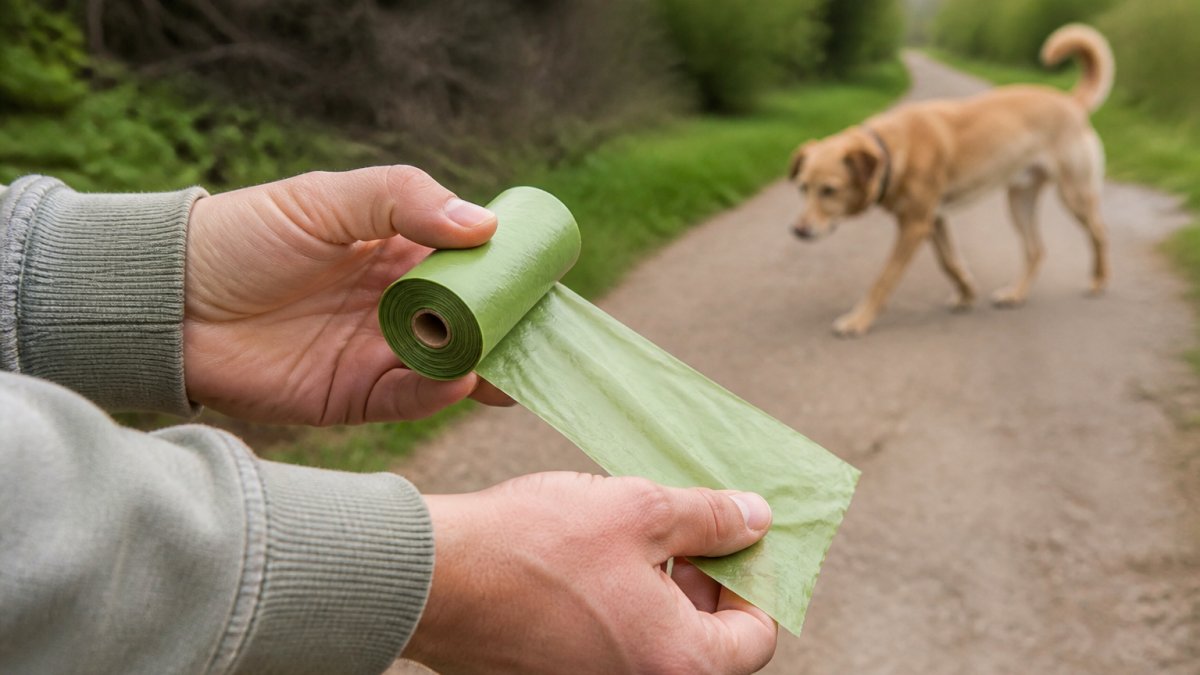
Bags come in rolls, boxes, or individual packs. Rolls are the most economical format for bulk buyers: compact, easy to dispense, and cheaper per unit than boxed bags.
Standard rolls hold 15 to 30 bags. Our Dog Poop Bag - Degradable Garbage Bag with cute paw designs comes in 4-roll (72 bags) or 8-roll (144 bags) packs for flexible order sizes.

Flat-packed rolls save shipping costs and storage space versus boxed bags, dispense easily from standard lead-clip dispensers, and suit bulk buyers managing multiple boxes or locations.
Calculating true cost when buying wholesale
Cost per bag is the only metric that matters for bulk comparison. Here's how to calculate it:
| Pack Format | Total Bags | Price | Cost Per Bag |
|---|---|---|---|
| Single box (extra-thick, premium) | 60 | £16.99 | £0.28 |
| 4-roll bulk pack (degradable) | 72 | £19.99 | £0.28 |
| 8-roll bulk pack (degradable) | 144 | £35.99 | £0.25 |
The 8-roll pack delivers the lowest per-unit cost, but commits you to 144 bags, storage space and a disposal plan required.
Bulk pricing is only valuable if you use the bags before they degrade in storage.
Consider your actual usage rate: a smaller bulk pack can beat the largest size if it prevents waste from expired inventory.
Disposal and Storage: Practical Bulk Buyer Guidance
Buying compostable dog waste bags bulk only makes sense with a disposal plan. Without one, you're storing plastic that will eventually end up in landfill.
Where and how to dispose of compostable bags
Industrial composting facilities are the only reliable disposal method for certified compostable bags.
Some facilities accept pet waste; others don't.
Home composting works if you're patient: bags degrade over 12-24 months in a well-maintained heap, though not to the 180-day standard.
Without access to composting, standard plastic bags are honestly the better choice.
Shelf life and storage conditions for bulk stock
Compostable bags degrade faster than standard plastic, especially in heat and sunlight.
Store bulk orders cool, dry, and out of direct sunlight, a garage or cupboard, not a car boot or garden shed.
Check the manufacture date on bulk orders.
Rotate stock by date: use older bags first and store new stock for later, so nothing degrades before use.
Common Mistakes to Avoid When Buying in Bulk
Bulk buying is efficient only if you avoid these pitfalls.
Overestimating usage. People consistently underestimate how long a large quantity lasts, a 500-bag order seems economical until it sits in your garage for two years. Track actual usage before committing.
Ignoring storage space. Bulk orders need dedicated storage; bags in damp basements or hot sheds degrade faster.
Skipping the disposal plan. Compostable bags only deliver environmental benefit if you can actually compost them.
Prioritising price over durability. The cheapest compostable bags often tear mid-walk, negating the environmental benefit.
Forgetting shelf life. Compostable bags degrade in storage; a bulk order made 6 months ago has half its shelf life left. Calculate how long you'll actually use the stock before it degrades.
At Doggo Shop, we're committed to helping you make choices that work for your dog and your values. Our Eco-Friendly Dog Poop Bags - Leak-Proof & Extra Thick deliver the durability you need, with every order supporting rescue dogs in need. Explore our composting guidance article for deeper insight into disposal methods and facilities available to you.
Frequently Asked Questions
Are compostable dog waste bags suitable for home composting?
Most compostable dog waste bags are certified for industrial composting, which reaches temperatures of 58°C or higher and requires specific microbial conditions. Home composting typically doesn't reach these temperatures or maintain the right environment. Check the bag's certification label (EN 13432 indicates industrial composting). Some bags may break down in home compost over time, but disposal at a commercial composting facility ensures complete breakdown without microplastic residue. Always verify the manufacturer's guidance before adding bags to your home compost bin.
How do I calculate the true cost per bag when buying compostable dog waste bags in bulk?
Divide the total pack price by the total number of bags. For example, if a bulk pack costs £9.99 and contains 72 bags, the cost per bag is approximately £0.14. Compare this across different pack sizes and brands, as larger bulk quantities often lower the per-bag price significantly. Consider also the bag's thickness and durability, a slightly more expensive bag that doesn't tear may offer better value than a cheaper alternative that requires two bags per use. Factor in delivery costs if ordering online to get the true total cost.
What's the difference between biodegradable and compostable dog poo bags?
Biodegradable bags break down over time through natural processes like oxidation and microbial action, but may leave microplastics or take years to fully decompose. Compostable bags are certified (usually EN 13432) to break down completely within specific timeframes under controlled composting conditions, typically 6 months in industrial facilities, without toxic residue. Compostable is a stricter standard and better for the environment. When buying in bulk, verify the certification on the packaging to ensure you're getting true compostable bags, not just biodegradable alternatives.
Do stronger, thicker dog waste bags justify the higher cost when buying bulk?
Yes, if you're buying in bulk. Extra-thick bags (typically 25 microns or higher) resist punctures and leaks better, meaning you'll use fewer bags per walk and avoid messes. Over a year of daily use, the cost difference per bag is minimal, but the durability saves money overall. Thicker bags also provide better odour control and easier handling. When calculating bulk cost, compare bags of similar thickness across suppliers. A slightly higher per-bag price for durability often beats frequent replacement of cheaper, thinner alternatives.


Leave a comment