


Why Rescue Dogs Need Routine & Comfort
Table of Contents
- Why Rescue Dogs Need Routine and Comfort
- Understanding the 3-3-3 Rule for Rescue Dogs
- Recognising Signs of Anxiety in Rescue Dogs
- Creating a Daily Routine for Dogs: A Structured Approach
- Building a Safe Space for Decompression
- The Role of Patience and Consistency in Behavioural Adjustment
- Managing Stress and Anxiety Through Positive Reinforcement
- Conclusion
Last Updated: August 10, 2026
Why Rescue Dogs Need Routine and Comfort
Rescue dogs arrive carrying invisible baggage. A shelter strips away predictability. Then suddenly, they're in your space, and everything is unfamiliar again.
This is why rescue dogs need routine and comfort. It's not about pampering, it's about survival. When a dog's nervous system is in constant alert mode, learning becomes impossible and trust cannot form. Behavioural problems emerge not from bad temperament, but from unmanaged stress.
Below, we'll walk you through exactly how to build that environment, from understanding the science behind why rescue dogs struggle, to creating daily routines that work, to selecting comfort products that support decompression.
Understanding the 3-3-3 Rule for Rescue Dogs
The 3-3-3 rule describes how long true adjustment takes: three days to decompress from immediate shock, three weeks to understand the new environment and routine, and three months to settle into genuine trust and behavioural stability.
This framework matters because it sets realistic expectations. Many rescue owners expect their dog to be "fine" within a week. When the dog is still anxious or withdrawn after seven days, they assume something is wrong with the dog. In reality, the dog is exactly where it should be in the adjustment process.
Week One: The Shutdown Phase
The first week is called the shutdown phase. Your rescue dog is overwhelmed by sensory input, new house, new people, new sounds, and unfamiliar routines. Many rescue dogs respond by withdrawing almost completely, hiding or refusing food.
This is not depression or illness, it's a protective response. The dog's nervous system has shifted into survival mode. Cortisol and adrenaline are elevated as the dog conserves energy and assesses threat levels.
During this week, minimise additional stress. Keep the house quiet, limit visitors, establish a basic feeding schedule, and don't force interaction. The dog needs space to observe and understand that this new place is safe.
Weeks Two to Three: Decompression Begins
By week two, some dogs begin to emerge from shutdown. They may show curiosity about their surroundings and eat more reliably, but anxiety is still present. Introduce gentle structure: a consistent morning walk at the same time, meals at predictable hours, and a designated safe space where the dog can retreat.
Behavioural issues often surface during this window, accidents indoors, chewing, or fear-based reactivity. These aren't signs of failure. They're signs the dog is beginning to relax enough to show its real emotional state. The anxiety suppressed during shutdown is now visible.
Months Two and Three: Building Trust
By month two, genuine adjustment begins. The dog understands the routine and knows when walks happen, when food arrives, and where the safe space is. This predictability allows the nervous system to downregulate and cortisol levels to stabilise.
Trust builds slowly during this phase. The dog starts to show personality, seeks affection more openly, and begins to understand house rules. Accidents decrease and destructive behaviour often resolves simply because the dog is less anxious. By month three, most rescue dogs have moved from survival mode into genuine comfort.
Recognising Signs of Anxiety in Rescue Dogs
Anxiety in rescue dogs shows up in specific, recognisable ways. Physical signs include trembling, excessive panting, a tucked tail, ears back, and a low posture. Some rescue dogs develop stress-related diarrhoea or lose appetite.
Behavioural signs are equally clear: destructive chewing when you leave signals separation anxiety, excessive barking indicates hypervigilance, and pacing or constant following show the dog hasn't established emotional security. House-training accidents despite previous success point to anxiety rather than lack of training.
The key distinction is context. A dog that has an accident only when left alone is showing anxiety-driven behaviour. Understanding these signs helps you avoid misinterpreting anxiety as disobedience. A rescue dog showing these behaviours isn't being difficult, it's communicating that its nervous system is dysregulated. The solution is environmental modification and routine, not punishment.
Creating a Daily Routine for Dogs: A Structured Approach
A daily routine for dogs is the foundation of emotional security. It's not about rigid scheduling for its own sake, it's about creating predictability so the dog's brain can stop scanning for threats and start relaxing.
The most effective routines follow a consistent pattern: wake time, morning activity, feeding, midday stimulus, afternoon activity, evening wind-down, and sleep. The specific times matter less than the consistency. A dog fed at 7 a.m. every morning learns to expect food at 7 a.m. This anticipation is calming because it removes uncertainty.
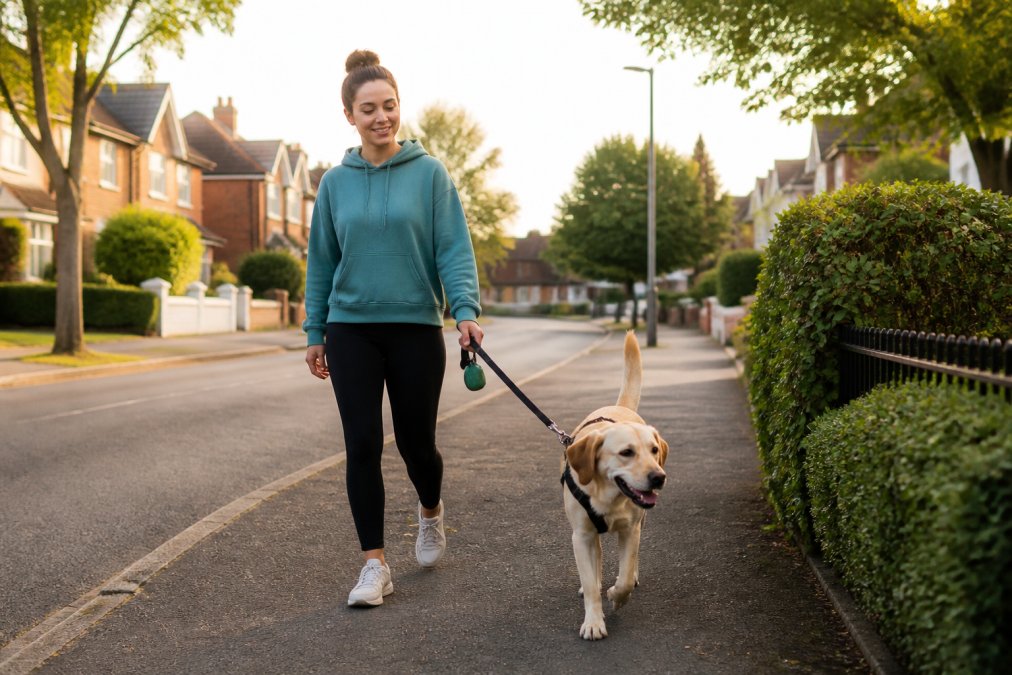
Morning Rituals for Predictability
Start at the same time every morning, even on weekends. This consistency is more important than the specific hour. A dog that wakes at 7 a.m. every day develops a stable circadian rhythm.
The morning routine should include a toilet break immediately after waking, followed by a walk or outdoor time. The walk provides physical exercise, mental stimulation, and a predictable activity the dog learns to anticipate. After the morning walk, feeding time should follow. A dog that is walked, then fed, then has quiet time learns this sequence becomes automatic.
Midday Stability and Environmental Enrichment
The midday period is when many rescue dogs struggle most, particularly if you work outside the home. Without appropriate enrichment, anxiety and destructive behaviour emerge.
Environmental enrichment doesn't require expensive toys. A puzzle feeder that takes 20 minutes to work through provides both mental engagement and extended activity. A long-lasting chew gives the dog something to focus on besides anxiety. For dogs struggling with separation anxiety, interactive toys that provide unpredictable rewards hold attention longer than static toys.
The goal is to create a midday environment where the dog is engaged rather than anxious. A busy dog is a calm dog.
Evening Wind-Down and Calm Downtime
The evening routine should transition the dog from activity to calm. Begin the wind-down 1-2 hours before bedtime by reducing stimulation, dimming lighting, and avoiding intense play.
A comfortable bed becomes crucial during this phase. The dog should have a designated sleeping space, a crate, dog bed, or specific room. This space should be associated with safety and rest. Products like the Plush Donut Dog Bed from Doggo Shop provide the soft, enclosed space that mimics the den-like security rescue dogs often need.

Bedtime should be consistent. A dog that goes to bed at 10 p.m. every night develops a stable sleep schedule, which helps regulate cortisol levels and supports overall emotional stability.
Building a Safe Space for Decompression
A safe space is the physical anchor of your rescue dog's emotional security. It's a designated area where the dog can retreat when overwhelmed, not a punishment space, but a sanctuary.
The ideal safe space is quiet, away from household traffic, and contains familiar, comforting items. A crate with the door left open works well for many dogs; the enclosed space provides security. A dedicated room corner works for others. The specifics matter less than consistency.

Stock the safe space with comfort items. A soft bed is essential, the Cozy Dog Sofa Bed from Doggo Shop provides the warmth and cushioning that helps anxious dogs settle. Some dogs benefit from a noise-reduction product like the Noise Reduction Dog Hoodie to mask external sounds that trigger anxiety.

The safe space should be accessible at all times. Never force the dog into this space as punishment. Over time, the dog will seek out this space voluntarily when overwhelmed, which is exactly the goal.
The Role of Patience and Consistency in Behavioural Adjustment
Patience and consistency are neurobiological necessities. A dog's brain learns through repetition. The more times a routine repeats, the more deeply the pattern becomes embedded in the nervous system.
Consistency means following through even when you're tired or busy. It means walking at the same time when you'd rather sleep in. Every deviation teaches the dog that the schedule is unpredictable, which reactivates anxiety.
Patience means accepting that adjustment takes the full three months, sometimes longer. A dog that has been anxious for months won't become perfectly calm in three weeks. Progress isn't linear. The combination of patience and consistency creates the conditions for genuine behavioural change. The dog experiences the routine so many times that it becomes automatic, and anxiety gradually releases its grip.
Managing Stress and Anxiety Through Positive Reinforcement
Positive reinforcement is the most effective tool for managing anxiety in rescue dogs. When a rescue dog shows calm behaviour, sitting quietly, resting in the safe space, walking calmly on lead, that behaviour should be immediately reinforced with a treat, praise, or gentle petting.
Over time, the dog begins to choose calm behaviour more frequently because it's been rewarded. This teaches the nervous system that calm is safe and productive. Positive reinforcement also builds confidence in anxious dogs by teaching them that humans are predictable and safe.
Avoid punishment-based approaches entirely. A dog punished for anxiety-driven behaviour doesn't learn to be less anxious, it learns to hide the anxiety. Instead, focus on rewarding the behaviour you want to see more of. The anxious behaviour will naturally decrease as the dog learns that calm is more rewarding.
Bringing a rescue dog home is a commitment to patience and structure. Your job is to create an environment so predictable, so safe, and so consistent that the dog's nervous system can finally relax.
This is where Doggo Shop comes in. The right comfort products, a quality bed, noise-reduction accessories, interactive enrichment toys, support the routine you're building. Products like the Cozy Winter Washable Pet Kennel Bed provide the physical comfort that helps anxious dogs settle. When combined with consistent routine and patient handling, these tools accelerate the decompression process. Start with the 3-3-3 timeline in mind, build your daily structure, and give your rescue dog the time it needs to become the dog it was meant to be.

| Timeline | Phase | Key Focus | Expected Signs |
|---|---|---|---|
| Days 1-7 | Shutdown | Minimise stress, establish basic routine | Withdrawal, hiding, minimal eating |
| Weeks 2-3 | Decompression | Introduce structure, create safe space | Curiosity emerges, anxiety surfaces, accidents possible |
| Months 2-3 | Trust Building | Reinforce routine, reward calm behaviour | Personality shows, routine understood, anxiety decreases |
Frequently Asked Questions
What is the 3-3-3 rule for rescue dogs?
The 3-3-3 rule describes the timeline for rescue dogs to adjust to their new home: 3 days to decompress and shut down, 3 weeks to begin showing their personality, and 3 months to fully settle in and feel emotionally secure. This framework helps owners understand that anxiety and fear-based behaviour in the first weeks is normal and temporary. Understanding this rule reduces frustration and builds patience during the transition period.
How long does it take for a rescue dog to feel comfortable in a new home?
Most rescue dogs need between 6 weeks and 3 months to feel genuinely comfortable, though some take longer depending on their background. The initial 3 weeks are critical, during this time, establish predictability through consistent routines, a safe space, and minimal stress. After 3 months, many dogs show significant behavioural adjustment and emotional security. Patience and a structured daily schedule accelerate this process considerably.
What are the signs of anxiety in rescue dogs?
Common signs include excessive barking, destructive behaviour, hiding, trembling, loss of appetite, or reluctance to interact. Some rescue dogs show stress-free behaviour only in their safe space initially. Elevated cortisol levels from chronic stress can cause these reactions. If your dog displays these signs, maintain consistency, avoid forcing interaction, and create a quiet environment. Products like calming beds and noise-reduction accessories can help reduce anxiety during the settling-in period.
Why is a consistent daily routine so important for rescue dogs?
Rescue dogs have experienced unpredictability and loss, so a structured routine provides emotional security and reduces cortisol levels. Predictable feeding times, walks, play, and rest periods help dogs understand what to expect, lowering fear-based behaviour. Consistency also aids potty training and helps establish boundaries. A reliable schedule accelerates the decompression phase and builds trust faster than an unstructured environment.
This article was written using GrandRanker


Leave a comment