


Why Donate to Pet Rescue Charities
Table of Contents
- The Impact of Your Donation
- How Funds Are Utilised in Pet Rescue
- Medical Treatment and Veterinary Care
- What Animal Shelters Need Most
- How to Help Animal Shelters Without Money
- Tax Efficient Giving to Animal Charities
- Supporting Rehoming and Adoption Efforts
- Monthly Giving: Building Sustainable Support
Last Updated: August 11, 2026
The Impact of Your Donation
When you donate to pet rescue charities, your money funds real, measurable interventions that change animals' lives. A single donation might cover emergency surgery for a dog hit by a car, or provide months of food and shelter for a cat waiting for adoption.
Charities like the RSPCA, the UK's largest animal welfare organisation operate rescue teams, veterinary facilities, and adoption centres across the country. The RSPCA reports that 81 pence from every pound donated goes directly to animal care and rehoming, meaning your contribution has minimal overhead friction.
At Doggo Shop, we understand this impact intimately. We donate 10% of every order to rescue dogs and cats in need worldwide. A rescued dog successfully rehomed reduces pressure on shelter resources, freeing capacity and funding for the next animal in crisis. Your contribution becomes part of a system that prevents suffering before it starts.
How Funds Are Utilised in Pet Rescue
Pet rescue charities operate across multiple critical areas. Shelter operations form the foundation, including rent, utilities, and staff wages. Medical care represents another significant allocation, rescued animals often arrive in poor health and need vaccinations, parasite treatments, dental work, and sometimes emergency surgery.
Behavioural rehabilitation is increasingly recognised as essential. Many rescue animals have experienced trauma or lack basic socialisation. Charities invest in trained behaviourists who prepare them for home life. Food and essential supplies form a continuous expense, whilst fundraising and administration enable the entire operation.
| Fund Allocation Area | Purpose | Impact |
|---|---|---|
| Shelter Operations | Facilities, utilities, staff wages | Provides safe housing for animals |
| Veterinary Care | Treatment, surgery, preventative medicine | Restores health and wellbeing |
| Behavioural Support | Training, rehabilitation, socialisation | Prepares animals for adoption |
| Food & Supplies | Nutrition, bedding, enrichment | Supports recovery and comfort |
| Fundraising & Admin | Donor management, compliance, coordination | Enables all other functions |
Medical Treatment and Veterinary Care
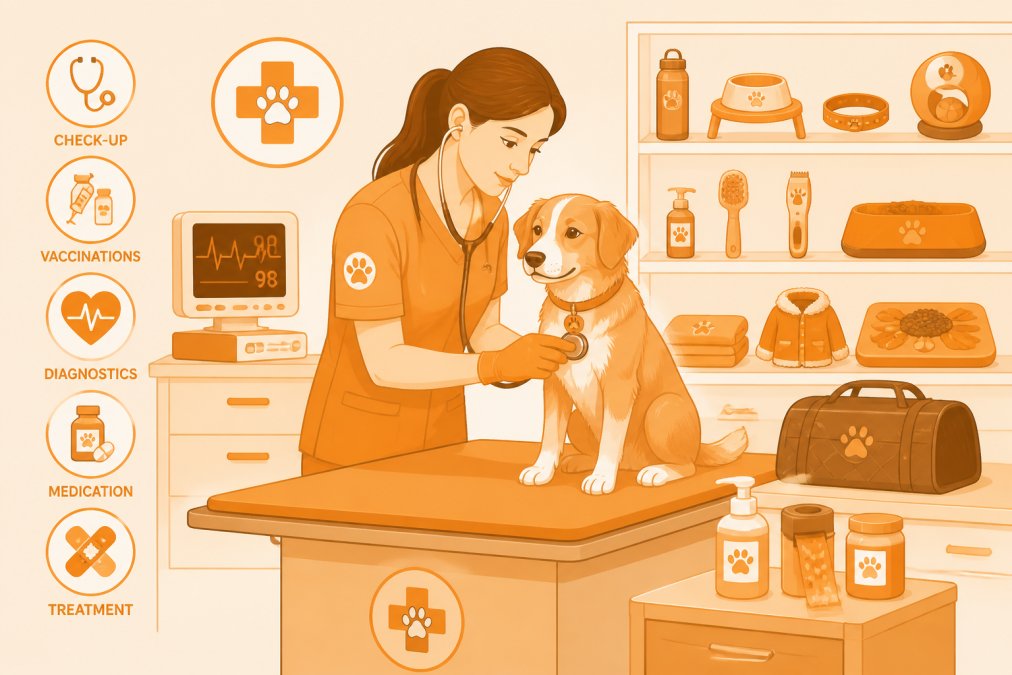
Veterinary care is often the most expensive function of pet rescue, and it's where donations create the most visible impact. Rescued animals frequently arrive with health problems ranging from treatable to life-threatening.
Emergency cases demand immediate intervention. A dog hit by a car needs surgery within hours. Without donor support, many animals would be euthanised not because they were beyond help, but because funds weren't available. Preventative medicine is equally important, every rescued animal receives vaccinations against diseases like parvovirus and feline enteritis, plus parasite treatments and dental care.
Spaying and neutering programmes deserve special mention. Charities like Cats Protection, which focuses on feline welfare and neutering prioritise surgical sterilisation because it prevents future generations of unwanted litters. A single female cat can produce dozens of kittens over her lifetime.
Specialist treatments sometimes become necessary. A dog with a broken leg needs orthopaedic surgery. A cat with feline leukaemia requires ongoing medication. Many charities provide follow-up treatment for newly adopted animals, ensuring the transition to home life goes smoothly.
What Animal Shelters Need Most
Beyond obvious supplies like food and bedding, shelters have specific needs that donors can address strategically.
Enrichment materials prevent behavioural problems during shelter stays. Toys, puzzle feeders, and activity materials cost relatively little but dramatically improve animal welfare and prepare animals for adoption. Cleaning and hygiene supplies protect against disease spread in close-quarters environments.
Staff training and development improve care quality. Shelters need behaviourists, veterinary technicians, and trained handlers. Professional development directly impacts animal outcomes. Transport and rescue equipment enables field operations, rescue teams that respond to animal cruelty reports, abandoned animals, or welfare concerns need vehicles, equipment, and fuel.
Adoption support materials help animals transition to homes. Adoption packs might include training guides, behavioural advice, or starter supplies, reducing adoption failures. Volunteer coordination systems keep operations running by enabling organisations to scale impact without proportional staff increases.
How to Help Animal Shelters Without Money
Financial donations are valuable, but money isn't the only resource shelters need. Many people can contribute meaningfully through non-monetary support.
Volunteering addresses staffing constraints directly. Walking dogs, socialising cats, cleaning facilities, or helping with admin work frees paid staff to focus on specialised tasks. Item donations address material needs efficiently, shelters maintain wish lists of needed supplies: blankets, toys, cleaning products, food, litter, and medical supplies.
Professional skills offer high-value support. Veterinarians, accountants, lawyers, and marketing professionals can provide pro bono work worth thousands of pounds. Foster care removes animals from shelter stress whilst freeing shelter space. Foster animals often show dramatic behavioural improvement, increasing adoption likelihood.
Social media advocacy amplifies charity messaging without cost. Fundraising participation generates revenue, organising a sponsored run, cake sale, or community event channels funds to shelters. Corporate partnerships create sustained support through employer matching programmes or paid volunteer days.
Tax Efficient Giving to Animal Charities
Understanding the tax implications of charitable giving helps you maximise the impact of your donation.
Gift Aid is the most straightforward mechanism. If you're a UK taxpayer, you can claim Gift Aid on donations to registered charities. This means the charity receives an additional 25% on top of your donation at no cost to you. A £100 donation becomes £125 in the charity's account.
Payroll giving offers tax relief at source. If your employer operates a payroll giving scheme, you can donate directly from your salary before tax is calculated. A £10 monthly donation might cost you only £8 after tax relief. Over a year, this creates meaningful savings.
Gift Aid on regular donations compounds over time. A £20 monthly donation becomes £25 monthly in the charity's account, generating £60 additional annual funding from Gift Aid alone. Over five years, this adds £300 to the charity's resources.
Gifts in wills provide significant tax benefits. If you leave money to a registered charity in your will, that gift is exempt from inheritance tax. Donations of shares and securities offer capital gains tax advantages, donating shares directly to a charity avoids capital gains tax on the appreciation.
Supporting Rehoming and Adoption Efforts
Rehoming is where rescue work reaches its ultimate goal: placing animals in permanent, loving homes. Donations directly enable the infrastructure that makes successful adoptions possible.
Adoption assessment processes require trained staff and time. Charities evaluate potential adopters to ensure compatibility, conducting home visits and matching animals thoughtfully. This process costs money but dramatically improves adoption success rates. Post-adoption support reduces returns and failures, many charities provide follow-up contact with new adopters, offering behavioural advice or addressing concerns.
Adoption events increase visibility and drive placements. Charities organise adoption days, partner with pet shops, or attend community events to showcase available animals. Adoption subsidies or reduced fees remove financial barriers for animals with special needs. Behavioural rehabilitation specifically prepares animals for adoption, transforming frightened animals into confident companions.
Sponsor-a-dog or sponsor-a-cat programmes create ongoing connections between donors and specific animals. Sponsors receive updates and photos throughout the animal's shelter stay and after adoption, creating emotional investment whilst funding care.

Monthly Giving: Building Sustainable Support
Monthly giving transforms animal welfare from a sporadic response to a sustainable commitment. Charities depend on predictable income to plan operations. A monthly donation of £15 provides £180 annual revenue that the charity can budget around, allowing long-term planning.
Monthly donors often increase their lifetime giving substantially. A person who commits to £10 monthly might donate £120 annually, whereas they might never have made a single £120 donation. Over five years, a modest monthly commitment generates £600 in total support.
Monthly giving reduces administrative costs for charities. Processing one standing order costs far less than processing 12 individual donations. For donors, monthly giving provides psychological satisfaction and alignment with personal values. Payment flexibility accommodates different financial situations, donors can set amounts they can genuinely sustain, pausing or adjusting if circumstances change.
Tax efficiency compounds with monthly giving. If you claim Gift Aid on monthly donations, the cumulative tax relief becomes significant. A £20 monthly donation with Gift Aid effectively becomes £25 monthly in the charity's account, generating £60 annual tax relief.
Many charities offer incentives for monthly supporters, such as exclusive updates or event invitations. Starting a monthly donation requires minimal effort, most charities offer simple online setup, direct debit, or card payment options.
The sustainability aspect addresses a fundamental challenge in animal welfare. Rescue work never ends. Monthly giving acknowledges this reality, creating a permanent funding stream that enables charities to operate indefinitely rather than relying on sporadic public generosity.
At Doggo Shop, we recognise that sustainable support for animal welfare requires both one-time purchases and ongoing commitment. Our donation model means every purchase contributes to rescue work, but we encourage customers to also consider direct monthly giving to their chosen charities.
Supporting pet rescue charities addresses one of the most pressing animal welfare challenges. Whether through financial donations, Gift Aid claims, volunteering, or monthly commitments, your contribution enables rescue work that transforms lives. By donating to pet rescue charities, you become part of the solution to animal abandonment, cruelty, and neglect. Start with Doggo Shop's commitment to rescue animals with every purchase, then explore direct donations to charities aligned with your values. Together, these contributions build the sustainable support system that rescue work requires.
Frequently Asked Questions
Why should people donate to pet rescue charities?
Donations fund life-saving veterinary care, emergency medical treatment, food, shelter, and rehabilitation programmes that rescue organisations cannot provide without public support. Every contribution directly helps vulnerable animals receive the care they need to recover and find loving homes. Pet rescue charities receive no government funding, so donor support is essential for their survival and growth.
How do donations help animal shelters?
Funds support essential operations including emergency medical treatment, behavioural rehabilitation, shelter maintenance, pet food banks, and staff training. Donations enable rescues to accept more animals in crisis, provide specialist care for traumatised pets, and invest in adoption programmes. Many charities use donations to run community outreach initiatives that prevent animal neglect before it starts.
What are the benefits of tax efficient giving to animal charities?
Gift Aid allows charities to claim an additional 25% from HMRC on your donation at no cost to you. If you pay higher-rate tax, you can claim relief on your tax return. Payroll giving through your employer is deducted before tax, reducing your taxable income. Regular monthly gifts often qualify for Gift Aid automatically, maximising the impact of your support for animal welfare.
How can I verify that a pet rescue charity is legitimate?
Check the Charity Commission register at register-of-charities.charitycommission.org.uk to confirm registration and view their latest accounts. Look for transparent impact reports showing how funds are spent, the percentage going directly to animal care, and specific outcomes like numbers rehomed or treated. Established charities like RSPCA, Dogs Trust, and Cats Protection publish detailed annual reports demonstrating accountability and donor transparency.
This article was written using GrandRanker


Leave a comment