


Smart Feeders vs Manual Bowls: Which Suits Your Dog?
Table of Contents
- Smart Feeders vs Manual Feeding Bowls: Key Differences
- How to Portion Control Dog Food with Each Method
- Benefits of Scheduled Feeding for Pets
- Best Automatic Cat Feeders UK and Smart Options for Dogs
- Pros and Cons of Smart Feeders
- Pros and Cons of Manual Feeding Bowls
- Cost Comparison and Long-Term Value
- Which Feeding Method Should You Choose?
Last Updated: August 6, 2026
Smart Feeders vs Manual Feeding Bowls: Key Differences
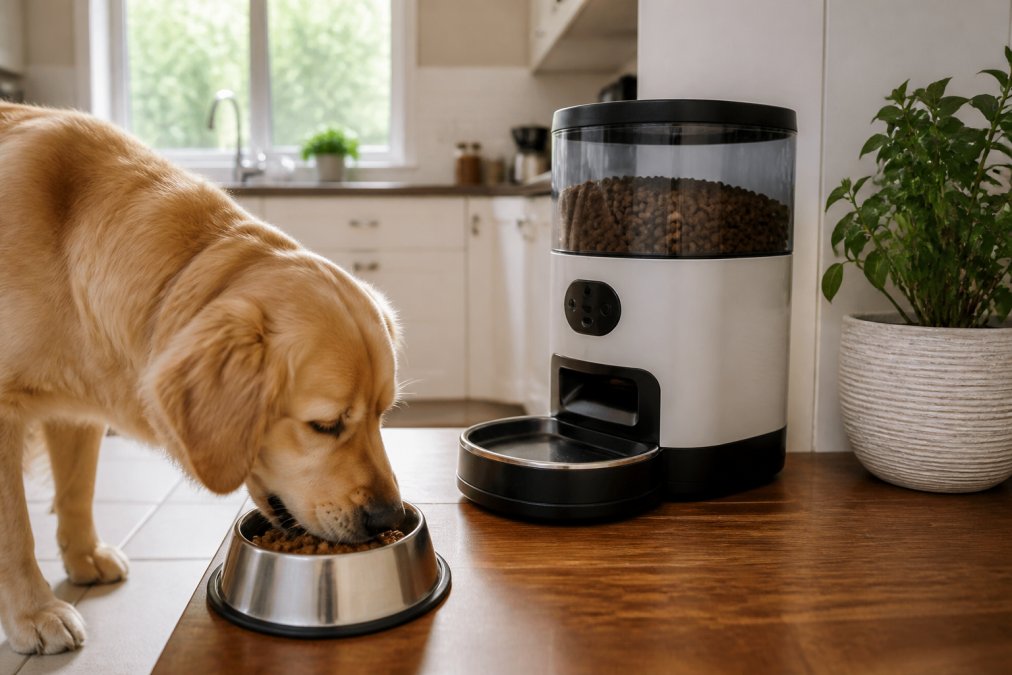
Automatic feeders dispense meals on a schedule you set, while manual bowls require you to fill them by hand. This simple distinction masks a larger gap in how each method influences portion control, feeding consistency, and your dog's overall wellness.
Manual feeding bowls offer simplicity and direct control over every meal. Automatic feeders introduce scheduled dispensing and portion precision, with some models connecting to your smartphone for remote feeding. The real distinction emerges when you consider your lifestyle: manual bowls demand your physical presence, while automatic feeders remove that requirement entirely.
How to Portion Control Dog Food with Each Method
Manual bowls require consistent measurement. Most dog owners use a measuring cup or kitchen scale to dispense the correct amount based on their dog's weight and activity level. The advantage is flexibility: if your dog seems hungrier or you've increased exercise, you can adjust portions instantly.
Automatic feeders enforce portion precision. You program the exact amount and the machine dispenses it at scheduled times, with no guesswork or temptation to add extra. Many offer slow-feed options that dispense meals gradually over 15 minutes, aiding digestion for dogs prone to bloating or gulping.
The trade-off: once portions are set in an automatic feeder, you're committed to that schedule until you manually override it. For dogs requiring precise caloric management, automatic feeders win. For dogs with variable appetites, manual bowls offer more flexibility.
Benefits of Scheduled Feeding for Pets
Consistent feeding times regulate your dog's digestive system and develop predictable bathroom schedules, making housetraining easier. Scheduled feeding also supports weight management: dogs fed at set times eat what they need and stop, while free-feeding encourages grazing and overconsumption.
Behaviorally, scheduled feeding reduces food-related anxiety and food-guarding behavior, particularly important in multi-pet households. Automatic feeders excel here because they remove the variability of human scheduling. For dogs with health conditions like diabetes or kidney disease, scheduled feeding becomes medical necessity, and the precision of automatic feeders can be genuinely therapeutic.
Best Automatic Cat Feeders UK and Smart Options for Dogs
The Catit PIXI Smart Dry Food Feeder (£101.82 to £164.00) offers app-controlled scheduling with up to 12 meals per day, stainless steel dish, and 58-hour backup battery. It works best for owners wanting remote feeding capability and precise portion control.
The SureFeed Microchip Pet Feeder (around £94.98 to £114.99) recognizes your pet's microchip or RFID collar tag and opens only for that animal, solving multi-pet household food theft. It works with both wet and dry food but lacks remote control or app integration.
The PetSafe Healthy Pet Simply Feed (£123.77 to £182.99) schedules up to 12 meals daily with portions from 1/8 to 4 cups and includes a slow-feed option. It lacks smart connectivity but works reliably for most dogs and cats.
At Doggo Shop, we also stock the Smart Duck Feeder (£19.99), which turns mealtime into playtime by dispensing treats as your dog interacts with it, slowing eating speed and engaging your dog mentally. The Interactive Robot Treat Toy (£19.99) functions as a slow feeder with an intelligent balance mechanism that releases treats during play.

Pros and Cons of Smart Feeders
Pros: Consistency regulates digestion and supports weight management. Remote feeding eliminates the need for pet sitters to handle meals. Portion precision prevents accidental overfeeding. Slow-feed options reduce eating speed and prevent bloating, particularly valuable for deep-chested breeds prone to gastric dilatation-volvulus (GDV).
Cons: Mechanical reliability is a real concern, feeders can jam, motors can fail, and electronic components can malfunction. Wi-Fi dependency creates vulnerability if your internet goes down. Most automatic feeders work only with dry kibble, making them impractical for dogs needing wet food. Setup complexity and higher upfront cost (£99-164+) deter some owners. Automatic feeders can create dependency: if your dog becomes accustomed to meals arriving automatically, manual feeding during travel can cause stress.
Pros and Cons of Manual Feeding Bowls
Pros: Simplicity is the defining advantage, fill the bowl and your dog eats, with no batteries, Wi-Fi, or programming required. Flexibility lets you adjust portions or timing instantly. Lower cost (£10-25) means less financial risk. Manual bowls handle any food type without limitation. Direct observation of eating behavior helps you notice changes in appetite and catch signs of illness early.
Doggo Shop stocks excellent manual options like the Slow Feeder Dog Bowl (£14.99), which uses a textured surface to slow eating, and the Slow Feeder Dog Lick Bowl (£19.99), which turns feeding into enrichment.

Cons: Consistency depends entirely on your discipline. Portion control requires constant attention, making it easy to gradually increase portions without realizing it. Time investment matters for busy owners: if you work long hours, your dog waits for food. Manual bowls offer no protection against food theft in multi-pet households. Manual feeding requires you to be present or arrange coverage, creating logistical challenges for those who travel or work irregular hours.
Cost Comparison and Long-Term Value
A quality manual stainless steel bowl costs £10-25 and lasts indefinitely, totaling perhaps £50-100 over a dog's 10-12 year lifespan. Automatic feeders cost £99-164 upfront, roughly £15-30 per year if they last 5-7 years.
The hidden cost of manual feeding is pet care coordination. If you work full-time and your dog needs a midday meal, hiring a dog walker costs £15-25 per visit, adding £1,000+ annually. An automatic feeder eliminates that cost entirely.
For multi-pet households, selective feeders like the SureFeed pay for themselves within months if you're currently hiring pet sitters to manage separate feeding. The most cost-effective approach for many owners is hybrid: manual bowls for daily feeding when you're home, combined with an automatic feeder for days when you're away.
Which Feeding Method Should You Choose?
Choose automatic feeders if:
You work full-time or have irregular schedules. Your dog has health conditions requiring precise portion control. You have multiple pets with different dietary needs. You travel occasionally and want to minimize pet sitter coordination. Your dog gulps food too quickly or is prone to bloating.

Choose manual bowls if:
You're home consistently and can maintain a regular feeding schedule. Your dog eats wet food, raw diets, or prescription foods that automatic feeders can't handle. You need maximum flexibility to adjust portions based on daily appetite or activity level. Budget is a primary constraint. You prefer direct observation of your dog's eating behavior for health monitoring.
The hybrid approach works best for many owners:
Use a manual bowl for daily feeding when you're home, and add an automatic feeder or slow-feed enrichment toy for days when you're away. This combines the simplicity and flexibility of manual feeding with the consistency and convenience of automation.
At Doggo Shop, we stock both approaches because the best feeding method is the one that fits your specific situation and supports your dog's health and your lifestyle. Choose based on what your situation actually requires. Every purchase supports rescue dogs in need worldwide, so you're investing in your own dog's wellbeing while making a difference for animals in rescue. SHOP NOW to find the feeding solution that works for your family.
Frequently Asked Questions
Are smart pet feeders worth the money?
Smart feeders offer value if you need portion control, consistent feeding schedules, or manage multiple pets with different diets. They typically cost £100-£180 upfront but can prevent obesity-related vet bills and reduce food waste. For busy professionals or those managing feline obesity, the investment pays dividends through better dietary management and convenience. Manual bowls cost less initially but require daily discipline and don't offer the same level of control over caloric intake.
Do automatic feeders help with pet weight management?
Yes. Automatic feeders excel at weight management by dispensing precise portions at consistent meal times, preventing overeating and uncontrolled snacking. This controlled feeding schedule supports dietary management and helps monitor your pet's caloric intake accurately. For dogs prone to bloating or cats at risk of feline obesity, timed dispensing prevents the gulping and overfeeding that manual bowls can't always prevent. Combining portion accuracy with scheduled feeding creates the ideal environment for sustainable weight loss.
Can smart feeders handle both wet and dry food?
Most smart feeders handle dry kibble only. Wet food spoils quickly in automated dispensers and can jam mechanical systems. If your pet needs wet food, consider manual bowls or hybrid approaches: use an automatic feeder for dry portions and manually serve wet food at set times. Some smart options like the SureFeed Microchip Feeder have sealed bowls that preserve wet food freshness better, though they still require manual refilling.
What are the main disadvantages of automatic pet feeders?
Smart feeders depend on reliable power and Wi-Fi connectivity for app-controlled features. Battery backup helps during outages, but mechanical failures can occur. They're unsuitable for wet food, require regular cleaning to prevent food staleness, and some pets experience anxiety or confusion with automated dispensing. Initial costs are higher than manual bowls, and you'll need to troubleshoot connectivity issues occasionally. For multi-pet households without selective feeders, they offer no advantage over manual bowls.
How do I choose between a smart feeder and manual bowl for my dog?
Choose a smart feeder if you're a busy professional needing consistent meal times, managing your dog's weight, or controlling portions precisely. Choose manual bowls if you prefer hands-on feeding, have a single pet without dietary restrictions, or want zero maintenance. Consider your lifestyle: urban apartment dwellers benefit from automation and portion control, while outdoor enthusiasts may prefer portable manual options. Multi-pet households benefit from selective smart feeders that prevent food stealing, whereas single-pet owners with flexible schedules do fine with traditional bowls.
This article was written using GrandRanker


Leave a comment