


Puppy Biting vs Aggression: Key Signs
Table of Contents
- Normal Puppy Play Biting vs Aggressive Behaviour
- Body Language Indicators: Reading Your Puppy's Signals
- Teething, Nipping, and Bite Inhibition
- How to Stop Puppy Biting: Redirection and Training
- Signs of Resource Guarding in Puppies
- When to See a Dog Behaviourist
- Managing Puppy Biting: Tools and Strategies
- Frequently Asked Questions
Last Updated: September 30, 2026
Normal Puppy Play Biting vs Aggressive Behaviour
Understanding puppy biting vs aggressive behavior can feel murky when you're dealing with a sharp-teethed pup. But here's what matters: most puppies that bite are simply exploring the world with their mouths, not showing signs of aggression. Understanding this distinction changes how you respond and whether you need professional help.
What Normal Play Biting Looks Like
Normal play biting is soft, inhibited, and part of how puppies learn social boundaries. A puppy engaged in play will have a relaxed body posture, wagging tail, and playful facial expression. Their bites are exploratory rather than forceful, and they'll respond immediately when you signal discomfort by yelping or stopping play.
The key indicator is context. Play biting happens during games, social interaction, or when your puppy is excited and energised. It's not accompanied by growling, stiff posture, or sustained pressure. Most puppies naturally develop bite inhibition as they grow, especially when they interact with other puppies who teach them how hard is too hard through their own reactions.
The Overtired Puppy Phenomenon
One of the most overlooked causes of intense puppy biting is simple exhaustion. An overtired puppy becomes overstimulated and may bite frantically, seemingly out of nowhere. Their eyes glaze slightly, they move erratically, and their bites become more frequent and harder. This isn't aggression, it's a sign your puppy needs sleep.
Many owners mistake this for a behavioural problem and begin correcting it when the real solution is a nap. A puppy that's been awake for three or four hours straight will often need a structured rest period. After sleep, the same puppy that was biting intensely will be calm and manageable. Watch for signs of tiredness: yawning, zoomies, difficulty focusing, and increasingly mouthy behaviour. When you see this pattern, crate rest or quiet time often resolves the issue entirely.
Body Language Indicators: Reading Your Puppy's Signals
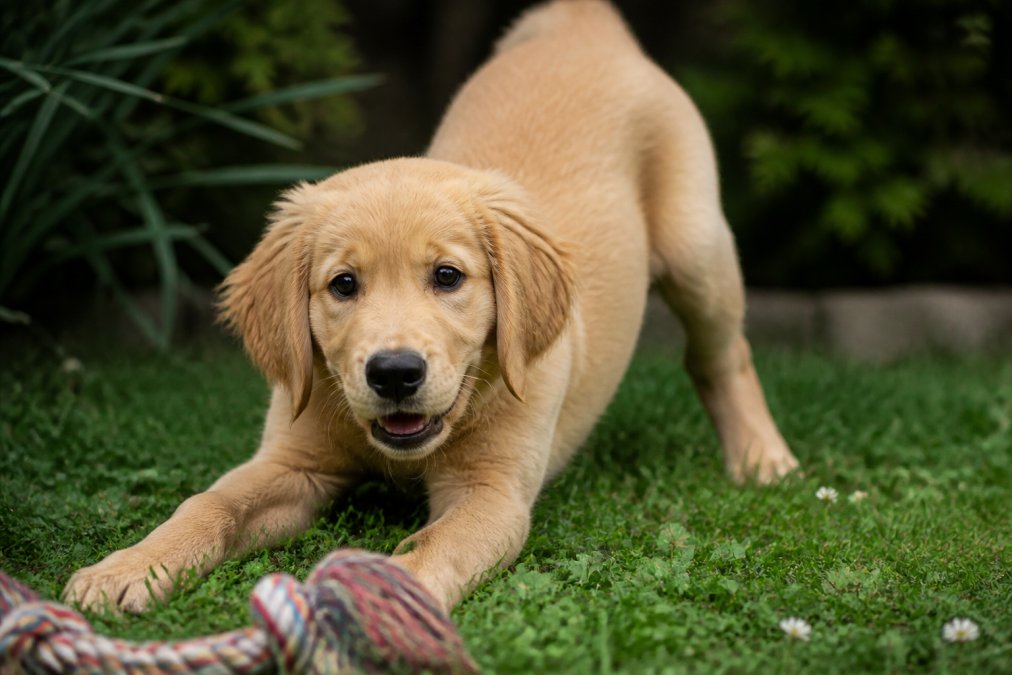
Learning to read your puppy's body language is the fastest way to distinguish play from genuine aggression. Rather than relying on gut feeling, use this structured checklist to assess what your puppy is actually communicating. Every signal matters: ear position, eye contact, muscle tension, and tail carriage all tell a story.
Play Biting Body Language Checklist
When your puppy is in play mode, look for this cluster of signals:
Eyes: Soft, bright, and blinking normally. You should not see the whites of the eyes (whale eye). The gaze is relaxed, not fixed or intense.
Mouth: Slightly open, often appearing to smile. Lips are relaxed, not pulled back tightly. Bites are quick nips, not sustained pressure. No visible tension around the muzzle.
Ears: Relaxed or naturally forward, not pinned back against the head. They move fluidly in response to sounds and social cues.
Body posture: Loose and bouncy. The play bow, front legs stretched forward, rear end elevated, is the classic signal. Muscles appear supple, not rigid.
Tail: Wagging freely and loosely, not held stiffly. The entire rear end may wiggle with excitement.
Movement: Frequent breaks in contact. Your puppy runs away, invites you back in, pauses to pant, then re-engages. This on-off pattern is characteristic of play.
Overall tension: None. Your puppy's shoulders, neck, and hindquarters are relaxed. There is no visible muscle tension or stiffness anywhere on the body.
Genuine Aggression Body Language Checklist
True aggression presents a distinctly different profile. If you observe this cluster of signals, take it seriously:
Eyes: Hard, intense, and unblinking. Whale eye is present, you can see the whites of the eyes, especially at the corners. The stare is fixed on the target.
Mouth: Closed or pulled back in a snarl, exposing teeth. If the mouth is open, the jaw is rigid and the bite carries sustained pressure rather than quick nips. Lips are tense and pulled tight.
Ears: Pinned back against the head, or rigidly forward in an intense, unnatural position. They do not move fluidly.
Body posture: Stiff and tense throughout. The spine appears rigid. The puppy may lean forward slightly, as if preparing to lunge. There is no bouncy, loose quality to movement.
Tail: Held stiffly, either tucked tightly between the legs or held high and rigid. It does not wag freely. A slow, stiff wag (different from a loose, happy wag) can also indicate tension.
Thick Tire-inspired Durable Dog Chew →
Hackles: Raised along the spine and shoulders, creating a ridge of raised fur. This is a sign of high arousal and threat.
Movement: No breaks in engagement. Your puppy does not invite play or step back. Instead, they maintain focus on the target, advance rather than retreat, and show no interest in pausing or disengaging.
Growling or snapping: Present without play context. The vocalisation is low and sustained, not playful or exploratory.
The Critical Difference: Context and Consistency
A single signal in isolation is not diagnostic. A puppy might have a stiff tail due to excitement, or pinned ears due to uncertainty rather than aggression. The key is looking for a cluster of signals that appear together and persist across multiple interactions.
Play biting signals are loose, variable, and interrupted by breaks. Aggressive signals are tight, consistent, and sustained. If you observe the aggression checklist appearing regularly, not just once during a scary moment, consult a veterinary behaviourist. If you see mostly play signals with occasional stiff moments (which often indicate overstimulation or tiredness rather than true aggression), redirection and rest are your first tools.
Teething, Nipping, and Bite Inhibition
Teething is one of the most common reasons puppies bite intensely between three and six months of age. During this period, their baby teeth are being replaced by adult teeth, and their gums ache. Nipping and chewing become ways to relieve that discomfort. This is normal development, not a behavioural problem.
Bite inhibition, the ability to control the force of a bite, develops gradually through social feedback.
How to Stop Puppy Biting: Redirection and Training
Stopping puppy biting isn't about punishment; it's about redirecting that natural behaviour into appropriate channels and responding consistently in the moment. The most effective approach combines immediate post-bite de-escalation with redirection and structured training.
The Post-Bite Protocol: What to Do in the First 10 Seconds
Step 1: Stop all interaction instantly. The moment your puppy's teeth make contact with skin or clothes, cease play entirely. Do not continue the game, do not laugh, do not engage further. Silence and stillness are your first tools.
Redirection Techniques That Work
When your puppy bites your hand or clothes during play, the post-bite protocol above teaches them that biting people ends interaction. Redirection teaches them where biting is welcome.
Building Impulse Control Through Play
Impulse control develops through structured play and training. Teach a "drop it" command by offering a toy, letting your puppy grab it, then presenting a treat. When they release the toy for the treat, mark the behaviour with "yes" and reward immediately. Practise this repeatedly until your puppy understands that releasing on command leads to rewards.
Signs of Resource Guarding in Puppies
Resource guarding, where a puppy protects food, toys, or other items, is different from normal play biting and requires a different approach. A puppy showing resource guarding will stiffen when you approach their food bowl, growl or snap if you try to take a toy, or position their body over valued items.
When to See a Dog Behaviourist
Knowing when professional help is necessary prevents small issues from becoming serious ones. Consult a veterinary behaviourist if your puppy shows sustained aggression, fear-based biting that doesn't improve with redirection, or resource guarding that escalates despite your efforts.
Managing Puppy Biting: Tools and Strategies
Beyond toys and training, several strategies help manage biting during the developmental phase. Ensure your puppy gets adequate sleep, overtired puppies bite more. Establish a consistent daily routine with scheduled play, training, meals, and rest periods. This predictability reduces frustration-based biting.
Frequently Asked Questions
What's the difference between normal puppy biting and aggressive behaviour?
Normal puppy biting involves soft mouthing, play bows, and relaxed body language. The puppy shows bite inhibition and responds to redirection. Aggressive behaviour includes stiff posture, rigid muscles, whale eye (whites showing), sustained growling, and bites that don't release. Aggressive puppies rarely play bow and may snap or lunge without invitation. True aggression is rare in young puppies; most are simply learning through play and teething discomfort.
How can I tell if my puppy is growling in play or anger?
Play growling occurs alongside a relaxed body, play bow, and soft eyes. The puppy may pause and invite more interaction. Aggressive growling involves stiff posture, ears back or forward in a hard position, tense muscles, and sustained intensity without breaks. The puppy may not back down when you stop playing. If you're unsure, stop the interaction and observe: a playful puppy will seek engagement again, while an aggressive one may escalate or remain tense.
At what age does puppy biting usually peak?
Puppy biting typically peaks between 3 and 6 months when teething is most intense and play drive is high. Deciduous teeth are shedding and permanent teeth are erupting, causing significant gum discomfort. Providing appropriate chew toys like the Indestructible Dog Chew Bone Toy or Interactive Suction Cup Tug Toy can redirect this natural behaviour. Most puppies naturally reduce biting frequency as they mature and develop better impulse control, though consistent training accelerates this progress.
What signs indicate I should seek help from a dog behaviourist?
Consult a behaviourist if your puppy shows unprovoked lunging, sustained growling or snapping, resource guarding over food or toys, fear-based aggression, or bites that break skin. Also seek help if biting worsens despite consistent training, if your puppy shows predatory drift (stalking other pets), or if you notice escalating reactivity. A qualified behaviourist can assess whether behaviour is normal development or a genuine concern requiring intervention.
How can interactive toys help reduce puppy biting and aggression?
Interactive toys satisfy natural chewing instincts and redirect mouthing behaviour toward appropriate objects. Treat-dispensing toys like the Thick Tire-inspired Durable Dog Chew Toy encourage focused engagement and build impulse control. The Snuffle Mat engages problem-solving and foraging instincts, reducing overstimulation and boredom-driven biting. Toys with textured surfaces support dental health during teething. Rotating toys and supervising play prevents frustration and keeps puppies mentally stimulated, which directly reduces destructive and aggressive biting.


Leave a comment