


Premium Dog Essentials for Rescue Support: 2026 Guide
Table of Contents
- Why Rescue Dogs Need Premium Support
- Essential Items for New Rescue Dogs: A Complete Checklist
- Choosing Premium Dog Essentials for Rescue Support
- Ethical Pet Shopping UK: What to Look For
- How to Help Animal Shelters Through Shopping
- Budget-Friendly DIY Alternatives and Sustainability
- Post-Adoption Medical Checklist and Breed-Specific Needs
- Conclusion
- Frequently Asked Questions
Last Updated: September 24, 2026
Why Rescue Dogs Need Premium Support
Bringing home a rescue dog is one of the most rewarding things you can do, but the transition period asks a lot of both of you. A rescue dog is a dog rehomed after being surrendered, abandoned, or taken into shelter care, and it often arrives with an unknown history, disrupted routines, and heightened stress. This guide from Doggo Shop explains how the right premium dog essentials for rescue support make that settling-in period calmer for everyone.
Essential Items for New Rescue Dogs: A Complete Checklist
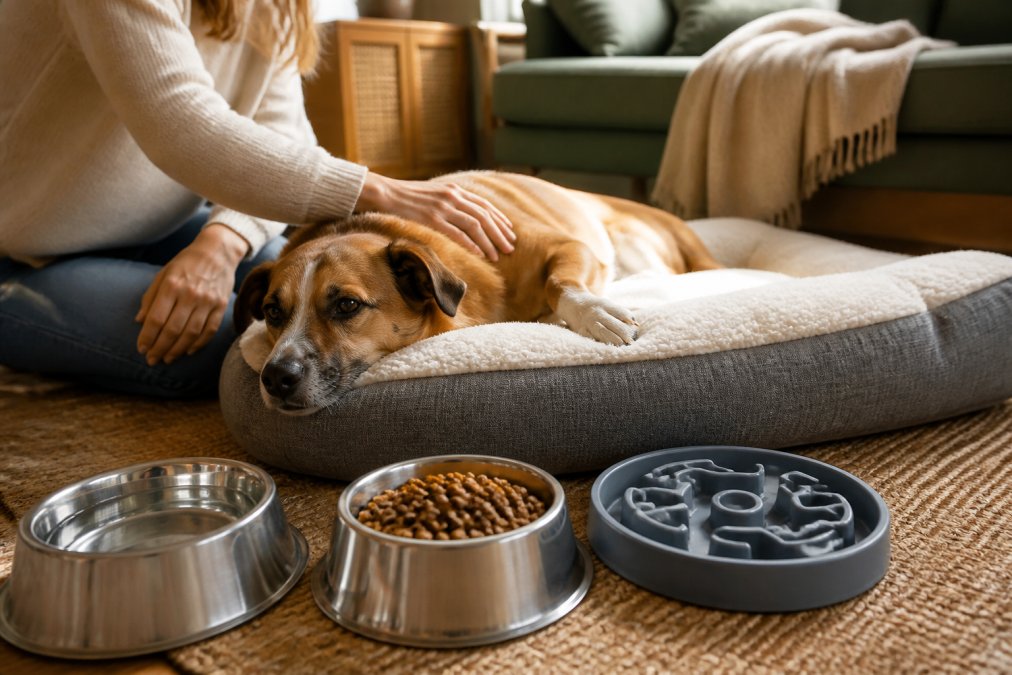
The essential items for new rescue dogs fall into three groups: comfort and bedding, feeding and enrichment, and safety equipment. Get these right before your dog arrives, and the first week goes far more smoothly.
Comfort and Bedding
A quiet bed in a low-traffic corner gives your dog somewhere to retreat when the house feels overwhelming. Look for a washable cover, because nerves and new surroundings sometimes mean accidents, and a bed you can't clean becomes a bed you throw away.
Feeding and Enrichment
Stainless steel bowls are the practical choice, since they don't hold odours and are easy to sterilise. Beyond the bowl, enrichment is where rescue support really pays off. Puzzle feeders, snuffle mats, and chew toys give a stressed dog something to do with its nervous energy.
Safety Equipment
A properly fitted harness, a secure lead, and a collar with up-to-date ID are non-negotiable. Newly adopted dogs can startle at traffic, other dogs, or unfamiliar sounds, and a harness that distributes pressure across the chest is far safer than a collar alone if your dog lunges.
| Category | What to Buy | Why It Matters |
|---|---|---|
| Comfort | Washable orthopaedic bed, crate or den | Gives a stressed dog a safe retreat |
| Feeding | Stainless steel bowls, treat jar | Durable, hygienic, supports training |
| Enrichment | Puzzle feeder, snuffle mat, chew toys | Redirects nervous energy |
| Safety | Fitted harness, secure lead, ID collar | Prevents escapes during the settling-in period |
| Hygiene | Paw washer, poop bags, cleaning products | Keeps the home calm and clean |
Choosing Premium Dog Essentials for Rescue Support
Choosing premium dog essentials for rescue support comes down to fit, durability, and how well each item reduces stress. The best gear is the gear that survives daily use and never becomes a source of anxiety for a dog that's still learning to trust you.
Harnesses, Leads, and Double-Leading
For the first few weeks, double-leading is the standard advice from most trainers and behaviourists. It means attaching two leads, or one lead plus a safety strap, to two separate points on your dog's harness. If a clip fails or your dog slips backwards out of a harness, you still have a connection.
Anxiety Relief and Calming Products
Calming pheromone diffusers, homeopathic support remedies, and weighted or snug-fitting coats all aim at the same goal: lowering arousal so your dog can rest. None of them replace training or routine, but many owners find they take the edge off during the first fortnight.
Ethical Pet Shopping UK: What to Look For
Ethical pet shopping in the UK means checking three things before you buy: where the product was made, what it's made from, and where the profit goes. A premium price tag is not proof of any of them, and the rescue-minded buyer is exactly the customer most likely to be misled by a well-designed product page.
Materials that survive a rescue dog
Start with materials. Nylon webbing, stainless steel, and pet-safe silicone are durable and easy to clean, which matters when a stressed dog is chewing, pawing and dragging gear through mud. Stainless steel bowls do not hold odours and can be sterilised, unlike some plastics that scratch and harbour bacteria. For waste bags, look for degradable or compostable options rather than standard plastic, since these break down far faster in landfill.

Verifying the charity claim
Then check the charity claim. Any retailer can print "supports rescue dogs" on a product page. Look for a named partner organisation, a stated percentage or amount, and ideally a published donation record. Vague language is a red flag. In the UK, only organisations registered with the Charity Commission (or the equivalent regulator in Scotland and Northern Ireland) can legally call themselves a charity, so a named partner can be checked against the public register in a couple of minutes.
Longevity as the quiet sustainability argument
Finally, consider longevity as an ethical issue in itself. A harness that lasts five years replaces five cheap harnesses, which means less packaging, fewer deliveries, and less waste. That is the sustainability case for buying well once, and it is the one most guides skip because it does not fit a shopping list. Repair before you replace: webbing straps can be re-stitched, buckles replaced, and bed covers washed rather than binned.
A quick pre-purchase checklist
- Is the material named, or just described as "premium"?
- Is the partner rescue organisation named and checkable on the public register?
- Is the donation a stated percentage or amount, or a vague promise?
- Can the item be repaired, or is it designed to be replaced?
- Is the packaging recyclable, and is the bag degradable?
How to Help Animal Shelters Through Shopping
You can help animal shelters through shopping by choosing retailers that commit a defined share of each order to rescue organisations, and by holding them to it. The mechanism is simple: your normal purchase funds food, veterinary care, and kennel costs for dogs still waiting for homes.
Budget-Friendly DIY Alternatives and Sustainability
Not every item on the checklist needs to be bought new. Budget-friendly DIY alternatives work well for enrichment, and they're often better for the environment too.
Post-Adoption Medical Checklist and Breed-Specific Needs
A post-adoption medical check within the first week is the single most important appointment you'll make. Rescue dogs often arrive with incomplete vaccination records, and a vet visit establishes a baseline before problems become expensive.
Work through this in order:
- Register with a vet and book a full health check
- Confirm vaccination status and book any boosters needed
- Check and update the microchip details to your name and address
- Ask about flea, tick, and worming treatment
- Book a neutering or spaying consultation if not already done
- Have teeth and ears checked, especially in older rescues
- Discuss a dental and joint plan if your dog is senior
Conclusion
The first month with a rescue dog is a test of patience as much as preparation, and the right kit quietly removes the small daily frustrations that slow a dog's confidence. Get the bedding, enrichment, and safety equipment right, keep the routine boring and predictable, and most dogs will meet you more than halfway.
Frequently Asked Questions
What is the 3-3-3 rule for rescue dogs?
The 3-3-3 rule is a guideline for understanding a rescue dog's adjustment period: 3 days to decompress and feel safe, 3 weeks to settle into routines and learn your household, and 3 months to fully bond and show their true personality. During the first 3 days, provide a quiet space, minimal handling, and essential items like a cozy bed and calming pheromones. By 3 weeks, introduce training and enrichment. At 3 months, your dog should feel at home.
What do I need to buy for a rescue dog?
Essential items for new rescue dogs include a comfortable bed, stainless steel or ceramic food and water bowls, a high-quality harness and leash (consider double-leading for safety), puzzle feeders, chew toys, poop bags, grooming supplies, and a crate or stair gate. For anxiety relief, calming pheromones and a snuffle mat help. Premium dog essentials for rescue support from Doggo Shop include an AirTag collar and LED light-up collar for safety, and a paw washer for muddy walks.
How can my purchase help support UK animal rescue charities?
Many retailers donate a portion of profits to animal welfare organisations. Doggo Shop donates 10% of every order to rescue dogs in need worldwide. When you buy premium dog essentials for rescue support, you directly contribute to helping shelters. Look for brands that clearly state their donation percentage and provide transparency about which charities they support. Ethical pet shopping UK means choosing products that align with your values and make a difference.
What should I look for when buying premium dog products?
Focus on durability, safety, and comfort. For power chewers, choose toys and leashes made from tough materials like nylon. Check for adjustable sizes on collars and harnesses. For tech products like smart feeders, ensure reliable Wi-Fi connectivity and backup power. Premium dog essentials for rescue support should also be easy to clean and suited to your dog's size and breed. Read reviews and verify the brand's ethical commitments.
How does ethical pet shopping impact animal welfare organisations?
Ethical pet shopping directs funds to animal welfare organisations through profit donations, supports sustainable materials, and promotes humane treatment. When you buy from brands that donate, you help provide food, medical care, and shelter for rescue animals. Doggo Shop's 10% donation per order supports rescue dogs in need worldwide. Choosing degradable poop bags and durable products also reduces environmental impact, aligning with ethical pet shopping UK principles.
What is the 7-7-7 rule for dogs?
The 7-7-7 rule is another adjustment guideline: 7 days for a rescue dog to start feeling safe, 7 weeks to learn your routine and build trust, and 7 months to fully integrate as a family member. During the first 7 days, keep things calm and provide a safe space with comfort items. In 7 weeks, establish a feeding routine and training. By 7 months, your dog should be well-adjusted and confident.
At Doggo Shop, we built our range around exactly this moment. Every order donates 10% to rescue dogs in need worldwide, and our catalogue covers the essentials on this checklist: interactive toys and smart feeders to keep a settling dog busy, and durable leads and cosy beds that hold up to daily use. Get started with Doggo Shop and give your rescue dog the calm, well-equipped start it deserves.


Leave a comment