


Portable Dog Travel Gear for Hiking: 10 Essentials
Table of Contents
- Quick Comparison: Portable Dog Travel Gear for Hiking
- Collapsible Food and Water Bowls
- Hydration Systems for the Trail
- Best Dog Backpacks for Hiking
- Are Dog Hiking Boots Worth It for Rocky Terrain?
- Safety and Visibility Accessories
- Dog Hiking First Aid Kit Essentials
- Waste Management and Trail Etiquette
- Frequently Asked Questions
Last Updated: September 26, 2026
Quick Comparison: Portable Dog Travel Gear for Hiking
The right portable dog travel gear for hiking comes down to four things: hydration, food, restraint, and safety. Get those wrong and a good walk turns into a long slog back to the car. This guide from Doggo Shop covers essentials we would pack for any trail day, from collapsible bowls to durable leashes.

A common mistake is buying everything at once and discovering half of it does not fit. Start with the gear your dog will actually wear or carry, then build out from there.
Here is the short version before we get into the detail:
| Category | What to Pack | Why It Matters | Typical Weight |
|---|---|---|---|
| Hydration | 2-in-1 bottle with cup | Prevents overheating on climbs | 300-500ml |
| Feeding | Collapsible silicone bowl | Packs flat, no spills | Under 200g |
| Carrying | Dog backpack | Shifts load off your shoulders | Varies by size |
| Paw protection | Dog boots | Guards against rock and grit | 4 shoes, light |
| Safety | LED collar or AirTag collar | Keeps your dog visible and findable | Minimal |
| Cleanup | Poop bag holder and bags | Trail etiquette and hygiene | Negligible |
Collapsible Food and Water Bowls
Collapsible bowls are the single easiest upgrade to any hiking kit. They fold flat, weigh almost nothing, and clip straight onto a leash or backpack.
Hydration Systems for the Trail
Water is the item people underestimate most. A dog on a steady climb can drink far more than expected, and sharing your own bottle is awkward and slow.
Best Dog Backpacks for Hiking
A dog backpack only works if the weight sits correctly. Load it badly and you will see your dog lean, stumble, or refuse to move. Most guides stop at "keep it under a quarter of your dog's body weight" and leave you to guess the rest. Here is the fuller picture.
The load rule, and why it is a ceiling not a target
A quarter of body weight is the upper limit for a fit, mature dog on a moderate route, not a figure to aim for on every walk. A common pattern among experienced handlers is to start at around 10 per cent of body weight, add a little each trip, and only approach the quarter mark once the dog is clearly comfortable on descents as well as climbs.
Match the pack to your dog's build, not just its weight
This is where most guides go quiet. Two dogs of the same weight can need completely different packs.
- Deep-chested, narrow breeds (sighthounds, many pointers) need a pack with a longer chest strap and a shorter belly strap, or the bag rides forward and rubs the shoulders.
- Broad-chested, short-legged breeds (bulldogs, boxers, many terriers) need a wider girth and a pack that sits high, clear of the elbows, or the bags catch the front legs on every stride.
- Long-backed breeds (dachshunds, corgis) should carry very little, and only in a pack with a wide, well-padded panel to spread load along the spine.
- Double-coated and heat-sensitive breeds (huskies, malamutes, flat-faced breeds) benefit from a mesh-heavy harness-style pack and should carry less in warm weather.
What actually goes in the pack
A dog pack is not a second rucksack for your own kit. Keep it light and balanced:
- A collapsible bowl and a small sealed portion of food or treats
- One 300-500ml water bottle per side, or a shared bottle you carry
- A spare slip lead and a few waste bags
- Nothing breakable, nothing heavy, nothing you would not want the dog to lie on
Fitting and breaking in
Fit the empty pack first, adjust every strap, then add weight in stages at home and on short local walks. Watch for rubbing behind the front legs and under the belly, and check the skin after each session. A pack that fits in the kitchen may not fit after twenty minutes of climbing, so re-check the straps at your first rest stop.

Are Dog Hiking Boots Worth It for Rocky Terrain?
Yes, on genuinely rocky or hot ground. Dog hiking boots are worth it when the terrain is sharp, loose, or hot enough to burn paw pads, and they are largely unnecessary on soft forest trails.
Safety and Visibility Accessories
Visibility gear is not optional if any part of your walk happens near roads or in low light. Dusk and dawn are when most incidents happen, and a dark dog on a dark path is invisible until it is too late.
2-in-1 Pet Water Bottle - Portable →
Dog Hiking First Aid Kit Essentials
A first aid kit is the item almost nobody packs, and the one you will wish you had. Trail injuries are usually minor, but they happen miles from the car.
Build a small kit around these:
- Vet wrap and self-adhesive bandage
- Antiseptic wipes and saline solution
- Tweezers for ticks, thorns, and grit
- Tick removal tool
- Blunt-nosed scissors
- Paw balm for cuts and cracks
- A spare slip lead in case a clip fails
- Your vet's number and an emergency clinic contact
Waste Management and Trail Etiquette
Picking up after your dog is a legal requirement on public land in most parts of the country, and it is also the thing that keeps trails open to dogs at all. But etiquette goes well beyond the bag, and this is the part most gear guides skip entirely.
Waste: carry it out, every time
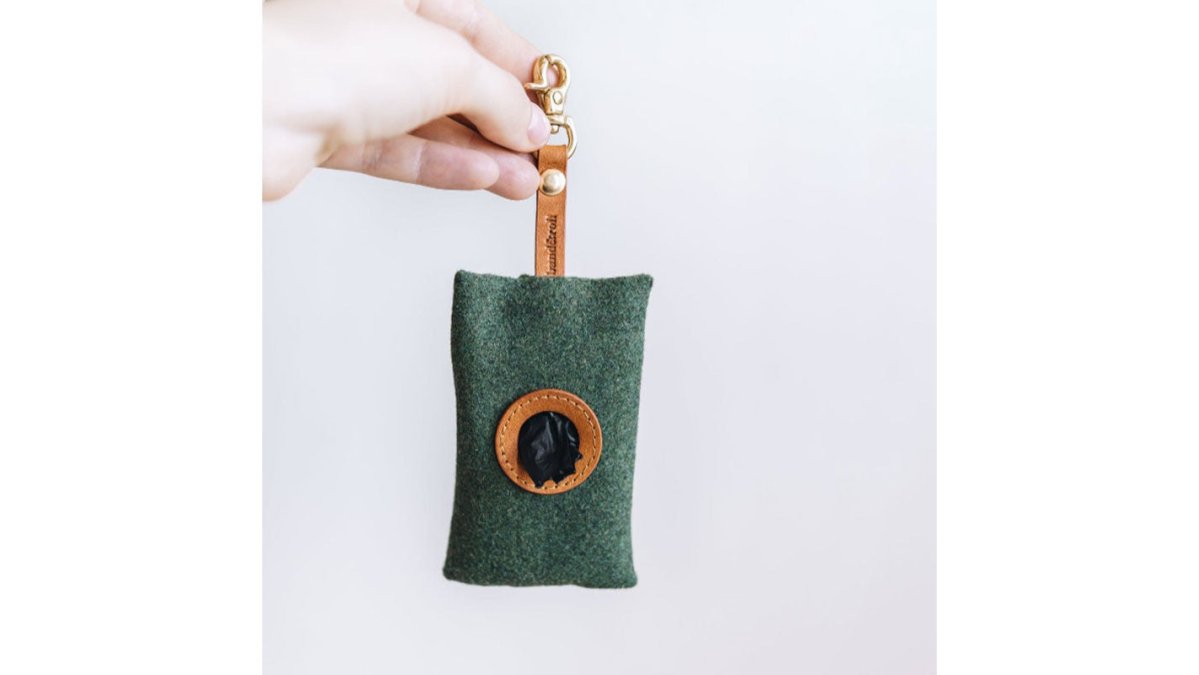
Carry more bags than you think you need. The Hanging Waist Portable Dog Poop Bag Holder clips to a leash or belt so bags are always to hand, and the degradable poop bags break down far faster than standard plastic.
The unwritten rules of sharing a trail
Leave No Trace principles apply to dogs as much as to walkers, and a few habits prevent most conflicts:
- Livestock and wildlife. Keep your dog on a lead around sheep, cattle, and horses, and give ground-nesting birds a wide berth in spring and early summer. A dog that chases livestock can be shot lawfully by a farmer in some circumstances, and it is a serious welfare issue for the animals either way.
- Other trail users. Yield to walkers, cyclists, and horse riders. Call your dog back and put it on a lead before you meet them, not after.
- Path width. On narrow or eroded sections, step aside and keep the dog close rather than letting it block the route.
- Water. Do not let your dog swim in reservoirs or drink from troughs used for livestock. Carry your own water and offer it often.
- Ground conditions. Stay off fragile ground, avoid widening paths by walking around mud, and keep to established trails where erosion is a problem.
Ticks, adders, and seasonal hazards
In spring and summer, stay out of long grass where adders and ticks are most common. Check your dog thoroughly at the end of every walk, paying attention to the ears, armpits, groin, and between the toes. A tick removal tool belongs in your first aid kit, not your kitchen drawer.
Clean up more than waste
Mud, wet dog, and trail grit travel home with you. The Dog Paw Washer is light enough to leave in the car boot, and it saves your seats after a wet, muddy finish. A quick towel-down before the drive home also stops your dog licking off anything it picked up on the trail.

Frequently Asked Questions
What is the best way to carry my dog while hiking?
For dogs that tire or get injured, consider options that allow you to comfortably carry them. Always introduce any new carrying method at home first and keep initial uses short.
What should I pack in a dog hiking first aid kit?
A dog hiking first aid kit should include self-adhesive bandages, sterile gauze, antiseptic wipes, tweezers for ticks, a tick removal tool, blunt-nosed scissors, saline solution for eye rinses, and a copy of your dog's vaccination records. Add any prescription medications and a spare leash. Store everything in a waterproof pouch. Check the kit before each season and replace expired items.
Are dog hiking boots worth it for rocky terrain?
Yes, for rocky terrain, dog hiking boots protect paws from sharp stones, hot surfaces, and ice balls in winter. They also improve traction on slippery sections. Choose boots with non-slip rubber soles and double Velcro straps for a secure fit. Introduce them gradually on short walks so your dog adjusts. Not all dogs tolerate boots, but for frequent rocky hikes, they prevent injuries that could end your trip early.
How do I keep my dog hydrated on long hikes?
Carry a portable water bottle with a built-in cup or a collapsible bowl. Offer water every 20-30 minutes, especially on warm days. A 2-in-1 stainless steel bottle or a 3-in-1 bottle with a food box works well. Always bring more water than you think you need and avoid letting your dog drink from streams due to bacteria risk.
What is the best dog carrying pack for hiking?
The best dog carrying solution depends on your dog's size and the hike length. Look for adjustable straps, ventilation panels, and a safety tether inside. Test any carrying solution with your dog at home before hitting the trail.


Leave a comment