


Natural Remedies for Puppy Teething Pain
Table of Contents
- Understanding Puppy Teething and Signs Your Pup Needs Relief
- Puppy Teething Timeline: What to Expect
- Safe Chew Toys for Teething Puppies
- Frozen Treats for Teething Puppies
- DIY Natural Remedies and Gum Massage Techniques
- What to Avoid: Choking Hazards and Unsafe Materials
- Managing Biting and Mouthing Behaviour During Teething
- When to Consult Your Veterinarian
- Frequently Asked Questions
Last Updated: September 20, 2026
Understanding Puppy Teething and Signs Your Pup Needs Relief
Puppy teething is one of the most challenging phases of dog ownership. Your young pup's deciduous teeth are falling out to make way for permanent ones, and this process creates significant oral discomfort. Understanding what's happening and recognising the signs means you can provide relief before destructive behaviour takes hold.
The teething phase typically begins around three weeks of age and continues until roughly six months, though this varies by breed. During this time, puppies experience swollen gums, tender mouths, and an overwhelming urge to chew on anything within reach. At Doggo Shop, we offer solutions that address both the physical discomfort and the behavioural challenges that come with it.

Common signs your puppy is teething include excessive drooling, swollen or inflamed gums, difficulty eating, and increased mouthing behaviour. Your pup may also seem more irritable than usual or show less interest in their normal activities. Some puppies develop a fever during particularly intense teething phases. If you notice any of these symptoms, it's time to explore natural remedies that can ease their discomfort without relying on medication.
The good news is that natural remedies for puppy teething pain work remarkably well when applied consistently. These approaches address the root cause, inflammation and soreness, while keeping your puppy safe and comfortable throughout the process.
Puppy Teething Timeline: What to Expect
Knowing when to expect each stage of teething helps you prepare and respond appropriately. The puppy teething timeline typically follows a predictable pattern, though individual puppies may progress slightly faster or slower.
Incisors usually emerge first, starting around three to five weeks of age. These small front teeth are the first to come in and the first to be shed. By eight weeks, your puppy will have a full set of deciduous teeth. This early stage often goes unnoticed because the discomfort is mild and puppies are still learning about their world.
The real challenge begins around three to four months when the molars start developing beneath the gums. This is when you'll notice the most dramatic behaviour changes, increased chewing, drooling, and mouthing. The pressure from emerging permanent teeth creates significant discomfort, and your puppy will seek relief by chewing on anything available.
By five to six months, most puppies have lost most or all of their deciduous teeth, and permanent teeth are rapidly filling in. The worst of the discomfort typically subsides by this point, though some sensitivity may persist. By seven months, most puppies have a complete set of adult teeth, though the roots continue developing until around 12 months.
Understanding this timeline helps you anticipate when your puppy will need the most support. The three to five-month window is when natural remedies for puppy teething pain deliver the greatest benefit.
Safe Chew Toys for Teething Puppies
Chew toys serve dual purposes during teething: they provide physical relief through gentle pressure on sore gums, and they redirect the chewing instinct away from your furniture and belongings.
Textured Toys That Soothe Sore Gums
Textured surfaces are essential for teething relief. The grooves and ridges massage inflamed gums while the act of chewing releases endorphins that naturally reduce discomfort. Look for toys with varied textures that encourage extended chewing sessions.
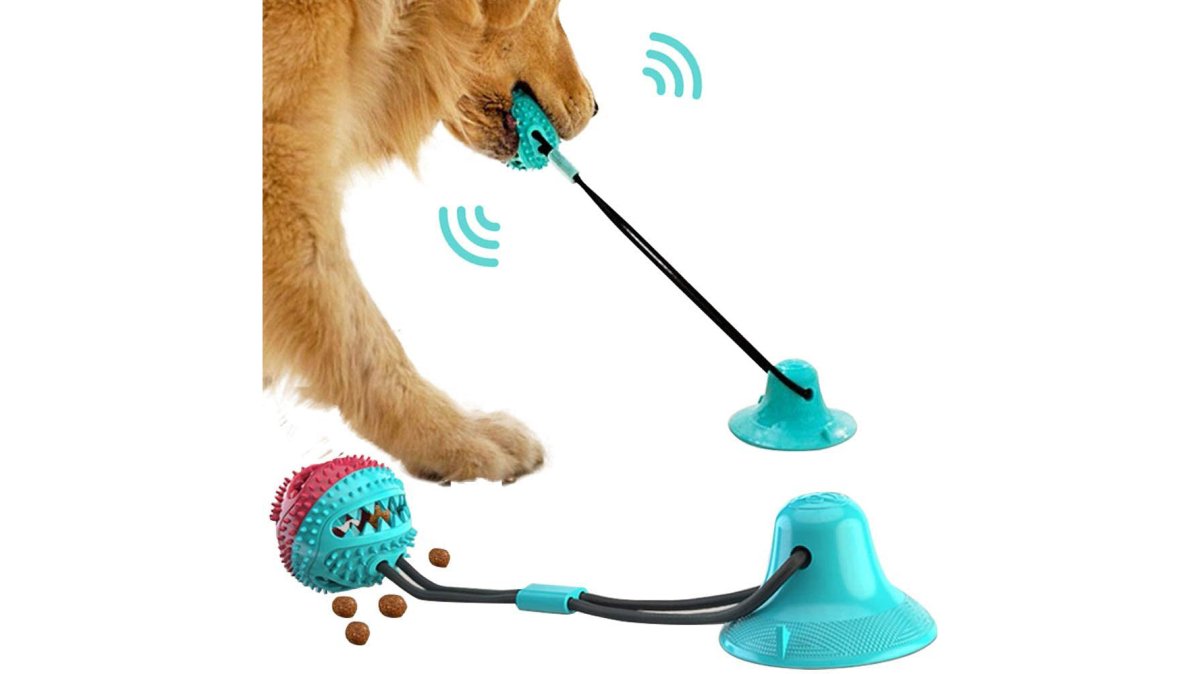
The Interactive Suction Cup Tug Toy from Doggo Shop features textured grooves specifically designed to clean teeth and massage gums as your puppy chews. The toy's durable construction means it withstands vigorous chewing without breaking apart into choking hazards. Its strong suction cup allows hands-free play, so your puppy can self-soothe when you're unable to supervise directly.
Another excellent option is the Indestructible Dog Chew Bone Toy. Its puzzle-like shape and varied surface textures provide multiple points of contact with sore gums. The TPR material is soft enough to be comfortable but durable enough to resist aggressive chewing. Many owners find this toy particularly effective because puppies can grip it easily with their front paws while working their back teeth against the textured surface.

Treat-Dispensing Options for Distraction and Relief
Treat-dispensing toys combine the soothing benefit of chewing with mental stimulation and reward. When your puppy works to extract treats from the toy, they're engaging multiple senses and redirecting their focus away from the discomfort.
The Thick Tire-inspired Durable Dog Chew Toy includes a treat-dispensing design that keeps puppies engaged for extended periods. Stuff it with small pieces of soft food or treats, and your puppy will work to extract them whilst simultaneously massaging their sore gums against the textured rubber surface. The rope feature adds another interactive element, allowing you to play tug-of-war together when your puppy needs active engagement.

For puppies that need distraction during your work day, treat-dispensing toys are invaluable. The combination of physical relief and mental engagement helps prevent destructive behaviour whilst naturally managing pain through activity and reward.
Frozen Treats for Teething Puppies
Frozen items provide numbing relief that's remarkably effective for sore gums. Cold temperatures reduce inflammation and create a soothing sensation that puppies actively seek out during teething.
Interactive Suction Cup Tug Toy – Dog →
Frozen carrots are among the safest and most accessible options. Their firm texture provides satisfying resistance to chewing, whilst the cold numbs inflamed gums. Simply offer a raw carrot straight from the refrigerator or freezer, most puppies will happily gnaw on it for 15-20 minutes. As the carrot softens slightly, it becomes easier to chew, preventing choking hazards.
Frozen broth offers another excellent option. Pour low-sodium bone broth (with no onion or garlic) into ice cube trays and freeze. Once solid, offer these cubes to your puppy. They dissolve slowly, providing extended relief whilst delivering nutritional benefits. Some puppies prefer broth cubes because they're easier to hold and chew than solid vegetables.
Frozen fruit can work well for some puppies, though introduce these cautiously. Small pieces of frozen apple or banana provide cold relief, but always remove seeds and monitor your puppy to ensure they don't swallow large chunks. Avoid grapes and raisins entirely, as these are toxic to dogs.
The key with frozen treats is supervision. Never leave your puppy unsupervised with frozen items, as small pieces can become choking hazards if they break off unexpectedly. Offer frozen treats for 10-15 minute sessions, then remove them. This approach provides targeted relief without overexposure to cold.
DIY Natural Remedies and Gum Massage Techniques
Beyond commercial toys and frozen treats, simple at-home remedies can significantly ease your puppy's teething discomfort.
Gum massage is one of the most effective natural remedies for puppy teething pain. Using clean fingers, gently rub your puppy's sore gums in circular motions for 2-3 minutes. Apply gentle pressure, enough to feel resistance but never so hard that you cause additional discomfort. Most puppies initially resist this, but many learn to enjoy it as the massage reduces their pain. The pressure helps ease inflammation whilst the physical contact strengthens your bond.
Chamomile tea offers gentle anti-inflammatory properties. Brew a small amount of chamomile tea, allow it to cool completely, then soak a clean cloth in the liquid. Offer the damp cloth to your puppy to chew on, or gently press it against their gums. The chamomile's natural compounds may reduce inflammation, whilst the cold cloth provides numbing relief.
A damp cloth frozen in the refrigerator serves the same purpose without additional ingredients. Dampen a small cloth, freeze it for 30 minutes, then offer it to your puppy. The combination of cold and texture provides dual relief. Puppies often prefer this to plain ice because the cloth is easier to grip and manipulate.
Coconut oil applied directly to gums can help. Use food-grade, unsweetened coconut oil and apply a tiny amount to sore areas with your clean finger. Coconut oil has natural anti-inflammatory properties and creates a protective barrier on irritated tissues. Most puppies tolerate this well, though some may try to lick it off immediately.
The consistency of these approaches matters more than the specific remedy. Applying gum massage or offering frozen treats multiple times daily, especially during peak discomfort periods, delivers better results than sporadic use.
What to Avoid: Choking Hazards and Unsafe Materials
Not all chewing solutions are equally safe. Several common items pose serious risks during the teething phase.
Rawhide chews are particularly problematic.
Managing Biting and Mouthing Behaviour During Teething
Teething puppies bite more frequently and with greater intensity than at other life stages. This isn't aggression, it's a response to discomfort, but it requires consistent management to prevent the behaviour from becoming a learned habit.
When to Consult Your Veterinarian
Most teething discomfort responds well to natural remedies and appropriate toys. However, certain situations warrant veterinary consultation.
Frequently Asked Questions
What is the best way to relieve pain in a teething puppy?
The most effective approach combines multiple methods. Offer safe chew toys with textured surfaces that massage sore gums, provide frozen treats like frozen carrots or broth cubes to numb discomfort, and gently massage your puppy's gums with a clean finger. Supervise all chewing to prevent choking hazards. Toys like the Interactive Suction Cup Tug Toy (£19.99) provide both relief and distraction through their textured design and treat-dispensing function.
How long does the puppy teething phase typically last?
Puppy teething usually begins around 3 to 5 weeks of age when deciduous teeth start erupting, and continues until approximately 6 to 7 months when permanent teeth fully emerge. The intensity peaks between 3 and 5 months. During this period, your puppy's chewing instinct is strongest, making appropriate outlets essential for managing discomfort and preventing destructive behaviour.
Are there any natural ways to numb puppy gums?
Yes. Frozen items provide natural numbing relief: frozen carrots, frozen broth cubes, or specially designed teething rings chilled in the freezer all soothe inflamed gums. Gum massage with a clean, damp cloth or your finger also helps reduce oral discomfort. Avoid numbing gels unless specifically recommended by your vet, as puppies may swallow them. The cold sensation itself is often enough to provide temporary relief from teething pain.
What should I look for in a safe chew toy for my teething puppy?
Choose toys made from non-toxic, durable materials like natural rubber that won't splinter or create choking hazards. Textured surfaces help clean teeth and massage gums. The toy should be appropriately sized for your puppy so it can't be swallowed whole. Avoid rawhide, small plastic toys, and anything with loose parts. Treat-dispensing designs add mental stimulation alongside pain relief, keeping your puppy engaged during the teething phase.


Leave a comment