


Must-Have Supplies for Potty Training a Rescue Dog
Table of Contents
- Essential Supplies for Potty Training a Rescue Dog: The Complete Checklist
- Choosing a Dog Crate for House Training Success
- Puppy Pads for Rescue Dogs: When and How to Use Them
- Cleaning Up Accidents: Enzyme Cleaner for Dog Urine
- How Long to Toilet Train a Rescue Dog: Timeline and Expectations
- Building a Consistent Routine: Feeding, Water, and Potty Breaks
- Rewarding Progress and Handling Setbacks
- Conclusion: Supporting Your Rescue Dog's Success
- Frequently Asked Questions
Last Updated: October 12, 2026
Essential Supplies for Potty Training a Rescue Dog: The Complete Checklist
Potty training a rescue dog requires patience, consistency, and the right tools. Unlike puppies raised in a home from birth, rescue dogs arrive with unknown histories and established habits.

The supplies you choose matter: a poorly-fitted crate frustrates both of you, the wrong cleaning product leaves "toilet spot" odours, and a sliding pad teaches nothing.
This guide covers the must have supplies for potty training a rescue dog, from confinement tools to cleaning solutions.
Confinement and Supervision Tools
A dog crate serves as your primary confinement tool. Rescue dogs need a safe space that prevents accidents when you cannot supervise.
Beyond the crate, consider an exercise pen or baby gates.
Tethering, a short lead attached to your belt or furniture, keeps your dog close indoors. It works best for calm dogs; anxious or reactive rescue dogs may find it stressful.
Outdoor Toileting Supplies
A designated outdoor toilet area teaches your rescue dog exactly where to eliminate. Choose a consistent spot, the same garden corner, the same patch of grass on walks, and your dog will associate it with toileting.
Waste bags are non-negotiable for responsible dog ownership. The UK Environment Agency guidance on pet waste disposal recommends bagging waste to prevent contamination of waterways and public spaces. Doggo Shop offers two options: our Eco-Friendly Dog Poop Bags - Leak-Proof & Extra Thick at £16.99 per pack, or our budget-friendly Dog Poop Bag - Degradable Garbage Bag with cute paw designs at £9.99. Our Eco-Friendly Dog Poop Bags - Leak-Proof & Extra Thick are crafted with EPI eco-friendly biodegradable technology, designed to support photo-oxidation and microbial breakdown over time, helping reduce environmental impact compared to standard plastic bags. Our Dog Poop Bag - Degradable Garbage Bag with cute paw designs use starch-based biodegradation, biodegradable bags through mild oxidation and natural microbial degradation, and HDPE+EPI material that can be degraded naturally.


A portable poop scooper eliminates bending or touching waste directly. Our Portable Dog Poop Scooper with Bag Holder at £19.99 has a spring-loaded clamp and built-in bag dispenser, working on grass, gravel, and concrete.
The Hanging Waist Portable Dog Poop Bag Holder at £9.99 clips to your belt or leash, keeping bags within reach and your hands free.
| Supply | Price | Best For | Key Feature |
|---|---|---|---|
| Eco-Friendly Poop Bags | £16.99 | Durable, leak-proof cleanup | Extra thick, odour-locking |
| Degradable Poop Bags | £9.99 | Budget-conscious owners | Cute paw designs, biodegradable |
| Poop Scooper | £19.99 | Grass and gravel areas | One-handed pickup, expandable |
| Bag Holder | £9.99 | On-walk convenience | Hands-free, clip-on design |
Indoor Potty Training Options
Indoor pads serve as an intermediate step for rescue dogs with limited outdoor access. Apartment dwellers, owners with mobility challenges, and those in extreme weather often rely on them.
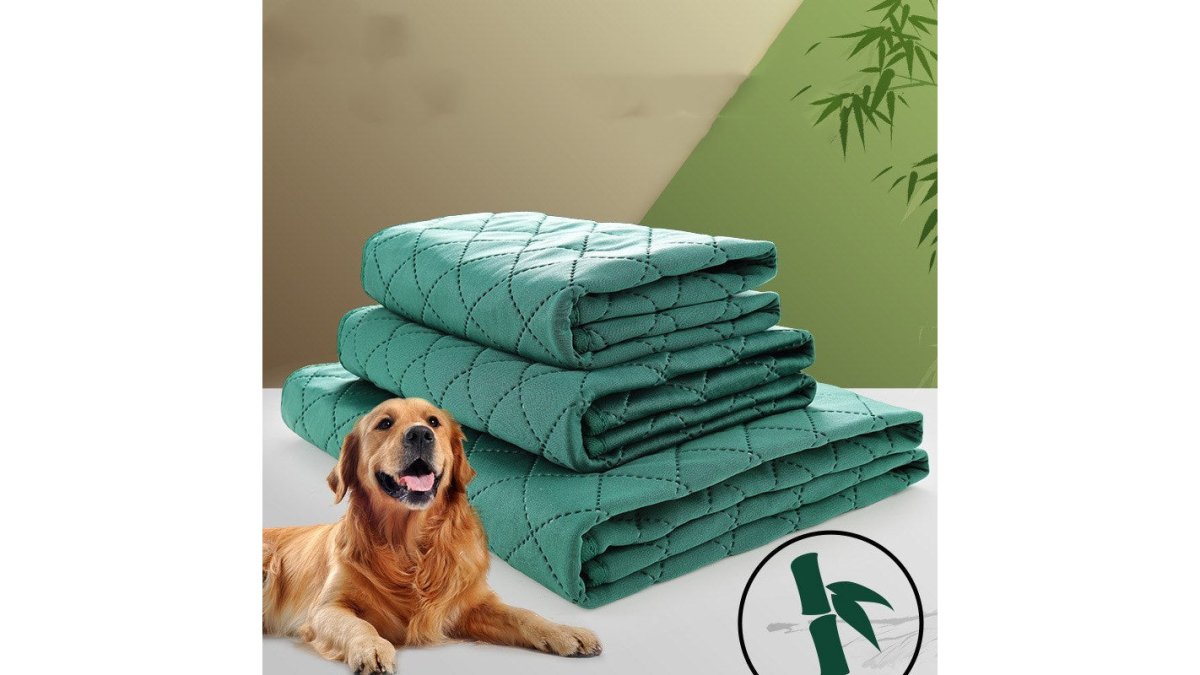
Our Reusable Bamboo Fiber Dog Potty Training Pad at £17.99 is a sustainable alternative.
Place reusable pads in a consistent spot, ideally near an outside door, so your dog learns to move toward the exit. Over time, move the pad closer to the door, then outside entirely.
Choosing a Dog Crate for House Training Success
The right crate is foundational to house training success, and size matters critically. Too large lets your rescue dog toilet in one corner whilst sleeping in another; too small causes stress.
Measure your rescue dog from nose to tail when standing, then add 5-8 centimetres; measure floor to the top of their head and add the same margin.
Introduce the crate gradually: leave the door open, feed meals inside, and reward calm behaviour nearby. Never force your dog in or use the crate as punishment, which creates negative associations that undermine house training.
Puppy Pads for Rescue Dogs: When and How to Use Them
Puppy pads aren't just for puppies; they serve rescue dogs during specific phases. Knowing when to use them prevents confusion that derails progress.
Use pads during the decompression period (first 2-3 weeks after adoption), when your rescue dog is stressed, disoriented, and learning your home's layout.
Use pads for dogs with medical conditions. Senior rescue dogs, those recovering from surgery, or dogs with incontinence need indoor toileting options.
Stop using pads once your rescue dog demonstrates reliable outdoor toileting, typically after 4-12 weeks depending on age, history, and your consistency.
The Reusable Bamboo Fiber Dog Potty Training Pad eliminates disposable waste: rinse, hang to dry, and reuse, saving money over months of house training.
Cleaning Up Accidents: Enzyme Cleaner for Dog Urine
Enzyme cleaners are non-negotiable for accident cleanup. Standard detergents remove visible stains and detectable odours but leave urine crystals microscopic to our noses, which your rescue dog smells, returning to the same spot repeatedly.
Enzyme cleaners break down uric acid at a molecular level; biological washing powders work similarly as a budget-friendly alternative. Apply, let sit for the recommended time (typically 10-15 minutes), then blot thoroughly.
Never use ammonia-based cleaners: urine contains ammonia, so these smell like a toilet signal to your dog.
| Cleaner Type | Effectiveness | Cost | Best For |
|---|---|---|---|
| Enzyme cleaner | Excellent | Moderate | Comprehensive cleanup |
| Biological powder | Good | Low | Budget-conscious owners |
| Vinegar solution | Fair | Low | Quick surface cleanup |
| Professional service | Excellent | High | Severe or stubborn spots |
How Long to Toilet Train a Rescue Dog: Timeline and Expectations
House training timelines vary dramatically.
Weeks 1-2: Decompression and routine establishment. Your rescue dog is learning your home, schedule, and expectations; accidents are inevitable.
Reusable Bamboo Fiber Dog Potty Training Pad →
Weeks 3-8: Pattern recognition. Your rescue dog connects outdoor access with toileting and accidents decrease.
Weeks 9-16: Reliability emerges. Most rescue dogs toilet reliably outdoors by now, though accidents still happen during stress or schedule changes. Maintain consistency and patience.
Beyond 16 weeks: Reinforcement and maturity. Your rescue dog understands the routine. Continue rewarding outdoor toileting; some need ongoing reinforcement, others become reliably housetrained without reminders.
Building a Consistent Routine: Feeding, Water, and Potty Breaks
Feed at the same times daily; most dogs toilet within 15-30 minutes after eating.
Manage water strategically: provide it during meals and after exercise, but limit it 2-3 hours before bedtime to prevent nighttime accidents whilst ensuring hydration.
Schedule toilet breaks at consistent times:
- Upon waking (morning, post-nap)
- After meals (15-30 minutes post-feeding)
- After play or exercise
- Before sleep
- Mid-day (if you're home)
For working owners, a dog walker or pet sitter becomes essential. Dogs cannot hold bladder control for 8+ hours.
Watch for signs your rescue dog needs to toilet: sniffing, circling, restlessness, whining, or moving toward the door. Immediate outdoor access teaches your dog that communication works.
Rewarding Progress and Handling Setbacks
Positive reinforcement accelerates house training. Praise enthusiastically when your rescue dog toilets outdoors, using high-value treats (cooked chicken, cheese, or training treats) or play and favourite toys.
Timing matters: reward within seconds of outdoor toileting, before your dog re-enters the house, to create a clear connection between behaviour and reward.
Accidents happen. Remain calm.
Common setbacks include:
- Regression during stress (moving house, family changes, illness)
- Accidents during excitement or anxiety
- Toileting in specific locations despite your efforts
- Nighttime accidents in older rescue dogs
Regression is normal. Maintain your routine without frustration. If accidents persist beyond 16 weeks, consult a veterinarian to rule out medical issues (urinary tract infections, incontinence, digestive problems).
Conclusion: Supporting Your Rescue Dog's Success
House training a rescue dog requires supplies, consistency, and compassion. The must have supplies for potty training a rescue dog, a properly-fitted crate, outdoor waste management tools, enzyme cleaner, and optional indoor pads, create the structure your dog needs to succeed.
Doggo Shop provides everything you need to housetrain your rescue dog effectively. Our Reusable Bamboo Fiber Dog Potty Training Pad eliminates waste whilst supporting your dog's transition. Our Portable Dog Poop Scooper with Bag Holder and waste bags make outdoor cleanup convenient and hygienic.
Frequently Asked Questions
What size crate should I choose for my rescue dog?
Measure your dog from nose to tail when standing, then add 5-8 centimetres for length; measure floor to the top of their head and add the same margin. A properly-sized crate allows standing, turning, and lying down comfortably without excess space that enables toileting in a corner.
How often should I take my rescue dog outside for toilet breaks?
Establish a routine with breaks after waking, after meals (15-30 minutes post-feeding), after play, and before bedtime. If you work full-time, arrange a midday break via a dog walker or pet sitter. Most rescue dogs need 4-6 outdoor breaks daily during initial house training.
Can I use regular detergent to clean up accidents?
No. Standard detergents remove visible stains but leave urine crystals that signal "toilet spot" to your dog. Enzyme cleaners or biological washing powders break down uric acid at a molecular level, preventing repeated accidents in the same location.
When should I stop using indoor pads?
Transition away from pads once your rescue dog demonstrates reliable outdoor toileting, typically 4-12 weeks after adoption. Gradually move pads closer to the door, then outside. Continuing pads long-term confuses house training and delays progress.
What if my rescue dog regresses during house training?
Regression is normal during stress (moving house, family changes, illness). Maintain your routine calmly without punishment. If accidents persist beyond 16 weeks, consult your veterinarian to rule out medical issues like urinary tract infections or incontinence.
Frequently Asked Questions
What supplies do I need to potty train a rescue dog?
Start with a dog crate for confinement, reusable potty pads like the Reusable Bamboo Fiber Dog Potty Training Pad (£17.99), leak-proof waste bags, a portable scooper (£19.99), and enzyme cleaner for accidents. Add a bag holder (£9.99) for walks and a designated outdoor toilet area. The key is consistency: supervise closely indoors, establish a feeding schedule, and take your dog outside frequently after waking, meals, playtime, and drinking.
How long does it take to toilet train a rescue dog?
Adult rescue dogs typically take 4-8 weeks to establish reliable house training habits, though some need 3-6 months depending on their background and prior experience. Senior rescue dogs may progress similarly. Consistency matters most: maintain a strict potty routine, supervise closely, and reward outdoor toileting immediately. Progress isn't always linear, expect occasional accidents as your dog settles in and learns household rules.
Should I use puppy pads when toilet training a rescue dog?
Puppy pads can help during the transition, especially for rescue dogs with limited outdoor access or those living in apartments. Use them strategically in a designated indoor toilet area alongside outdoor training, not as a permanent replacement. Reusable pads like the Bamboo Fiber Dog Potty Training Pad are eco-friendly and washable, making them more sustainable than disposables. Gradually reduce pad reliance as your dog learns to toilet outdoors consistently.
What is the best way to clean dog urine from carpets?
Use an enzyme cleaner specifically designed for dog urine, these break down the uric acid that causes odours and encourages repeat accidents. Blot fresh urine immediately with paper towels, then apply the enzyme cleaner according to product instructions. Avoid ammonia-based cleaners, which mimic urine scent and can attract your dog back to the same spot. For stubborn stains, treat multiple times and allow the cleaner to sit for the recommended duration before rinsing.
How often should I take a newly adopted dog outside to toilet?
Take your rescue dog outside at least every 2-3 hours during the day, plus immediately after waking, eating, drinking, and playtime. Establish a consistent schedule, typically first thing in the morning, mid-morning, after lunch, mid-afternoon, after dinner, and before bedtime. Watch for signs of restlessness, sniffing, or circling indoors. At night, limit water intake 2-3 hours before sleep. Consistency builds the toilet routine your rescue dog needs to succeed.


Leave a comment