


How to Stop Dog Chewing Furniture: 7 Proven Methods
Table of Contents
- Understanding Why Dogs Chew Furniture
- Puppy Teething Timeline: When Destructive Chewing Peaks
- The Best Dog Chew Deterrent Spray and Other Redirection Techniques
- Provide Appropriate Chew Toys to Stop Dog Chewing Furniture
- Interactive Dog Toys for Boredom: Mental Stimulation Essentials
- Dog Separation Anxiety Symptoms and How to Address Them
- Increase Exercise and Pet-Proof Your Home
- Training the Leave It Command and Managing Impulse Control
Last Updated: August 14, 2026
Understanding Why Dogs Chew Furniture
Dogs chew to satisfy natural instincts, manage stress, and explore their world. Puppies chew because their teeth are erupting and their gums ache. Adult dogs may chew due to boredom, insufficient exercise, separation anxiety, or lack of training about appropriate chewing targets. Some breeds, terriers and retrievers, for example, were bred to carry objects in their mouths, so their natural chewing drive is stronger than in other breeds.
Stress and anxiety trigger excessive chewing, particularly in dogs left alone for long periods. Lack of mental stimulation is another common culprit, dogs with nothing to do will create their own entertainment at your furniture's expense.
Puppy Teething Timeline: When Destructive Chewing Peaks
Puppies begin losing their baby teeth around 12 weeks of age. By 16 weeks, most have started erupting permanent teeth. This discomfort drives constant chewing, which relieves pressure on gums and helps loosen baby teeth. The phase typically peaks between 4 and 6 months of age, when multiple teeth are coming in simultaneously, and extends until approximately 7 months, though larger breeds may continue until 9 months.
Many dog owners assume their puppy will outgrow destructive chewing once teething ends. While teething-related chewing does decrease significantly after 7 months, puppies that haven't learned appropriate chewing habits often continue the behaviour into adulthood. A puppy that spends months chewing your furniture learns that furniture is fair game. A puppy redirected consistently to appropriate chew toys learns those items are acceptable outlets.
The Best Dog Chew Deterrent Spray and Other Redirection Techniques
Redirection teaches your dog where it's acceptable to chew rather than simply preventing chewing. A best dog chew deterrent spray applies a bitter taste to furniture, making it unappealing. These sprays typically contain capsaicin or similar compounds that are non-toxic but taste unpleasant to dogs. However, deterrent effectiveness varies significantly between individual dogs.
Consistency matters enormously when using deterrent spray. You must reapply it regularly, especially after cleaning or if furniture gets wet. Many dog owners apply it once, see minimal results, and abandon the approach. In reality, you're creating a learned association that requires repeated exposure.
Redirection works by offering better alternatives. When you catch your dog chewing furniture, calmly interrupt and immediately offer an appropriate chew toy. Reward enthusiastically when they shift attention to the toy. The most effective strategy combines deterrent spray on high-target furniture, rotating chew toys to maintain novelty, and active redirection whenever you catch inappropriate chewing. Doggo Shop's Thick Tire-inspired Durable Dog Chew Toy for Aggressive Chewers works well because its texture and durability keep dogs engaged longer than softer toys.

Physical barriers provide another form of redirection. Blocking access to furniture using baby gates, closed doors, or furniture covers removes temptation entirely while you build better habits.
Provide Appropriate Chew Toys to Stop Dog Chewing Furniture
The single most important tool for stopping dog chewing furniture is providing appropriate alternatives. Dogs chew because chewing meets a need; your job is ensuring that need gets met through toys rather than furniture.
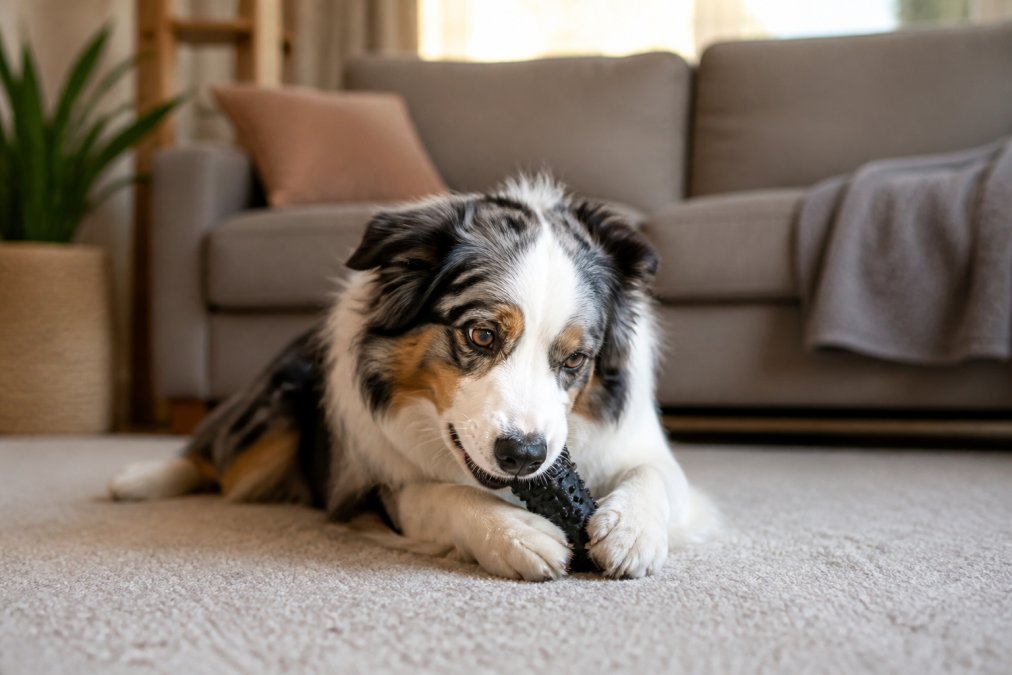
Not all chew toys are created equal. Soft toys get destroyed quickly, while durable chew toys designed for aggressive chewers provide sustained engagement. The Indestructible Dog Chew Bone Toy for Teeth Cleaning is engineered to withstand prolonged chewing while supporting dental health.

Texture variety matters, some dogs prefer rubber, others rope, and some want something closer to natural wood or bone. Rotate toys regularly to maintain novelty. For aggressive chewers, durability is non-negotiable. Doggo Shop's Thick Tire-inspired Durable Dog Chew Toy for Aggressive Chewers (£19.99) is designed to last, often featuring treat-dispensing capabilities for added mental stimulation.
Size matters too. A toy that's too small becomes a choking hazard; one that's too large may be difficult to grip. Follow manufacturer size recommendations based on your dog's weight. Introduce new toys gradually and praise enthusiastically whenever your dog chews the toy rather than furniture.
Interactive Dog Toys for Boredom: Mental Stimulation Essentials
Boredom drives destructive chewing in adult dogs. Interactive dog toys for boredom address this by providing mental stimulation alongside physical engagement. Puzzle toys, treat-dispensing toys, and snuffle mats require problem-solving and engage natural foraging instincts.
The Snuffle Mat for Dogs - Interactive Sunflower Treat Puzzle (£19.99) lets dogs search through fabric layers for hidden treats, occupying them for 20-30 minutes. The Smart Duck Feeder - Interactive Treat Dispenser Toy (£19.99) turns mealtime into mental engagement, slowing fast eaters while providing enrichment.

Mental stimulation is particularly valuable for urban dogs or those whose owners work long hours. A mentally exhausted dog is far less likely to engage in destructive chewing. Rotating interactive toys maintains engagement, a puzzle toy that's always available eventually becomes routine, while occasional introduction sustains novelty longer.
Dog Separation Anxiety Symptoms and How to Address Them
Destructive chewing often masks separation anxiety. Dog separation anxiety symptoms include chewing specifically when you're away, destructive behaviour concentrated near doors or windows, excessive vocalization, and escape attempts. An anxious dog might destroy furniture in a panic-driven frenzy rather than methodical chewing. Physical signs include panting, drooling, trembling, or loss of appetite.
Addressing dog separation anxiety symptoms requires a different approach than managing boredom-related chewing. Gradual desensitization works well: practice leaving for short periods, then gradually extend duration. This teaches your dog that your departure doesn't signal permanent abandonment.
Keep departures and arrivals low-key. Avoid extended goodbye rituals; simply leave calmly. When you return, wait until your dog has settled before greeting them enthusiastically. Some dogs benefit from calming supplements or anxiety wraps, though these work best alongside training rather than as standalone solutions.
Increase Exercise and Pet-Proof Your Home
Physical exercise is non-negotiable for preventing destructive chewing. A dog that hasn't received adequate exercise carries pent-up energy that demands an outlet.
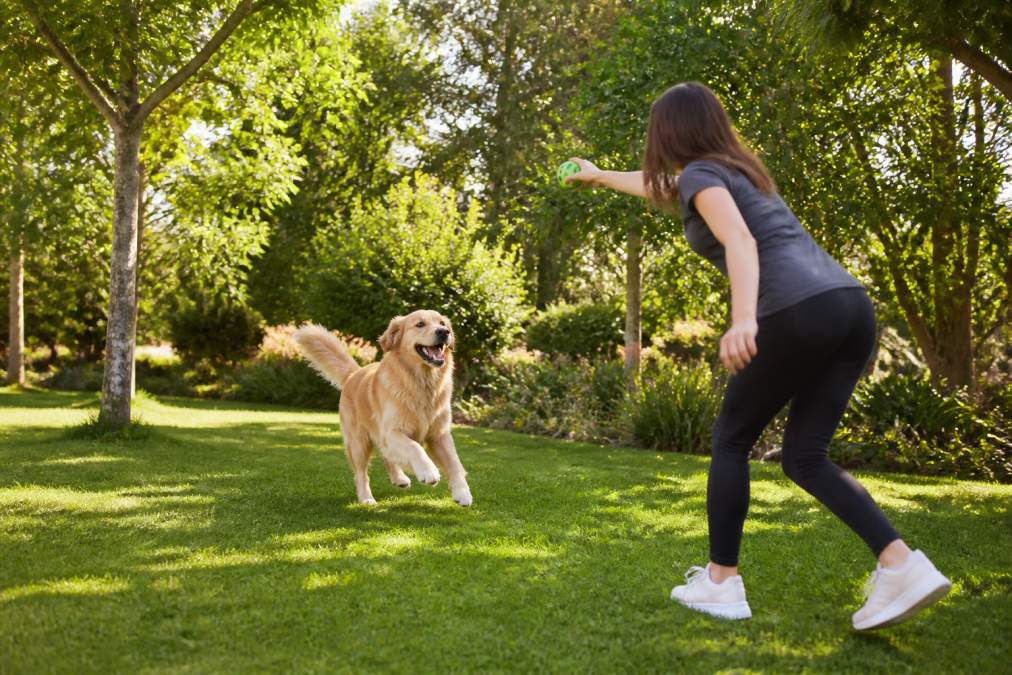
Exercise requirements vary by breed, age, and temperament. Nearly every dog benefits from at least 30 minutes of dedicated physical activity daily, with many needing 60+ minutes. Walking alone often isn't sufficient; running, fetch, swimming, or agility work provides the intensity needed to truly tire a dog.
Pet-proofing your home reduces temptation while you build better habits. Remove access to high-target furniture using baby gates or closed doors. Cover vulnerable furniture with protective throws. Store chewable items like shoes and socks out of reach. Crate training provides safe confinement when you can't supervise, a properly introduced crate becomes a safe space rather than punishment.
Training the Leave It Command and Managing Impulse Control
Teaching the leave it command gives you a direct tool for interrupting destructive chewing in the moment. Start with low-value items: place a treat on the floor and cover it with your hand. When your dog stops trying to access it and pulls back, immediately reward with a higher-value treat from your other hand.
Gradually increase difficulty by using items your dog finds more tempting and practicing in different environments. Once your dog understands leave it with treats, apply it to furniture. If you catch your dog chewing the sofa, calmly say "leave it," wait for compliance, and immediately reward.
Impulse control develops gradually. Puppies have naturally poor impulse control; it's a skill that improves with age and training. Most dogs need dozens of repetitions before the command becomes reliable. The leave it command is most effective when combined with redirection, "leave it" interrupts the behaviour; immediately offering a chew toy redirects the chewing drive to an appropriate outlet.
Stopping dog chewing furniture requires patience and consistency, but the effort pays off in preserved furniture and a happier dog. The combination of understanding your dog's chewing drive, providing appropriate outlets, ensuring adequate exercise, and training impulse control addresses the behaviour from multiple angles. Doggo Shop's range of durable options, from the Thick Tire-inspired Durable Dog Chew Toy (£19.99) to the Interactive Sunflower Snuffle Mat (£19.99), gives your dog the tools to satisfy their chewing instinct appropriately. Every purchase supports rescue dogs in need, so you're solving your furniture problem while making a difference for animals waiting for homes.
| Approach | Best For | Timeline |
|---|---|---|
| Redirection to chew toys | All ages; immediate impact | Weeks to months |
| Puppy teething management | Puppies 12-28 weeks old | 4-6 months |
| Deterrent sprays | Targeted furniture protection | Ongoing application |
| Interactive enrichment toys | Boredom-related chewing | Weeks to months |
| Increased exercise | Energy-driven chewing | Immediate improvement |
| Leave it command training | Impulse control development | 2-3 months minimum |
| Separation anxiety training | Anxiety-driven chewing | 2-6 months |
Frequently Asked Questions
How do I stop my dog from chewing on furniture when left alone?
Start by addressing the root cause. If your dog chews only when alone, separation anxiety may be the culprit. Provide appropriate chew toys, use a crate if your dog is crate-trained, and gradually increase alone time. Apply a bitter spray deterrent to furniture edges, and consider using interactive puzzle toys like our Smart Duck Feeder to keep your dog mentally engaged. Ensure your dog gets adequate exercise before you leave, as a tired dog is less likely to engage in destructive chewing.
At what age do puppies stop chewing furniture?
Destructive chewing peaks during the teething phase, typically between 3 and 6 months old, though some puppies continue until 12 months. Adult dogs may chew due to boredom, anxiety, or lack of exercise rather than teething. By providing appropriate chew toys, consistent training, and mental stimulation throughout these stages, you can guide your puppy away from furniture and toward acceptable outlets for their natural chewing instinct.
What can I put on wooden furniture to stop a dog from chewing?
The best dog chew deterrent spray contains bitter compounds like capsaicin or citronella, which dogs find unpleasant. Apply these non-toxic sprays directly to furniture edges and reapply every few days or after cleaning. Alternatively, use physical barriers like furniture covers or protective tape. For severe cases, combine deterrent spray with redirection to appropriate chew toys and ensure your dog receives enough exercise and mental stimulation to reduce the urge to chew furniture in the first place.
Is chewing furniture a sign of separation anxiety in dogs?
Chewing can indicate separation anxiety, especially if it occurs only when your dog is alone. Other dog separation anxiety symptoms include excessive barking, whining, destructive behaviour at doors or windows, and house soiling. If you suspect separation anxiety, consult your vet or a behaviourist. Combine behavioural training with environmental management: use interactive dog toys for boredom, ensure adequate pre-departure exercise, and gradually build your dog's tolerance to alone time through positive reinforcement.
This article was written using GrandRanker


Leave a comment