


How to Prevent Dog Separation Anxiety: Step-by-Step Guide
Table of Contents
- Understanding Separation Anxiety: What It Is and Why Prevention Matters
- Signs of Separation Anxiety in Dogs: Recognise the Warning Signals
- How Long Can a Dog Be Left Alone Without Distress
- Step-by-Step Training: Building Your Dog's Independence
- Desensitisation Training for Dogs: Gradual Exposure Protocol
- Best Toys for Dogs with Separation Anxiety: Enrichment and Mental Stimulation
- The Role of Exercise and Routine in Prevention
- When to Seek Professional Help
Last Updated: August 20, 2026
Understanding Separation Anxiety: What It Is and Why Prevention Matters
Separation anxiety in dogs is a genuine anxiety disorder where a dog experiences distress when separated from their owner, leading to destructive behaviour, excessive barking, house soiling, and self-injury. At Doggo Shop, we understand that prevention, beginning long before symptoms appear, is far more effective than treatment.
Prevention differs fundamentally from treatment. A dog raised with gradual independence, predictable routines, and healthy coping mechanisms rarely develops separation anxiety. A dog that has already developed it requires intensive behavioural modification and sometimes veterinary intervention.
Modern life often works against natural canine development. Puppies raised with constant human presence never learn to self-soothe. Dogs never left alone have no opportunity to build confidence. Owners who make departures dramatic inadvertently reinforce the anxiety they're trying to prevent.
This guide covers practical steps to prevent separation anxiety from the start, whether you're bringing home a new puppy or working with an adult dog. The principles remain the same: gradual exposure, predictable routines, mental enrichment, and calm consistency.
Signs of Separation Anxiety in Dogs: Recognise the Warning Signals
Understanding early warning signs helps you intervene before behaviour becomes entrenched. Many owners mistake stress signals for misbehaviour and respond with punishment, which worsens anxiety.
Common early signs include:
Pacing, restlessness, obsessive following, or agitation when you prepare to leave. Whining, barking, or howling within minutes of departure, a distress call, not disobedience. Destructive behaviour focused on exit points: chewing door frames, scratching windows. House soiling despite reliable houstraining, a stress response, not a lack of training. Excessive drooling, panting, or visible panic when alone.
The critical distinction is that these behaviours occur specifically when the dog is alone or when departure is imminent. A dog that only barks when you leave is showing separation-related behaviour, not general anxiety or boredom.
How Long Can a Dog Be Left Alone Without Distress
Understanding your dog's current tolerance for alone time is essential to prevention. There's no universal rule; it depends on age, temperament, and prior experience.
Puppies under 12 weeks should not be left alone for more than 1-2 hours. Their bladder control is limited and they lack the neurological capacity to self-soothe.
Puppies aged 3-6 months can typically manage 3-4 hours alone.
Dogs aged 6 months to 2 years can generally be left alone for 4-6 hours. This is the critical window for building confidence in alone time.
Adult dogs (2+ years) can typically be left alone for 6-8 hours, provided they've been gradually accustomed to alone time.
The key variable is gradual exposure. A dog never left alone for more than 30 minutes will struggle at 2 hours, regardless of age. Conversely, a dog systematically trained to be alone can often manage significantly longer periods.
Step-by-Step Training: Building Your Dog's Independence
Step 1: Start with Micro-Absences
Begin by leaving your dog alone for just 30 seconds to 1 minute. The goal is to teach your dog that departures are not catastrophic and that you always return.
Leave the room while your dog is calm and occupied. Return before your dog becomes distressed. If you wait until whining or panicking, you've waited too long. Successful prevention means returning during calm moments.
Gradually extend duration: 30 seconds, then 1 minute, then 2 minutes, then 5 minutes. This progression might take 2-4 weeks. A dog that learns to be calm during short absences will naturally extend that tolerance as you increase duration.
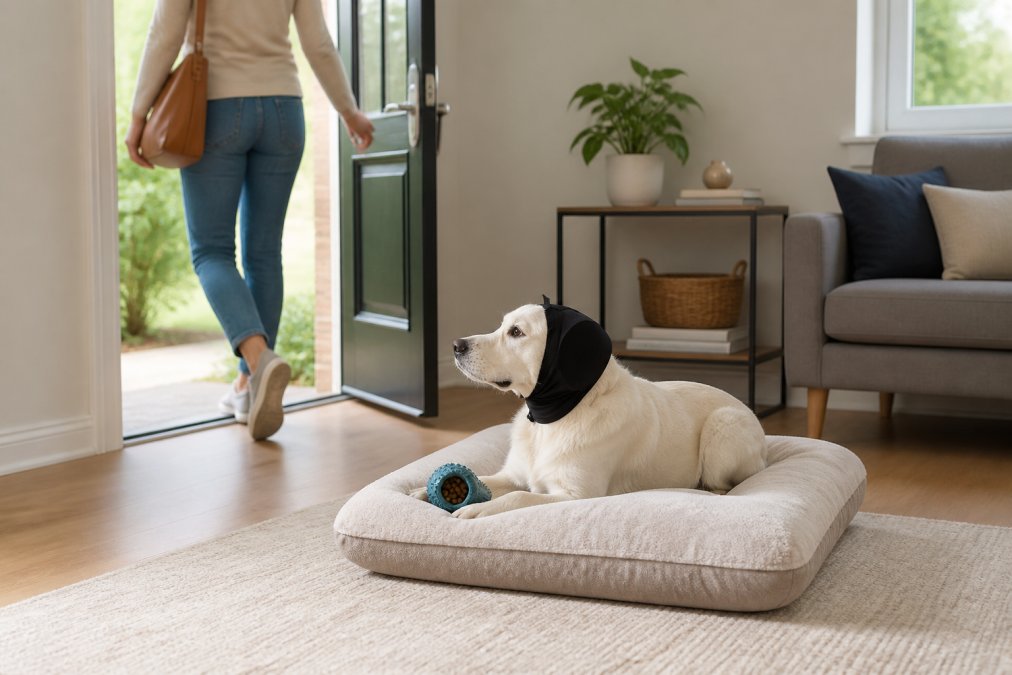
Step 2: Desensitise Your Dog to Departure Cues
Dogs often become distressed when they see you picking up keys, putting on shoes, or grabbing your coat. These departure cues trigger anticipatory anxiety.
Desensitise your dog by repeating these actions without actually leaving. Pick up your keys and sit down. Put on your shoes and watch television. Grab your coat and stay home. Repeat these actions randomly throughout the day, dozens of times, so your dog stops associating them with departure.
Only when your dog remains calm through multiple departure cues should you progress to actually leaving.
Step 3: Create a Safe Haven
Designate a specific space, a crate, pen, bedroom, or section of your home, as your dog's safe space during alone time. When introduced properly, a crate becomes a den-like refuge where dogs feel secure.
Introduce the crate gradually. Leave the door open and toss treats inside. Let your dog enter and exit freely for several days. Only when your dog voluntarily spends time in the crate should you close the door for brief periods while you're present.
The safe haven should contain comfort items: a soft bed, a familiar blanket, or a piece of your worn clothing. Food-stuffed toys work exceptionally well in creating positive associations with alone time.
Step 4: Practise Calm Arrivals and Departures
Most dog owners make departures and arrivals emotionally charged. They say goodbye, give extra attention, or feel guilty. They return home and immediately greet their dog enthusiastically. This teaches your dog that departures and arrivals are significant, stressful events.
Instead, practise complete neutrality. Leave without fanfare, no goodbye, no extra attention. When you return, ignore your dog for 5-10 minutes. Don't greet them, don't make eye contact. Only when your dog is calm should you interact.
Your dog learns that departures and arrivals are ordinary, unremarkable events.
Desensitisation Training for Dogs: Gradual Exposure Protocol
Desensitisation is the process of gradually exposing your dog to alone time at levels that don't provoke anxiety, then slowly increasing intensity. This differs from flooding, which often backfires and worsens anxiety.
A proper desensitisation protocol follows a structured progression:
Week 1-2: Leave your dog alone for 5-10 minutes while you're in an adjacent room.
Week 3-4: Extend to 15-30 minutes. Leave the house for short periods.
Week 5-6: Extend to 1 hour. Leave for genuine errands.
Week 7-8: Extend to 2-3 hours.
Weeks 9+: Gradually work toward your target duration (typically 6-8 hours for working owners).
Never progress until your dog is consistently calm at the current level. If you move too fast and your dog becomes distressed, you've inadvertently trained the anxiety response. Return to a shorter duration and extend more slowly.
Monitor your dog's behaviour using a pet camera. Look for pacing, whining, destructive behaviour, or house soiling. These signs indicate you've progressed too quickly.
Best Toys for Dogs with Separation Anxiety: Enrichment and Mental Stimulation
Food-stuffed toys are the single most effective tool for preventing separation anxiety. They occupy your dog's mind during alone time, create positive associations with your absence, and provide mental stimulation that prevents boredom-related destructive behaviour.
The ideal toy for alone time:
Should be durable enough that your dog cannot destroy it and ingest pieces. Should be fillable with high-value food or treats. Should be challenging enough to occupy your dog's attention for at least 20-30 minutes.
At Doggo Shop, our Snuffle Mat for Dogs - Interactive Sunflower Treat Puzzle (£19.99) encourages natural foraging behaviour, keeping your dog mentally stimulated while you're away. The Calming Duck Plush Dog Toy - Squeaky Chew & Pillow (£19.99) provides comfort and a focus object for anxious dogs.

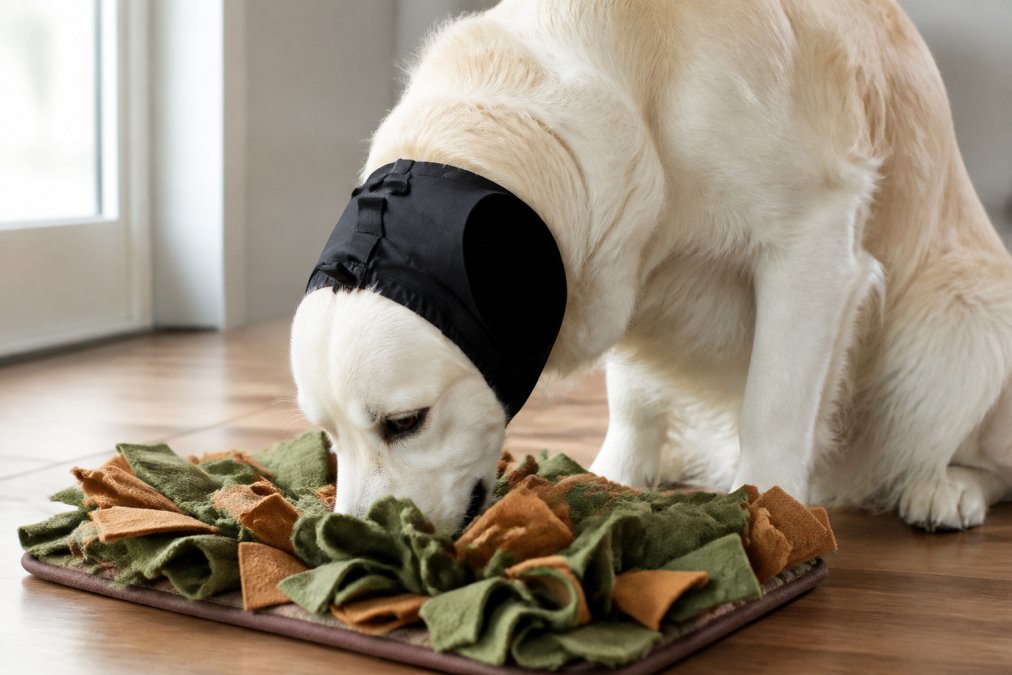
Rotation strategy: Rotate between 2-3 different toys so your dog doesn't habituate to them. A toy ignored for a week becomes interesting again when reintroduced.
Frozen treats last longer: Fill a toy with wet food, kibble, or treats, then freeze overnight. A frozen toy takes 30-45 minutes to consume, compared to 10-15 minutes for a room-temperature toy. Use high-value foods like peanut butter, cream cheese, wet dog food, or cooked chicken.
The goal is to create a strong positive association: alone time = special toy with delicious food I can't get any other time.
The Role of Exercise and Routine in Prevention
A dog that has had adequate aerobic activity is far more likely to remain calm during alone time. Exercise reduces cortisol levels, burns excess energy, and promotes mental well-being.
Daily exercise requirements vary by breed and age:
High-energy breeds (Border Collies, Australian Shepherds, Jack Russell Terriers) require 60-90 minutes of aerobic activity daily. Moderate-energy breeds (Labrador Retrievers, Golden Retrievers, Beagles) typically need 45-60 minutes. Lower-energy breeds (Bulldogs, Basset Hounds, Cavalier King Charles Spaniels) may manage with 20-30 minutes, though more is beneficial.
Aerobic activity that elevates your dog's heart rate, fetch or running, is more effective than walking alone.
Routine is equally important. Dogs thrive on predictability. Establish a consistent daily schedule: wake time and morning walk, breakfast at a set time, midday exercise, afternoon alone time, evening walk, dinner, and bedtime routine.
This predictability reduces overall stress and makes alone time feel like a normal part of the day.
When to Seek Professional Help
Most cases of separation anxiety can be prevented through the methods outlined above. However, some dogs may require professional support.
Seek professional help if:
Your dog shows signs of separation anxiety despite consistent training over 8-12 weeks. Your dog's anxiety is severe: self-injury, extreme destructiveness, or severe house soiling. You're unsure whether you're implementing training correctly. Your dog has experienced trauma that may have created anxiety responses.
Types of professional support:
A certified professional dog trainer (look for CCPDT or similar certification) can design a customised training protocol. A veterinary behaviorist can assess whether medication is appropriate and coordinate treatment with behaviour modification. Your veterinarian can rule out medical causes that might mimic separation anxiety symptoms.
We offer products that support your training efforts, including our Noise Reduction Dog Hoodie - Calming Ear Wrap for Dogs (£19.99), which helps sensitive dogs manage environmental stressors during alone time.

Preventing dog separation anxiety requires patience, consistency, and a clear understanding of what your dog needs. The process isn't complicated, simply build independence gradually, create positive associations with alone time, and maintain a predictable routine. Start early, progress slowly, and your dog will develop the confidence to be alone without distress. At Doggo Shop, we're committed to supporting your dog's wellbeing with products designed for comfort and enrichment, while every purchase helps rescue dogs in need. Begin your prevention protocol today, and you'll likely never face the challenge of treating separation anxiety in the first place.
Frequently Asked Questions
What are the early signs of separation anxiety in dogs?
Early warning signs include pacing, whining, or destructive behaviour when you prepare to leave. Your dog may follow you from room to room, show excessive excitement when you return, or display stress signals like panting or drooling. Catching these signs early makes prevention much easier. If your dog shows house soiling, destructive behaviour, or self-injury only when alone, consult a veterinary behaviourist to rule out medical issues and develop a tailored plan.
How can I help my dog feel more secure when left alone?
Create a predictable routine and establish a safe haven, such as a crate or designated room with your dog's bed and toys. Practise desensitisation by leaving for short periods and gradually extending them. Use enrichment toys like snuffle mats or puzzle feeders to redirect anxiety into mental stimulation. Calming accessories, such as a noise-reduction dog hoodie, can also help reduce stress. Ensure your dog gets adequate aerobic activity daily to burn energy and promote relaxation.
What is the best way to stop separation anxiety in dogs?
Prevention through early desensitisation training is most effective. Start with micro-absences of just a few seconds, then gradually increase duration. Counter-condition departure cues by practising them without actually leaving. Establish calm arrivals and departures to avoid reinforcing anxiety. Combine training with enrichment toys, adequate exercise, and a safe space. For severe cases, work with a certified professional dog trainer or veterinary behaviourist. Some dogs benefit from calming pheromone products or, in consultation with your vet, medication to support behavioural modification.
How long can a dog safely be left alone without developing anxiety?
Most adult dogs can manage 4-6 hours alone if properly trained and socialised. Puppies and senior dogs have shorter thresholds, typically 2-4 hours. The key is gradual exposure and individual temperament; some dogs adapt to longer periods with proper desensitisation, while others develop anxiety sooner. Never assume your dog can handle a duration without testing it first through controlled practice. Post-pandemic, many dogs need retraining as they've become accustomed to constant companionship.
This article was written using GrandRanker


Leave a comment