


How to Prevent Canine Obesity Easily: A Practical Guide
Table of Contents
- Understanding Canine Obesity and Why Prevention Matters
- Signs of Obesity in Dogs: What to Look For
- How Much Should I Feed My Dog: Getting Portions Right
- Low Calorie Dog Treats: Healthy Alternatives to Avoid Weight Gain
- Dog Exercise Requirements by Breed: Finding the Right Activity Level
- Practical Daily Strategies to Prevent Canine Obesity
- Common Mistakes That Lead to Weight Gain
- Conclusion
Last Updated: August 8, 2026
Understanding Canine Obesity and Why Prevention Matters
Canine obesity is one of the most common nutritional disorders affecting dogs in the UK today. A dog is considered obese when it weighs 20% or more above its ideal body weight, leading to serious health complications including joint problems, diabetes, and reduced life expectancy. Prevention is far more effective than reversing obesity once established.
Weight gain happens gradually and invisibly, a few extra treats, a skipped walk, and suddenly your dog's waistline has expanded. By the time you notice, your dog may already be dealing with metabolic changes that make weight loss difficult. Preventing canine obesity requires portion control, appropriate exercise, and smart feeding strategies.
Signs of Obesity in Dogs: What to Look For
Recognising early signs of weight gain is essential for catching the problem before it becomes serious. A healthy dog should have a visible waist when viewed from above, and you should be able to feel the ribs without pressing hard, they shouldn't stick out prominently, but shouldn't be buried under fat either. This is called the body condition score, the most reliable way to assess healthy weight.
Overweight dogs often show behavioural shifts: less interest in play, tiring easily during walks, spending more time resting, or difficulty climbing stairs. These signs indicate the extra weight is affecting quality of life.
Watch for these specific warning signs:
- Difficulty feeling ribs when you gently press the chest
- Loss of visible waist definition when viewed from above
- Sagging belly or rounded appearance
- Reluctance to exercise or play
- Excessive panting after minimal activity
- Difficulty moving, climbing stairs, or getting comfortable
The earlier you catch these signs, the easier prevention becomes.
How Much Should I Feed My Dog: Getting Portions Right
How much should I feed my dog? The answer depends on your dog's age, activity level, metabolism, and food's caloric content, but most dogs eat more than they need.
Portion control is the single biggest factor in preventing canine obesity. It's not about starving your dog but feeding the right amount to maintain healthy weight. Check your dog's food packaging for recommended daily portions based on weight, but remember these are guidelines for average activity levels. A dog spending most of the day indoors needs less food than an active outdoor companion.
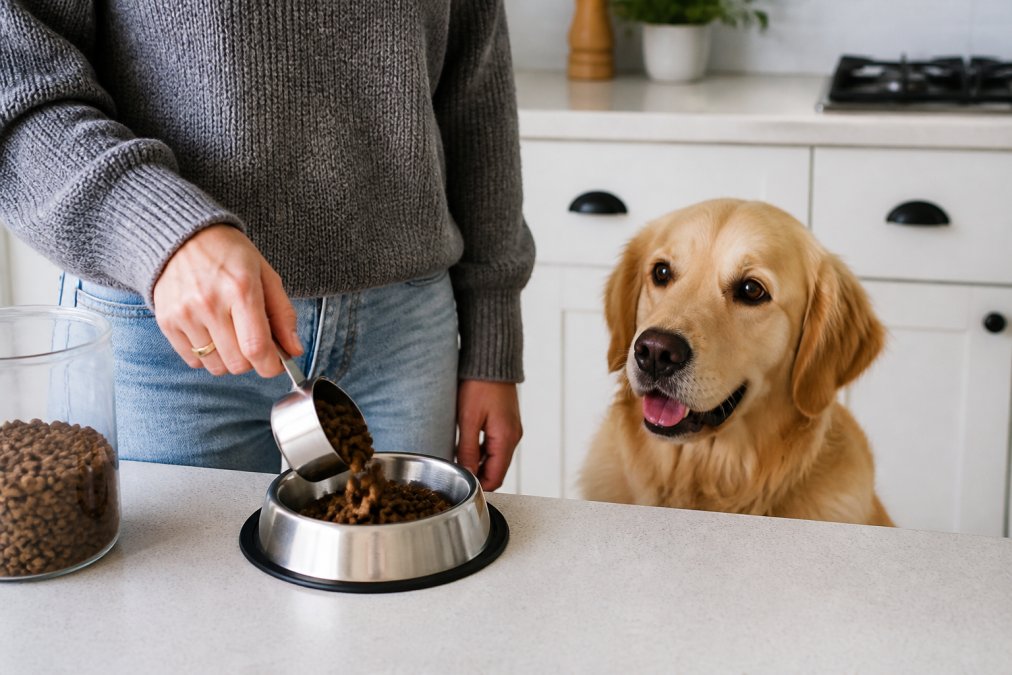
Measure your dog's food precisely using a measuring cup or kitchen scales. Free-feeding is one of the biggest contributors to obesity because dogs eat out of boredom rather than hunger. Scheduled feeding, typically once or twice daily, gives you complete control over caloric intake.
Reading Food Labels and Calculating Daily Calories
Dog food labels list calories per cup or per 100g, but many owners never check this information. A typical adult dog needs roughly 25-30 calories per pound of body weight daily, though this varies significantly based on activity level. A sedentary dog might need only 20 calories per pound, while an active dog might need 35 or more.
Most commercial dog foods contain between 350 and 500 calories per cup. If your dog's food contains 450 calories per cup and you're feeding two generous cups daily, that's 1,800 calories, potentially 200-300 calories more than needed for a moderately active dog.
Measure precisely, calculate based on your dog's actual activity level, and adjust portions if your dog isn't maintaining healthy weight. Many vets can provide personalised caloric recommendations based on your dog's metabolism and lifestyle.
Adjusting Portions Based on Activity Level
A dog that walks 30 minutes daily needs different portions than one that walks two hours. Assess your dog's actual activity honestly: does your dog get sustained aerobic exercise, or just short bathroom breaks?
For less active dogs, reduce portions by 15-20% from the label recommendation. For moderately active dogs, follow the label closely. For very active dogs, you may need to increase portions. Many owners underestimate how little activity their dog actually gets, a 20-minute walk is beneficial for mental stimulation but isn't sustained exercise.
Low Calorie Dog Treats: Healthy Alternatives to Avoid Weight Gain
Treats are where many weight management plans fail. A single shop-bought dog treat can contain 50-150 calories. If your dog gets five treats daily, that's 250-750 calories from treats alone, potentially 20-60% of their entire daily intake.
Low-calorie alternatives include raw vegetables like carrots, green beans, and courgette. A whole carrot contains only 25 calories and provides dental benefits. Other excellent options include plain cooked chicken breast, apple slices, watermelon pieces, plain boiled sweet potato, frozen blueberries, and plain rice cakes.
The Slow Feeder Dog Lick Bowl from Doggo Shop can be filled with lower-calorie options like plain yoghurt (a spoonful contains only 10-15 calories), turning treat time into a slower, more satisfying experience. When you do use commercial treats, choose ones specifically labelled as low-calorie or training treats at 5-15 calories each. Always count treats toward your dog's daily caloric total.

Dog Exercise Requirements by Breed: Finding the Right Activity Level
Different breeds have vastly different exercise needs. A Border Collie needs far more exercise than a Bulldog, and feeding them the same portions would guarantee weight gain in the less active breed.
High-energy breeds like Collies, Retrievers, and Spaniels need 60-120 minutes of sustained exercise daily, including both aerobic activity and mental stimulation. Moderate-energy breeds like Cocker Spaniels, Beagles, and Terriers typically need 30-60 minutes daily. Low-energy breeds like Bulldogs, Basset Hounds, and Shih Tzus need only 20-30 minutes of gentle exercise daily and are prone to obesity because their caloric needs are relatively low.
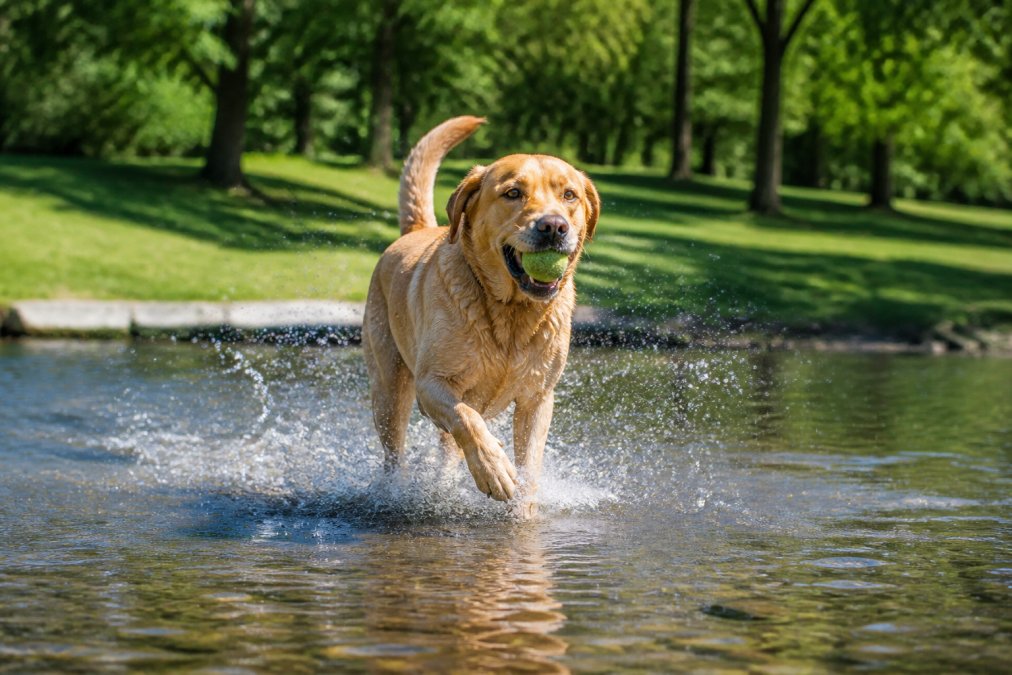
Breed type should determine both exercise duration and feeding portions. A Bulldog eating like a Labrador will gain weight rapidly. If you have a high-energy breed but can only manage 30 minutes of exercise daily, compensate with reduced portions and mental stimulation activities. If you have a low-energy breed, don't overfeed thinking they need more calories.
Practical Daily Strategies to Prevent Canine Obesity Easily
Understanding the theory is one thing. Actually implementing changes daily is where most owners struggle. The strategies that work are the ones you'll actually stick to.
Slow Feeding and Portion Control Tools
Slow feeders are underrated tools for weight management. A dog that eats quickly doesn't register fullness until it's already consumed too much. The Slow Feeder Dog Bowl from Doggo Shop is designed with ridges that force your dog to work around obstacles to access food, transforming a 5-minute meal into a 15-20 minute activity.

Essential portion control tools include:
- Use a marked measuring cup or kitchen scales, never eyeball portions
- Feed at scheduled times rather than free-feeding
- Use separate bowls for meals and treats
- Remove uneaten food after 15 minutes
These tools create structure that prevents the gradual portion creep leading to obesity.
Mental Stimulation and Interactive Play
Boredom is a major driver of overeating and weight gain. Dogs lacking mental stimulation often eat out of boredom rather than hunger. The Smart Duck Feeder from Doggo Shop is an interactive treat dispenser that forces your dog to work for food, providing mental engagement while slowing consumption.
The Snuffle Mat for Dogs encourages natural foraging behaviour, turning a simple treat into a 10-15 minute activity. Interactive play should be part of your daily routine regardless of exercise level, particularly for dogs spending time alone during the day.
Regular Veterinary Monitoring
Your vet is your most important partner in preventing canine obesity. Regular weigh-ins every 4-6 weeks provide objective data about whether your current approach is working. Your vet can assess body condition score, identify early signs of weight-related health issues, and adjust recommendations based on your dog's progress. Be honest about your dog's actual diet and activity level.
Common Mistakes That Lead to Weight Gain
Understanding what goes wrong helps you avoid these pitfalls:
Underestimating treat calories. Treats frequently account for 20-40% of a dog's daily caloric intake.
Feeding based on appetite rather than need. A dog's appetite is not a reliable guide to how much they should eat.
Ignoring activity level changes. Feeding portions don't adjust automatically when activity decreases.
Using food as the primary reward. This creates a cycle where your dog learns food solves emotional needs rather than physical hunger.
Not measuring portions. Free-feeding makes it impossible to know actual consumption.
Choosing the wrong food type. Some commercial foods are calorie-dense and not particularly filling.
Assuming your dog needs the label's recommended portion. Your dog might need 15-25% less depending on activity level and metabolism.
Preventing canine obesity comes down to three foundational practices: measuring portions precisely, matching activity level to caloric intake, and using the right tools to support your efforts. These require consistency and honest assessment of your dog's actual needs rather than assumptions based on appetite or breed stereotypes.
At Doggo Shop, tools like the Slow Feeder Dog Bowl and the Smart Duck Feeder are practical solutions that make weight management sustainable by fitting into your real daily routine. When feeding becomes structured and treats become interactive rather than mindless, weight management stops feeling like deprivation and starts feeling like good care.

The best time to prevent obesity is before it starts. A dog that maintains a healthy weight throughout its life avoids the joint stress, metabolic complications, and reduced mobility that come with excess weight. Start with a conversation with your vet about your dog's ideal weight and caloric needs, then build your daily routine around achieving that. Your dog will have more energy, better mobility, and a longer, healthier life.
Frequently Asked Questions
How can I tell if my dog is overweight according to UK vet standards?
Your vet will assess your dog's body condition score (BCS) on a scale of 1-9, with 4-5 being ideal. You should feel your dog's ribs easily without pressing hard, and see a visible waist when viewed from above. A body condition score above 6 indicates overweight status. Your vet can perform this assessment during routine check-ups to track your dog's metabolic health and prevent obesity-related diseases.
What are the best low calorie dog treats for preventing weight gain?
Raw vegetables like carrots, green beans, and courgettes are excellent low-calorie options that provide mental stimulation through chewing. Treats should make up no more than 10% of daily caloric intake. Interactive puzzle toys and snuffle mats allow you to dispense treats slowly, reducing overall consumption while keeping your dog mentally engaged. Doggo Shop's Snuffle Mat (£19.99) turns treat-giving into enrichment, helping prevent both obesity and boredom-related overeating.
How much exercise does my dog need to prevent weight gain?
Exercise needs vary by breed and age. Most adult dogs benefit from 30-60 minutes of daily physical activity, though some high-energy breeds require 90+ minutes. Daily exercise reduces sedentary lifestyle risks and supports healthy metabolic rate. Combine structured walks with interactive play and mental stimulation. Even 15-20 minute sessions spread throughout the day help maintain calorie deficit and joint health, particularly important for preventing chronic inflammation linked to obesity.
What's the quickest way for a dog to lose weight safely?
Safe weight loss requires a combination of caloric deficit and consistent exercise. Work with your vet to reduce daily calories by 10-20%, then monitor progress monthly through weigh-ins and body condition scoring. Expect gradual loss of 1-2% body weight per week. Using slow feeders and portion-control tools helps prevent overeating. Avoid sudden diet changes, which can cause digestive upset. Regular veterinary monitoring ensures your dog's weight loss plan supports overall wellness without compromising nutritional balance.
This article was written using GrandRanker


Leave a comment