


How to Keep Dogs Entertained While at Work
Table of Contents
- Why Mental Stimulation Matters When You're Away
- How Long Can a Dog Be Left Alone During the Working Day
- Interactive Toys and Puzzle Feeders for Daytime Enrichment
- Best Puzzle Toys for Dogs Left Alone
- Signs of Separation Anxiety in Dogs and Prevention Strategies
- Creating a Safe, Comfortable Rest Space
- Step-by-Step: Building Your Dog's Daytime Routine
- Budget-Friendly DIY Enrichment Ideas
Last Updated: August 13, 2026
Why Mental Stimulation Matters When You're Away
A dog left alone without enrichment becomes bored and frustrated, often resulting in destructive behaviour, excessive barking, or anxiety. Mental stimulation engages your dog's problem-solving abilities and keeps their brain occupied, reducing separation stress. Without engagement, dogs create their own entertainment, usually involving your sofa cushions, shoes, or furniture. The solution involves combining the right enrichment tools with a structured routine.
Mental stimulation doesn't require hours of your time. Fifteen minutes of focused activity before you leave can shift your dog's entire day. A puzzle toy that takes thirty minutes to solve keeps their brain engaged long after you've left for work.
How Long Can a Dog Be Left Alone During the Working Day
Most dogs can manage 4-6 hours alone comfortably, though this varies by age, temperament, and breed. Puppies under six months need breaks every 2-3 hours, whilst older dogs may struggle with longer stretches due to bathroom needs or anxiety.
The real limitation isn't time alone, it's time without engagement. A dog with enrichment can cope with longer stretches than a dog with nothing to do. Breed matters too, high-energy breeds like Border Collies and Australian Shepherds struggle more with inactivity than calmer breeds. If you have a high-energy dog, you may need to split your working day with a midday walk or hire someone to check in.
Interactive Toys and Puzzle Feeders for Daytime Enrichment
Interactive toys force your dog to think and solve problems to get rewards. Puzzle feeders are particularly effective because they combine feeding and mental stimulation, instead of eating from a bowl in thirty seconds, your dog spends fifteen minutes working through the puzzle. This slower consumption also aids digestion and prevents bloating.
The best interactive toys have adjustable difficulty levels. Start with easier puzzles and gradually increase complexity as your dog learns. The sweet spot is something your dog can solve with effort but not so difficult they give up.
Treat-Dispensing Toys and Snuffle Mats
Treat-dispensing toys are hollow toys you fill with treats or kibble. Your dog rolls, nudges, and manipulates the toy to release rewards. The slow release keeps them occupied for extended periods.
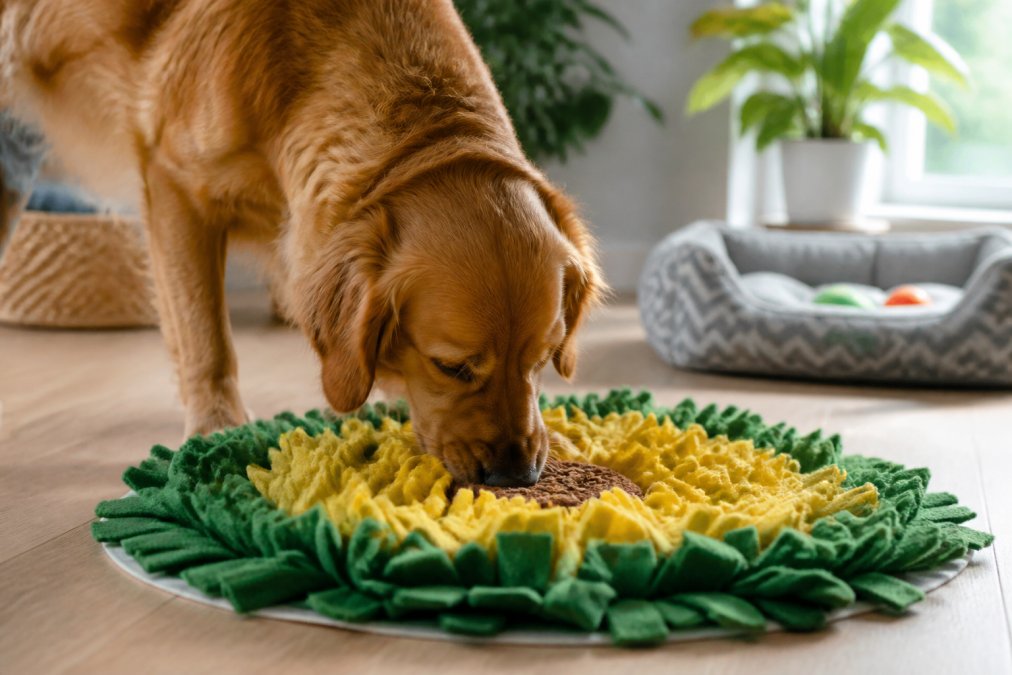
Snuffle mats mimic foraging in grass. You hide treats in fabric folds, and your dog uses their nose to search. This taps into natural dog behaviour in a rewarding way and works for dogs of any age or energy level.
The Snuffle Mat for Dogs - Interactive Sunflower Treat Puzzle from Doggo Shop (£19.99) combines both principles with deep pockets for hiding treats and textured fabric that encourages nose work. It's machine washable, making it practical for regular use.

Rotate your treat-dispensing toys every few days to maintain novelty and engagement.
Automatic Ball Launchers for Self-Play
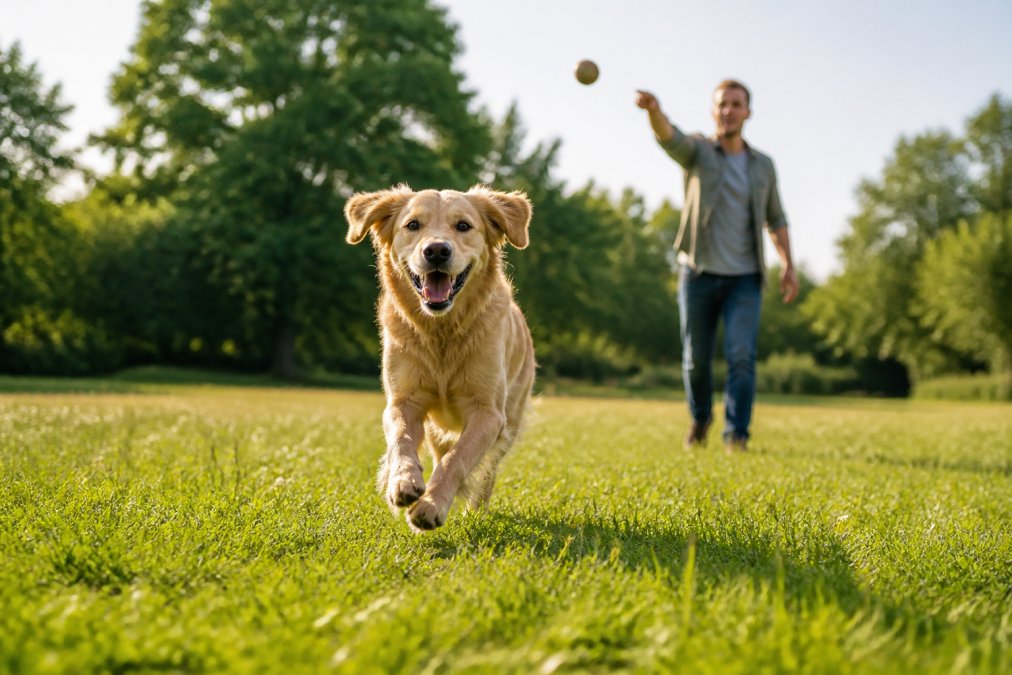
Automatic ball launchers solve the problem of dogs with endless energy for fetch but owners without endless time. The Automatic Ball Throwing Machine from Doggo Shop (£69.99) launches balls at adjustable distances of 3-8 metres. Your dog fetches, drops the ball in a hopper, and the machine launches another. A single session provides 30-45 minutes of vigorous exercise.
Not every dog understands how to use one initially. Start with short sessions where you manually launch a few balls to show the pattern. Most dogs catch on within a few sessions.
These machines work best for stable, confident dogs with high prey drive. A dog with separation anxiety won't benefit from a ball launcher, they need comfort more than exercise.
Best Puzzle Toys for Dogs Left Alone
The best puzzle toys combine durability, appropriate difficulty, and the ability to be filled with rewards. Look for toys made from thick rubber or reinforced plastic that withstand sustained chewing. Soft plush toys fall apart quickly, whilst thin plastic cracks under pressure.
Kong toys come in different sizes and can be filled with treats of varying difficulty, kibble for easy, peanut butter for medium, frozen treats for hard. This progression keeps your dog engaged as they learn.
The Thick Tire-inspired Durable Dog Chew Toy for Aggressive Chewers - Treat Dispenser from Doggo Shop (£19.99) is designed for dogs that destroy soft toys. The tyre-like texture gives dogs something to grip and chew without tearing. You can stuff it with treats or kibble, and the heavy-duty rubber construction handles vigorous chewing.

Rotate puzzle toys weekly to maintain novelty and keep each toy relatively fresh.
Signs of Separation Anxiety in Dogs and Prevention Strategies
Separation anxiety is different from simple boredom. A bored dog destroys things. An anxious dog panics, refusing to eat, pacing constantly, having accidents indoors despite being housetrained, or causing themselves physical harm trying to escape.
Common signs include excessive barking or howling when you leave, destructive behaviour focused on exits, toileting indoors despite being housetrained, excessive drooling or panting, or self-injury like paw chewing.
Prevention starts early. Gradually accustom your dog to being alone, starting with five minutes in another room whilst you're home, building to longer periods. Avoid making departures and arrivals dramatic, keep both moments calm and low-key to prevent anxiety around these transitions.
Create a safe space like a crate with comfortable bedding or a designated room. Many dogs feel calmer in a confined space they've learned to trust.
If your dog shows signs of separation anxiety, enrichment alone won't fix it. You may need to consult a veterinary behaviourist. Medication combined with gradual desensitisation and enrichment works better than any single approach.
Creating a Safe, Comfortable Rest Space
Your dog needs a consistent place where they feel secure, a crate with the door left open, a designated room, or a specific corner with their bed. Consistency teaches your dog what to expect.
Temperature and light matter. Ensure adequate ventilation and avoid direct sunlight all day. Background noise can help, some dogs relax with gentle music or white noise, whilst others find silence stressful. Experiment to see what calms your dog.
Make the space comfortable with a proper dog bed with cushioning. Add a blanket or item with your scent on it for comfort. Ensure your dog has access to water, leave a full bowl or consider an automatic water fountain.
Step-by-Step: Building Your Dog's Daytime Routine
A structured routine reduces anxiety because your dog knows what to expect. Predictability is calming.
Morning Exercise Before Work
Start your day with physical activity. A 20-30 minute walk or play session before work tires your dog physically. A tired dog is a calm dog. The type of exercise depends on your dog's age and fitness, a young, healthy dog benefits from a brisk walk or run, whilst an older dog needs gentler movement.
After exercise, your dog is naturally more inclined to rest and more likely to engage with puzzle toys rather than pace anxiously.
Introducing Enrichment Gradually
Don't overwhelm your dog with five different toys on day one. Introduce one new enrichment tool at a time, giving your dog a few days to understand how it works before adding another.
Start with toys that are easiest to understand. A snuffle mat is intuitive, most dogs immediately understand searching for hidden treats. Puzzle toys requiring specific manipulation might take longer. Build from simple to complex.
Show your dog how to use the toy if needed. For puzzle feeders, manually open a compartment to show where the treat is, then let your dog figure out how to do it themselves.
Monitoring Progress and Behaviour Changes
Watch for signs that enrichment is working. Your dog should be calmer when you leave, destructive behaviour should decrease, and they should be eating and sleeping normally.
If behaviour worsens, increased anxiety, destructive behaviour, or refusal to eat, something isn't working. The enrichment might be too difficult or your dog might need professional help for anxiety that enrichment alone can't address.
Keep notes on what works. Which toys hold your dog's attention longest? What triggers anxiety? These observations help you refine your approach.
Budget-Friendly DIY Enrichment Ideas
Professional enrichment toys are effective, but everyday household items can provide mental stimulation safely.
Muffin tin puzzle: Place tennis balls or crumpled paper in muffin tin cups, then hide treats underneath. Your dog removes the balls to find treats, providing 15-20 minutes of engagement.
Frozen water bottle: Fill a plastic water bottle with water and freeze it. Many dogs enjoy licking and manipulating a frozen bottle. Supervise to ensure your dog doesn't chew through the plastic.
Cardboard boxes: Stuff a cardboard box with crumpled paper and hide treats inside. Your dog tears through the paper to find treats.
Rope toys: An old rope knotted at both ends provides texture and something to chew. Ensure the rope is thick enough that your dog can't easily tear it apart.
PVC pipe: A length of PVC pipe with holes drilled in it can be filled with kibble. Your dog manipulates it to get kibble to fall out. Ensure holes are large enough that kibble falls out with reasonable effort.
Towel roll: Roll a towel tightly and hide treats inside the folds. Your dog unrolls the towel searching for treats.
Safety is essential with DIY enrichment. Avoid anything with small parts that could become choking hazards or sharp edges. Supervise your dog the first time they interact with a new DIY toy.
Keeping your dog entertained whilst you're at work requires combining physical exercise, mental stimulation, and a structured routine. Use multiple tools: morning exercise to tire your dog physically, enrichment activities to engage their mind, and a comfortable space where they feel secure. Start with one or two enrichment tools and build from there. Watch for signs that your strategy is working, a calmer, happier dog and reduced destructive behaviour indicate success. At Doggo Shop, we offer durable enrichment toys designed specifically for dogs left alone during the day, including puzzle feeders and treat-dispensing toys that keep your dog engaged for hours. Every purchase supports rescue dogs in need, so you're helping your own dog whilst supporting others. Explore our collection of interactive toys and start building your dog's daytime routine today.
Frequently Asked Questions
Can I leave my dog for 8 hours while at work?
Most adult dogs can manage 8 hours alone if properly prepared, but this depends on age, temperament, and training. Puppies and senior dogs need more frequent breaks. Dogs with separation anxiety or high energy levels may struggle. The key is gradual conditioning: start with shorter absences and build up over weeks. Provide mental stimulation through puzzle toys, treat-dispensing feeders, and a comfortable rest space to reduce stress and destructive behaviour during your absence.
What are the best puzzle toys for dogs left alone?
The best puzzle toys combine treat-dispensing with cognitive engagement. Look for toys that require your dog to work for rewards, such as snuffle mats where treats are hidden in fabric folds, or durable chew toys with treat cavities. Automatic ball launchers provide self-directed play for fetch-motivated dogs. Rotate toys weekly to maintain novelty and prevent boredom. Choose toys appropriate for your dog's chew strength and size to ensure safety during unsupervised play.
How can I tell if my dog is suffering from separation anxiety?
Signs of separation anxiety include destructive behaviour (chewing furniture, doors, or walls), excessive barking or howling when alone, pacing, and house soiling despite being housetrained. Some dogs show physical symptoms like drooling or panting. Anxiety typically occurs within 15-30 minutes of departure. If you notice these signs, start with shorter absences and gradually increase time away. Consult your vet to rule out medical issues. Calming aids, crate training, and positive reinforcement can help build confidence and reduce anxiety over time.
Should I hire a dog walker if I work full-time?
A dog walker can be beneficial, especially for high-energy dogs or those showing separation anxiety. A midday visit breaks the day into manageable chunks and provides physical exercise, mental stimulation, and social contact. However, it's not essential if you've established a solid enrichment routine with puzzle toys, treat-dispensing feeders, and a comfortable rest space. Consider your dog's individual needs: energetic breeds, young dogs, or those prone to anxiety benefit most from midday breaks. Combine professional support with at-home enrichment for best results.
This article was written using GrandRanker


Leave a comment