


Ethical Dog Toy Brands: 2026 Guide to Safe, Sustainable Choices
Table of Contents
- What Makes a Dog Toy Brand Ethical
- Eco-Friendly Dog Toys Non-Toxic: Materials That Matter
- Charity Dog Toy Brands Supporting Animal Rescue
- Durability and Longevity for Heavy Chewers
- Material Safety Certifications to Look For
- End-of-Life Disposal: Compostable and Biodegradable Options
- Choosing the Right Ethical Dog Toy for Your Dog's Size and Play Style
- Conclusion
Last Updated: August 17, 2026
What Makes a Dog Toy Brand Ethical
An ethical dog toy brand prioritizes animal welfare, environmental responsibility, and transparency in sourcing, manufacturing, and profit use. The most important markers are sustainable materials, non-toxic chemicals, fair wages, and support for animal rescue or conservation efforts. What separates truly ethical brands from greenwashing is accountability: they can tell you exactly where materials come from, what certifications they hold, and how they're reducing their carbon footprint.
At Doggo Shop, we understand that conscious pet owners want to feel good about their purchases for their dogs, the planet, and rescue animals in need. That's why we've built our entire operation around the principle that premium products and ethical practices aren't mutually exclusive. Every purchase supports rescue dogs and cats worldwide, and we're transparent about how that works.
Eco-Friendly Dog Toys Non-Toxic: Materials That Matter
When shopping for eco-friendly dog toys non-toxic options, materials are everything. Natural and recycled materials biodegrade safely and carry a much smaller environmental footprint than synthetic plastics.
Natural fibres and sustainable sourcing
Natural fibres like jute, organic cotton, and hemp rope are the backbone of genuinely sustainable dog toys. These materials are biodegradable, non-toxic, and often grown without pesticides or synthetic fertilisers. A toy made from natural jute rope will eventually break down in soil or compost without leaving toxic residue. The key is sustainable sourcing: look for certifications like GOTS (Global Organic Textile Standard) for cotton or FSC (Forest Stewardship Council) for wood-based materials.
Hemp rope is another excellent choice. It's incredibly durable, naturally antimicrobial, and grows quickly without heavy pesticide use. Many ethical brands combine hemp with organic cotton or natural rubber to create toys tough enough for moderate chewers but still fully biodegradable.

Recycled and ocean-bound materials
Recycled materials represent a second pillar of eco-friendly dog toys. Recycled rubber transforms materials that would otherwise end up in landfills into durable chew toys. Some brands specifically use ocean-bound plastic, collected from coastal areas before it enters the sea. A responsible brand will tell you where the recycled material comes from, how it was processed, and whether it's food-safe for dogs.
Chemical-free and non-toxic dyes
Even if a toy is made from natural materials, the dyes used can introduce toxins. Ethical brands use non-toxic, plant-based dyes or leave toys in their natural colours. Look for brands that explicitly state their dyes are "non-toxic," "plant-based," or "azo-free." If a brand can't explain its dyeing process, move on.
Charity Dog Toy Brands Supporting Animal Rescue
Many ethical dog toy brands tie their business model directly to animal rescue. Some donate a fixed percentage of profits; others donate a set amount per order. The best brands partner with specific rescue organisations and let customers see the impact.
Doggo Shop exemplifies this model. We donate to support rescue dogs and cats in need worldwide with every order. When evaluating a charity dog toy brand, ask: Does the brand publish donation figures? Can you verify donations reach rescue organisations? Does the brand partner with specific rescues you can research independently? Vague claims without specifics should raise suspicion.
Durability and Longevity for Heavy Chewers
A toy that falls apart after a week isn't sustainable; it just means more waste and replacement costs. True durability is an ethical issue. The longest-lasting toys, made from strong natural fibres and reinforced stitching, are ultimately kinder to the environment.
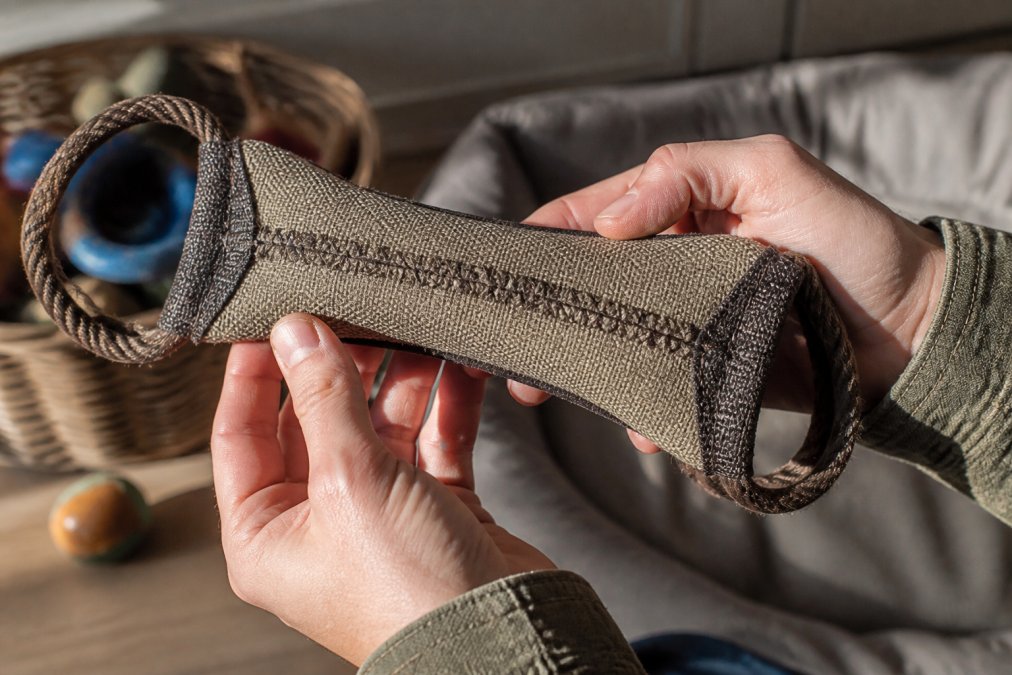
Heavy chewers need toys built to withstand serious punishment. Natural rubber, reinforced jute, and high-quality hemp rope hold up best. Look for toys with double-stitched seams, reinforced edges, and densely woven fibres. Some ethical brands use a "chew rating" system that tells you which toys suit light, moderate, or heavy chewers. The most durable options combine multiple materials: a rubber core wrapped in hemp rope gives both longevity and biodegradability.
Material Safety Certifications to Look For
Not all certifications are equal, but these verified by independent third parties signal genuine safety standards:
GOTS (Global Organic Textile Standard) certifies materials are grown without synthetic pesticides or GMOs.
FSC (Forest Stewardship Council) verifies wood or plant-based materials come from responsibly managed forests.
CE Marking (for European products) means the toy has been tested and meets safety standards for pet products.
REACH Compliance restricts hazardous substances. Toys marked as REACH-compliant have been tested for heavy metals, phthalates, and other harmful chemicals.
ISO 9001 indicates quality management standards.
Third-party lab testing for heavy metals, phthalates, and contaminants is the gold standard. Some ethical brands publish actual lab reports on their websites. Be sceptical of vague claims like "tested for safety" without naming the lab or providing results.
End-of-Life Disposal: Compostable and Biodegradable Options
An ethical toy's story doesn't end when your dog destroys it. True ethical brands design products with end-of-life in mind.
Compostable toys break down in home or commercial compost within 6-12 months, leaving no toxic residue. These are made from bamboo fibre, organic cotton, or plant-based plastics. Check whether your local council accepts pet waste in composting programmes.
Biodegradable toys break down naturally in soil or water over time without requiring specific conditions. A jute rope toy might fully decompose in 2-3 years.
Ocean-bound plastic toys are designed for recycling at end-of-life. Some ethical brands have take-back programmes where you can return worn toys for recycling, closing the loop so material becomes a new toy rather than entering the waste stream.
Check what your local waste management system accepts. A truly ethical brand will tell you exactly how to dispose of its toys responsibly.
Choosing the Right Ethical Dog Toy for Your Dog's Size and Play Style
Size and play style are non-negotiable factors. A toy perfect for a small terrier might be a choking hazard for a large breed.
Small dogs and light chewers (under 10 kg) can safely use smaller toys made from delicate natural fibres like organic cotton or soft jute. Puzzle toys made from natural rubber or bamboo fibre work well for mental stimulation.
Medium dogs and moderate chewers (10-25 kg) need toys balancing durability with safety. Rope toys with reinforced knots, rubber balls filled with natural fibres, and plush toys with double stitching are ideal. Check toys regularly for wear.
Large dogs and heavy chewers (over 25 kg) require industrial-strength toys made from reinforced natural rubber, densely woven hemp rope, or composite materials. Many ethical brands specifically label toys with "heavy chewer" ratings.
Play style matters as much as size. Fetch toys need durability for repeated impact. Tug toys need reinforced seams. Chew toys need materials that won't splinter. Interactive toys provide mental stimulation without plastic guilt.
Choosing an ethical dog toy brand means prioritising your dog's safety, the planet's health, and animal welfare equally. Look for certifications, ask questions about sourcing, and contact brands directly if practices aren't clear. Your dog deserves a toy that's safe, durable, and made with integrity.
At Doggo Shop, we've built our entire operation around this principle. Every toy we stock is chosen for safety and sustainability. We donate to rescue dogs and cats in need worldwide with every purchase, and we're transparent about every aspect of our supply chain. When you shop with us, you're investing in premium products that actually make a difference. Learn more about our commitment to rescue animals and explore our full range of ethically sourced dog products designed for dogs of every size and play style.
Frequently Asked Questions
What makes a dog toy brand ethical?
An ethical dog toy brand prioritises sustainable materials, transparent manufacturing practices, animal welfare, and social responsibility. Look for brands using natural fibres, recycled materials, and non-toxic dyes. Many ethical brands also donate profits or support animal rescue charities. Check for certifications confirming safety standards and environmental commitments. Transparency about sourcing and manufacturing locations is a strong indicator of ethical practice.
Are eco-friendly dog toys non-toxic and safe for puppies?
Yes, most eco-friendly dog toys made from natural materials like organic cotton, jute, and hemp are non-toxic and safe for puppies. These toys avoid harmful chemicals and synthetic dyes that can irritate sensitive mouths. Always verify material certifications and choose toys designed for your puppy's age and teething stage. Avoid toys with small parts that could be choking hazards, and supervise play with new toys.
Which charity dog toy brands donate to animal rescue?
Several ethical brands donate a portion of profits to animal rescue organisations. Doggo Shop, for example, donates profits from every order to support rescue dogs and cats in need worldwide. When shopping, look for brands that clearly state their charitable partnerships and provide proof of donations. Many sustainable toy makers partner with rescue charities, so ask retailers about their giving programmes before purchasing.
How can I tell if a dog toy will survive a heavy chewer?
Heavy-duty dog toys should feature reinforced stitching, thick durable construction, and materials tested for strength. Look for toys made from natural fibres like hemp rope or high-quality recycled rubber that resist tearing. Read customer reviews specifically mentioning heavy chewers, and choose toys designed for power chewing. Toys with multiple layers or braided construction typically last longer. Rotate toys regularly to prevent wear and inspect them frequently for damage.
What certifications should I look for in ethical dog toys?
Look for certifications confirming safety and sustainability: CE marking for European safety standards, REACH compliance for chemical safety, and environmental certifications like FSC for sustainable wood or organic certifications for cotton. Some brands display testing results proving toys are non-toxic and free from harmful substances. Ask manufacturers for documentation of their safety testing and material sourcing practices before purchasing.
This article was written using GrandRanker


Leave a comment