


Best Hiking Gear for Dogs: Essential Kit Guide
Table of Contents
- Essential Hiking Gear for Dogs: What You Need to Know
- Dog Harnesses vs. Collars for Hiking
- Hydration and Feeding Gear on the Trail
- Are Dog Hiking Boots Worth It for Rocky Terrain
- Dog Hiking First Aid Kit Essentials
- How to Train a Dog for Hiking
- Safety Visibility and Emergency Gear
- Conclusion
Last Updated: August 23, 2026
Essential Hiking Gear for Dogs: What You Need to Know
Preparing your dog for a hiking adventure requires more than enthusiasm. The right hiking gear makes the difference between a memorable outing and a frustrating experience for both you and your pup. Whether tackling rocky mountain trails or woodland paths, your dog needs proper protection, hydration, and support to stay safe and comfortable.
At Doggo Shop, we understand that outdoor enthusiasts need reliable, durable gear they can trust. Hiking with dogs demands equipment that withstands rough terrain, unpredictable weather, and natural wear. The essentials fall into several categories: harnesses and leashes for control, footwear and paw protection for rocky surfaces, hydration systems for water access, first aid supplies for emergencies, and visibility gear for safety.
Many dog owners underestimate how demanding trails are on their pets. A dog's paws aren't naturally armoured against sharp rocks, hot pavement, or ice. Their joints need proper support on uneven ground. They can overheat quickly when exerting themselves in the sun. Without the right gear, even experienced outdoor pets can suffer injury, dehydration, or exhaustion.
This guide covers everything you need to choose appropriate gear for your dog's size, breed, fitness level, and terrain. We'll examine harnesses versus collars, evaluate whether hiking boots are worth the investment, explore hydration solutions, and break down first aid essentials.
Dog Harnesses vs. Collars for Hiking
A harness is almost always the better choice for hiking.
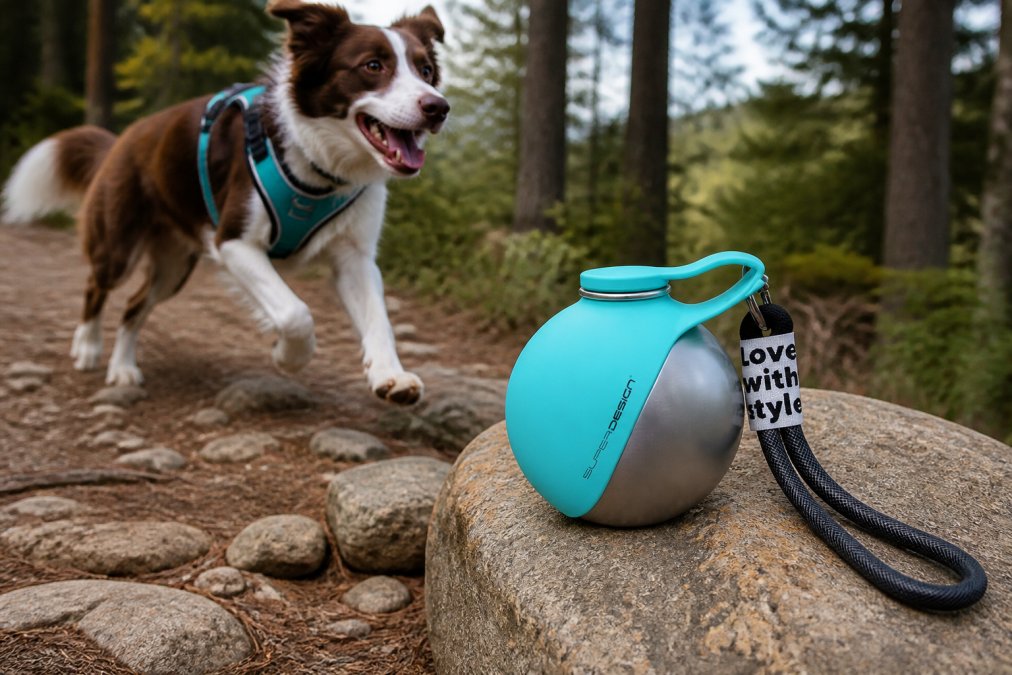
Harnesses distribute pressure across the chest and shoulders rather than concentrating it on the neck. This matters significantly on trails where your dog might pull, stumble, or need steadying on steep sections. A collar puts strain directly on the trachea and neck vertebrae, acceptable for casual walks on flat ground, but risky on uneven terrain.
The No Pull Reflective Dog Harness from Doggo Shop (£19.99) exemplifies what works well for hiking. Its breathable polyester construction prevents overheating during exertion, while reflective detailing keeps your dog visible during dawn or dusk. The adjustable straps ensure a secure fit, and the design reduces pulling without restricting movement.

Collars do have one advantage: simplicity. But once you're on technical terrain, the harness becomes essential. It gives you multiple attachment points for a leash, better control on steep descents, and the ability to help your dog up or down difficult sections.
Consider breed-specific needs. Larger dogs with powerful builds benefit more from harnesses because they can pull with significant force. Brachycephalic breeds (flat-faced dogs like bulldogs) absolutely require harnesses because collars further restrict their already-compromised breathing.
The Hands-Free Dog Leash with Belt, Pocket & Bottle Holder (£24.99) from Doggo Shop pairs well with a harness, letting you maintain control while keeping your hands free for balance on technical sections. The shock-absorbing bungee design reduces strain from pulling.
Hydration and Feeding Gear on the Trail
Your dog loses water and electrolytes faster than you do during exercise, especially in warm weather (aaha.org). Dehydration in dogs can develop quickly and dangerously, so reliable hydration gear is non-negotiable.
Collapsible bowls solve the practical problem of carrying water without extra weight. The Foldable Dog & Cat Bowl from Doggo Shop (£14.99) is made from food-grade silicone, folds flat for packing, and includes a carabiner for attaching to your backpack.
For longer hikes, the 2-in-1 Pet Water Bottle from Doggo Shop (£24.99) is made from stainless steel and includes a silicone cup that converts from the bottle cap. It keeps water cool during hot weather and withstands drops on trails.
The 3-in-1 Portable Pet Water Bottle with Bowl & Waste Bag (£21.99) combines hydration, feeding, and waste management in one compact tool. Available in 300ml or 500ml sizes, it's practical for multi-hour hikes.
Offer water every 20-30 minutes on warm days, and every 45 minutes on cooler days. Don't wait for your dog to show obvious signs of thirst. Many hikers avoid feeding on the trail entirely, opting for a light snack instead.
Are Dog Hiking Boots Worth It for Rocky Terrain
Whether dog hiking boots are worth the investment depends on your terrain and your dog's paw sensitivity. On rocky, sharp, or extremely hot ground, they're essential. On softer trails, they're optional but still protective.
Rocky terrain presents the strongest case for boots. Sharp stones cut paw pads, and a cut pad can end a hike immediately. Boots also provide traction on loose scree or wet rock, reducing slip risks. Dogs wearing boots navigate steep sections with more confidence.
Paw wax offers a lighter-weight alternative for short hikes on moderately rocky ground. However, it washes off quickly and needs reapplication, making it impractical for full-day hikes.
The Waterproof Non-Slip Shoes for Big Dogs from Doggo Shop (£24.99) feature a non-slip rubber sole for traction on wet or loose terrain, waterproof cloth material to keep paws dry, and double Velcro closures for a secure fit. The luminous design improves visibility at night.

The main drawback of boots is that many dogs need time to adjust. Start with short walks in your garden to let your dog become accustomed to the sensation. Most dogs adapt within a few outings.
Consider your dog's breed and paw sensitivity. Dogs with thin paw pads benefit more from boots than thick-padded breeds. Older dogs with arthritic joints also appreciate the extra support and traction.
Weather matters too. Snowy or icy trails absolutely warrant boots for safety and comfort. Winter salt on paths can also irritate paws.
Dog Hiking First Aid Kit Essentials
A proper first aid kit for trails prevents minor injuries from becoming serious problems. You're often miles from help, so carrying essentials is critical.
Start with wound care: antiseptic wipes, sterile gauze pads, and antibiotic ointment. If your dog cuts a paw pad on a rock, clean the wound immediately to prevent infection. Carry tweezers to remove thorns, splinters, or porcupine quills.
Blister prevention is crucial. Bring paw balm or protective tape for pads showing early signs of irritation. Catching a blister before it ruptures saves your dog pain and prevents infection.
Include pain relief medication approved by your vet. Always consult your veterinarian about dosage before heading out.
Antihistamines help if your dog has an allergic reaction to an insect sting or plant contact. Consult your vet about appropriate doses beforehand.
Bring a small amount of your dog's regular food and water beyond what you plan to use. If you're stranded longer than expected, these reserves keep your dog calm and sustained.
Include a lightweight leash or rope for emergency situations. A dog-specific thermometer lets you check for fever if your dog seems unwell. Normal canine body temperature is 38-39°C; anything above 39.5°C suggests illness (aaha.org).
Tweezers, nail clippers, and a small knife are useful for removing debris, trimming broken nails, or cutting tape.
Consider your specific trail risks. Hiking in areas with ticks warrants tick removal tools. Hiking near water means ensuring your dog's vaccinations are current.
How to Train a Dog for Hiking
Most dogs can hike, but they need conditioning and training to do it safely and enjoyably. Starting unprepared is the fastest way to injure your dog or create a negative experience.
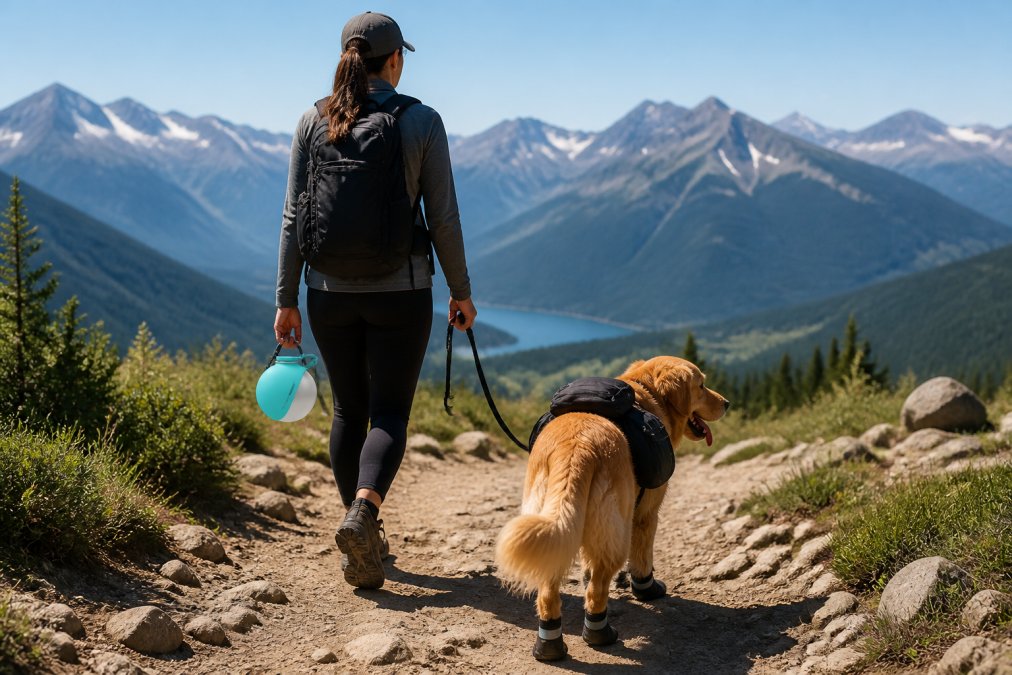
Begin with short, flat walks to build baseline fitness. A dog that struggles on a 20-minute flat walk isn't ready for a 10km mountain trail. Gradually increase walk duration and difficulty over 4-6 weeks.
Leash training is foundational. Your dog must walk calmly on a loose leash without pulling. On trails, pulling is dangerous and can cause your dog to stumble.
Introduce terrain gradually. Start with gentle woodland paths with minimal elevation change. Progress to hillier terrain once your dog handles flat trails confidently.
Practice recall training extensively. On trails, your dog might spot wildlife, other dogs, or interesting scents. A reliable recall command keeps your dog safe.
Teach your dog to accept gear. Let them wear their harness and backpack on short walks before hitting trails. Some dogs carry their own supplies in a lightweight pack, reducing your load.
Condition your dog to different surfaces and weather. Muddy trails, stream crossings, and rain feel different to dogs accustomed to pavement.
Test your dog's comfort with elevation and exposure. Some dogs struggle with steep drops or heights. Observe how your dog reacts on a short, safe hill.
Build heat tolerance if you hike in warm weather. Dogs overheat more easily than humans. Gradually increase exposure to warm conditions on walks and provide frequent water breaks.
Age matters. Puppies shouldn't hike long distances until their growth plates close (typically 12-18 months, depending on breed) (aaha.org). Senior dogs can still hike, but they may need shorter distances and more frequent breaks.
Safety Visibility and Emergency Gear
Visibility gear keeps your dog safe during low-light conditions and makes them easier to locate if they wander off.
The AirTag Dog Collar from Doggo Shop (£24.99) combines safety and technology. The built-in AirTag holder works with Apple's Find My system, letting you track your dog's location in real-time. The LED lights keep your dog visible at night, and the adjustable nylon collar fits dogs of various sizes.

The Light Up Dog Collar (£19.99) offers seven colours and 11 lighting modes, including fast flash, slow flash, and steady light. It's rechargeable via USB, runs for 7-8 hours per charge, and is slightly waterproof for rainy conditions.
The reflective elements on the No Pull Reflective Dog Harness work passively, reflecting light from torches or vehicle headlights. This is essential for any hiking.
Bring a whistle on trails where your dog might be off-leash or in areas with wildlife. A whistle carries further than your voice and cuts through wind or water noise.
Consider a lightweight emergency shelter or space blanket in your first aid kit. If you're stranded overnight, your dog needs protection from cold and wind.
Trail etiquette matters too. Keep your dog on-leash in areas with wildlife, other hikers, or sensitive ecosystems.
| Visibility Gear | Best For | Key Feature |
|---|---|---|
| AirTag Dog Collar | Tech-savvy hikers | GPS tracking + LED lights |
| Light Up Dog Collar | Night and low-light trails | 7 colours, 11 modes, rechargeable |
| Reflective Harness | All-terrain hiking | Passive visibility, built into harness |
| Whistle | Remote or wildlife areas | Long-distance communication |
Hiking with your dog creates lasting memories and strengthens your bond. The right gear makes these adventures safe and enjoyable for both of you. Start with the essentials: a quality harness, hydration system, paw protection, and first aid supplies, then add specialised gear based on your specific trails and climate.
At Doggo Shop, we've curated a complete range of hiking gear designed for dogs and their owners. Our products combine durability with thoughtful design, so you can focus on the trail rather than worrying about equipment failure. Every purchase supports rescue dogs in need worldwide, making your investment in quality gear an investment in animal welfare. Explore our full selection of hiking essentials and prepare your dog for adventure with confidence.
Frequently Asked Questions
What is the most important hiking gear for dogs?
A proper hiking harness is essential, it distributes weight evenly, prevents choking, and gives you control on steep or uneven terrain. Pair this with a reliable hydration system, protective boots for rocky ground, and a first aid kit. These four items form the foundation of safe hiking gear for dogs. The No Pull Reflective Dog Harness (£19.99) combines breathable comfort with reflective visibility, making it ideal for trail use.
Are dog hiking boots worth it for rocky terrain?
Yes, especially on sharp or hot surfaces. Rocky terrain exposes paw pads to cuts, bruises, and temperature extremes. Waterproof Non-Slip Shoes for Big Dogs (£24.99) offer durable traction and protection, reducing injury risk and improving grip on loose scree. However, introduce boots gradually during training walks so your dog adjusts to the feel before a long hike.
How do I keep my dog hydrated during a hike?
Bring a portable water system designed for trail use. The 3-in-1 Portable Pet Water Bottle with Bowl & Waste Bag (£21.99) combines water storage, a collapsible bowl, and waste bag disposal, all in one compact unit. The 2-in-1 Pet Water Bottle (£24.99) offers a stainless steel design that keeps water cool. Stop every 30-45 minutes on warm days to offer water and let your dog rest.
What should be in a dog hiking first aid kit?
Include antiseptic wipes, gauze pads, adhesive tape, tweezers for splinter removal, antibiotic ointment, pain relief suitable for dogs, and any medications your dog takes regularly. Add blister treatment for paw pads, a small blanket for shock, and contact details for emergency vets along your route. Pack the kit in a waterproof pouch attached to your belt or backpack for quick access.
How do I train my dog for hiking before hitting the trails?
Start with short, flat walks on varied terrain to build endurance and paw pad toughness. Introduce your dog to gear gradually, harness, boots, and backpack separately over several weeks. Practice recall commands and leash training in low-distraction environments first. Increase distance and elevation gradually over 4-6 weeks. Always reward calm behaviour on trails and stop if your dog shows signs of fatigue, limping, or overheating.
This article was written using GrandRanker


Leave a comment