


Are Lick Mats Good for Anxious Dogs?
Table of Contents
- What Is a Lick Mat and How Does It Work?
- Do Lick Mats Really Help Anxious Dogs?
- How to Use a Lick Mat for Separation Anxiety
- Safe Ingredients for Dog Lick Mats
- How Long Should a Dog Lick Mat Last?
- Best Lick Mat Options for Anxious Dogs
- Conclusion
What Is a Lick Mat and How Does It Work?
A lick mat is a textured silicone or rubber mat designed for dogs to lick treats and spreads off its surface. The grooved, bumpy texture slows consumption and encourages extended licking, turning mealtime into a prolonged sensory experience. Most feature non-slip bases and are dishwasher safe.
By spreading soft foods like peanut butter, yogurt, bone broth, or wet food across the textured surface, your dog must work to extract the treat. This engages their natural foraging instincts and keeps them mentally occupied far longer than a simple bowl. The repetitive licking motion itself becomes calming for many dogs, particularly those prone to anxiety.
At Doggo Shop, we understand that anxious dogs need enrichment tools providing genuine mental and emotional relief. Our Slow Feeder Dog Lick Bowl combines the lick mat concept with anti-choking design, making it ideal for dogs needing both stimulation and safety during feeding. The textured surface encourages slower licking, promoting better digestion while the non-slip base prevents sliding.

Do Lick Mats Really Help Anxious Dogs?
Yes, lick mats can be genuinely helpful for anxious dogs, though they work best as part of a broader approach to canine anxiety rather than as a standalone solution.
The Science of Licking and Endorphin Release
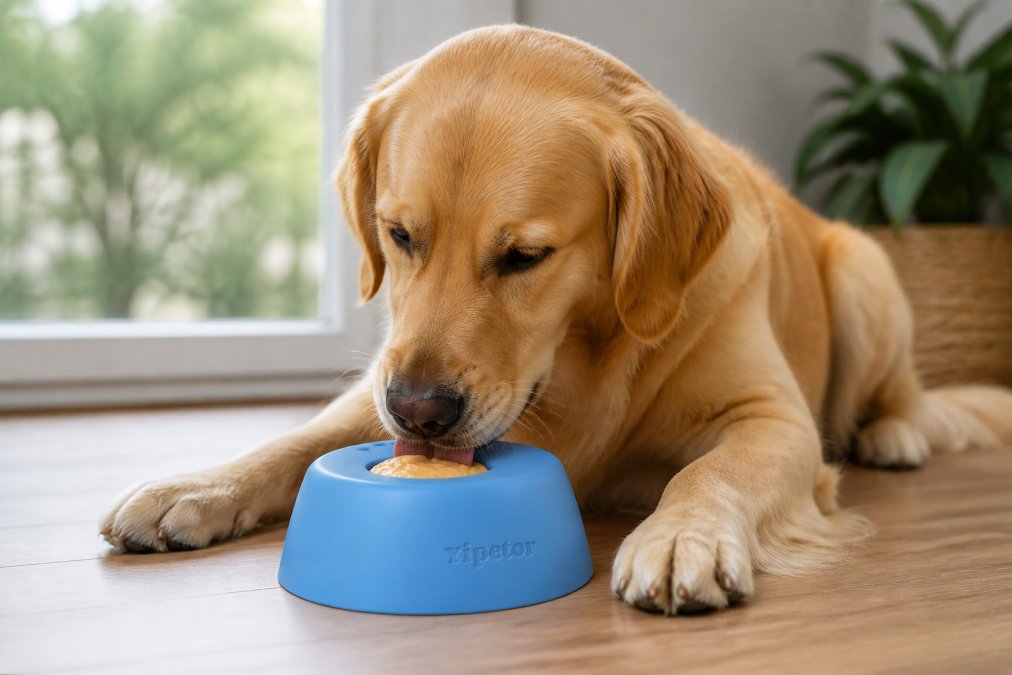
Repetitive licking triggers endorphin release in a dog's brain, producing a calming, meditative state. This is why anxious dogs naturally engage in licking behaviours; their bodies seek that soothing chemical response. By providing a lick mat, you channel this instinctive behaviour into a controlled, productive activity.
When a dog licks repeatedly, their parasympathetic nervous system activates, responsible for "rest and digest" functions. This counteracts the sympathetic "fight or flight" response that dominates during anxiety. Research from veterinary behaviourists consistently shows that self-soothing behaviours like licking reduce cortisol levels (the stress hormone) in dogs over time.
Mental Enrichment and Calming Effects
Lick mats provide mental enrichment that redirects anxious energy. An anxious dog with nothing to do is more likely to pace, whine, or engage in destructive behaviour. A lick mat gives their brain a job; figuring out how to extract the treat requires focus and problem-solving, occupying the prefrontal cortex and reducing rumination on anxiety triggers.
Mental enrichment through lick mats is particularly valuable for dogs left alone during the day. Many anxious dogs spiral when faced with empty time; a lick mat provides a positive focal point and can make alone time feel less threatening. The combination of mental stimulation and endorphin release creates a double benefit: your dog is both occupied and neurologically calmer.
How to Use a Lick Mat for Separation Anxiety
Separation anxiety is one of the most common reasons dog owners turn to lick mats. When used correctly, they can be genuinely transformative.
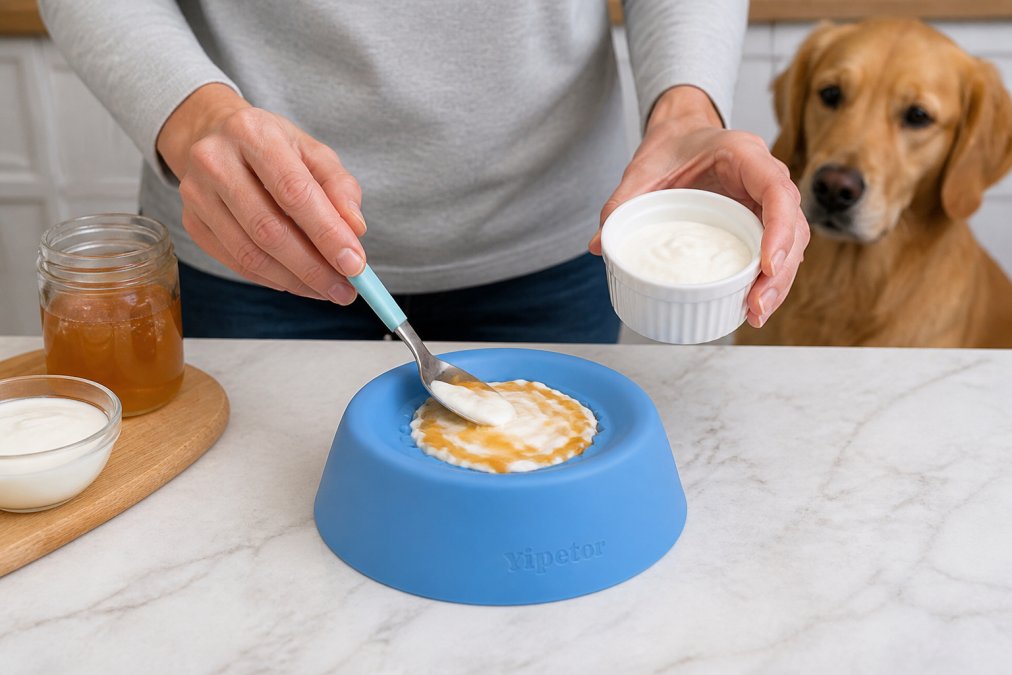
Start by introducing the lick mat during calm moments when you're home. Spread a small amount of spreadable treat on the mat and let your dog explore it freely. This builds positive reinforcement; your dog learns that the lick mat equals something good. Repeat this for several days before moving to the next step.
Once your dog is comfortable with the lick mat, begin using it during your departure routine. About 15-20 minutes before you leave, prepare the lick mat with a treat spread and present it calmly. Don't make a big fuss about leaving; simply provide the lick mat and go. The goal is for your dog to associate your departure with something pleasant.
Timing matters significantly. You want the lick mat to occupy your dog during the period when separation anxiety typically peaks, usually the first 20-30 minutes after you leave. Freezing the treat spread extends engagement time considerably.
Consistency is essential. Use the lick mat every time you leave, at least initially. This creates a reliable pattern your dog can depend on. Over weeks, many anxious dogs begin to anticipate the lick mat when they see you preparing to leave, and that anticipation itself becomes a positive cue.
Pair the lick mat strategy with other anxiety-reduction techniques for best results. The Noise Reduction Dog Hoodie from Doggo Shop can help if thunderstorms or external noise trigger your dog's separation anxiety. Combining multiple calming tools creates a more comprehensive approach.

Safe Ingredients for Dog Lick Mats
What you spread on the lick mat matters as much as the mat itself. The best lick mat spreads are genuinely safe, nutritionally appropriate, and engaging enough to hold your dog's interest.
Peanut butter is the classic choice, but ensure it's xylitol-free. Many commercial peanut butters now contain xylitol, a sugar substitute that's extremely toxic to dogs even in small quantities. Check the ingredient label carefully, or opt for natural peanut butter with no added sweeteners.
Yogurt (plain, unsweetened) is an excellent option, particularly for dogs with sensitive digestion. The probiotics support gut health, and the mild flavour keeps dogs interested. Freeze yogurt on the lick mat for extended engagement.
Bone broth is increasingly popular among dog owners. Homemade bone broth (with no onion or garlic) is nutrient-dense and beneficial for joint health and digestion. Many dogs find the savoury flavour more satisfying than sweet spreads.
Wet dog food or canned pumpkin (plain, not pie filling) work well for dogs with dietary restrictions. Both are safe, digestible, and can be spread thinly across the mat.
Avoid chocolate, grapes, raisins, avocado, and anything sweetened with xylitol. Skip honey for puppies under one year and avoid foods high in fat if your dog is prone to pancreatitis. When in doubt, consult your vet.
How Long Should a Dog Lick Mat Last?
A well-made silicone or rubber lick mat should last 12-24 months with regular use, provided your dog isn't aggressively chewing the mat itself.
Signs that a lick mat needs replacement include visible tears, chunks missing from the textured surface, or deteriorating non-slip base. Once the texture breaks down, the mat loses its ability to slow consumption and becomes less effective for anxiety management.
Quality matters significantly. Cheaper lick mats often degrade faster, particularly if you freeze treats on them regularly. Investing in a durable mat ensures consistent performance for your anxious dog.
Store your lick mat properly to extend its life. Hand wash rather than dishwasher when possible, as high heat can degrade silicone. Allow it to air dry completely before storing to prevent mould growth.
Best Lick Mat Options for Anxious Dogs
When selecting a lick mat specifically for anxiety management, prioritise durability, texture quality, and ease of cleaning.
The Slow Feeder Dog Lick Bowl from Doggo Shop is purpose-built for anxious dogs and fast eaters. At £19.99, it combines lick mat functionality with anti-choking design. The textured surface encourages slower licking, extending engagement time. The non-slip base prevents sliding during use, and the bowl design contains spreads effectively without mess.
For dogs needing extended mental enrichment, the Snuffle Mat for Dogs from Doggo Shop offers a different approach. At £19.99, this interactive puzzle mat encourages foraging behaviour by hiding treats between fabric petals. Dogs must use their nose and problem-solving skills to locate treats, providing deeper mental engagement than simple licking.

For dogs with severe separation anxiety, combine a lick mat with the Noise Reduction Dog Hoodie (£19.99). The hoodie reduces external noise triggers, particularly useful if thunderstorms or traffic noise exacerbate your dog's anxiety. Pairing sensory relief with endorphin release creates a more comprehensive calming strategy.
The Interactive Robot Treat Toy (£19.99) provides slow-feeding functionality combined with interactive play. Your dog must nudge and manipulate the toy to release treats, suiting anxious dogs needing active engagement alongside food-focused activity.
| Product | Price | Best For | Key Feature |
|---|---|---|---|
| Slow Feeder Dog Lick Bowl | £19.99 | Daily feeding + anxiety relief | Textured surface, anti-choking design |
| Snuffle Mat for Dogs | £19.99 | Mental enrichment, foraging | Fabric petals hide treats |
| Noise Reduction Dog Hoodie | £19.99 | Noise-triggered anxiety | Reduces external sound stress |
| Interactive Robot Treat Toy | £19.99 | Active engagement + slow feeding | Wobble design, hands-free |
When selecting among these options, consider your dog's specific anxiety triggers. If your dog struggles during alone time, the Slow Feeder Dog Lick Bowl offers the most straightforward lick mat experience. If your dog needs deeper mental occupation, the Snuffle Mat provides more complex problem-solving. If noise is a primary trigger, combine a lick mat with the Noise Reduction Dog Hoodie.
Quality matters for anxious dogs because inconsistency can increase stress. A cheap lick mat that breaks after weeks teaches your dog that the calming tool isn't reliable. Investing in durable products from Doggo Shop ensures your anxiety-management strategy remains consistent and effective.
Lick mats genuinely help anxious dogs when used thoughtfully as part of a broader anxiety-management approach. The combination of endorphin release, mental enrichment, and self-soothing behaviour addresses anxiety at multiple levels. At Doggo Shop, we've designed our lick mat products and complementary tools specifically for anxious dogs. Start with quality products, maintain consistency in your routine, and observe your individual dog's response. Most anxious dogs show measurable improvement within 2-3 weeks of regular lick mat use, with continued benefits growing over months as the self-soothing behaviour becomes established.
Frequently Asked Questions
Do vets recommend lick mats for anxious dogs?
Veterinary behaviourists support lick mats as part of a broader anxiety management strategy. Licking triggers endorphin release, which creates a calming effect. However, lick mats work best alongside other interventions like training, exercise, and environmental changes. They are most effective for mild to moderate anxiety and as a distraction during predictable stressful events like thunderstorms or grooming. Always consult your vet to rule out underlying health issues before relying on enrichment tools alone.
What safe ingredients can I use on a dog lick mat?
Safe spreadable treats include plain peanut butter (xylitol-free), plain yogurt, bone broth, mashed pumpkin, and wet dog food. Avoid chocolate, grapes, raisins, onions, garlic, avocado, and anything containing xylitol. Always check product labels for toxic ingredients. Start with small amounts to monitor for digestive upset, especially if your dog has a sensitive stomach. Frozen treats on lick mats last longer and provide extended mental engagement.
How long should a dog lick mat last before replacement?
Quality lick mats typically last 6-12 months with regular use, depending on material durability and your dog's chewing intensity. Silicone and rubber mats are more durable than fabric alternatives. Inspect regularly for cracks, loose pieces, or wear that could pose choking hazards. Replace immediately if you notice deterioration. Proper cleaning and air-drying between uses extend lifespan significantly. Power chewers may need replacement sooner, so choose heavy-duty materials designed for aggressive chewers.
Are lick mats safe for aggressive chewers?
Standard fabric or thin silicone lick mats are not ideal for aggressive chewers due to choking risk. Look for thick, durable rubber or reinforced silicone mats designed for strong chewers. Supervise use closely and avoid leaving lick mats unattended with power chewers. Choose non-toxic, food-grade materials that won't splinter or tear easily. Consider puzzle feeders or slow-feeder bowls as safer alternatives for dogs that chew aggressively. Always inspect the mat before and after use for damage.
How often should you give a dog a lick mat?
For anxious dogs, lick mats can be used daily during predictable stress periods (e.g., before you leave for work, during thunderstorms). For general enrichment, 3-5 times weekly is sufficient. Duration typically ranges from 15-30 minutes depending on treat thickness and your dog's interest. Monitor caloric intake if using lick mats frequently, as treats add to daily calories. Rotate between different enrichment toys to maintain novelty and prevent boredom. Always supervise and remove the mat once your dog loses interest.
This article was written using GrandRanker


Leave a comment